
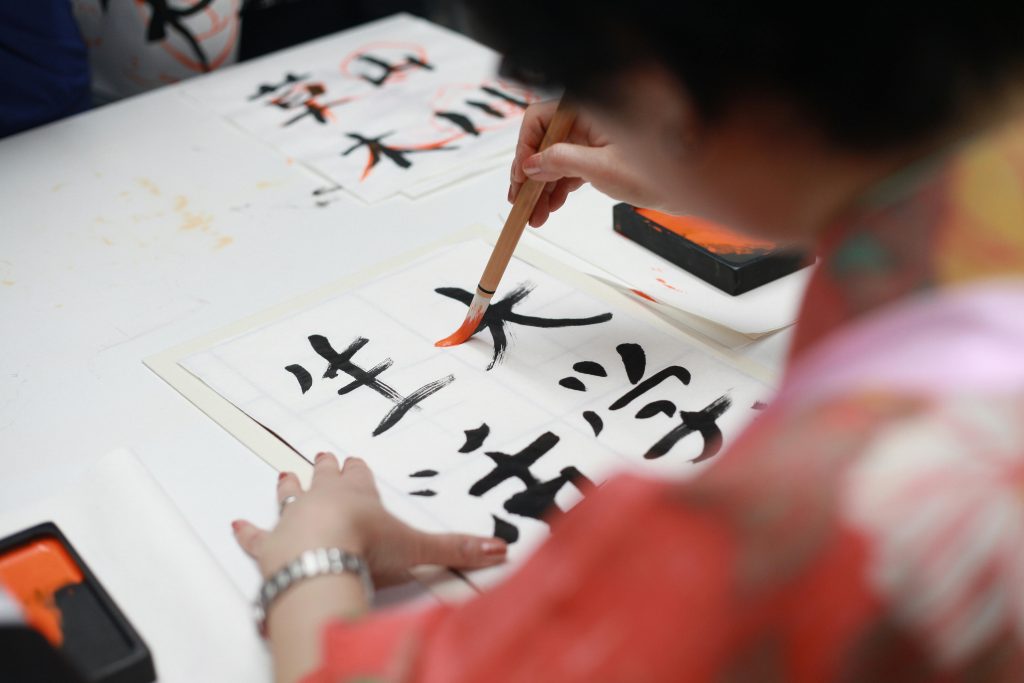
When learning Japanese, it’s easy to focus heavily on just one skill — like memorizing vocabulary or tackling grammar — but to truly master the language, developing all four core skills in a balance is essential. Reading, writing, listening, and speaking each play a unique role in your fluency and comprehension. In this post, we’ll explore why balancing these Japanese language skills matter and practical tips on how to integrate them effectively into your study routine.
Why Balance Matters
Japanese is a multifaceted language. For example:
- Reading builds vocabulary and grammar recognition.
- Writing reinforces memorization and deepens your understanding of sentence structure.
- Listening trains your ear to understand native pronunciation, rhythm, and speed.
- Speaking develops your ability to communicate clearly and confidently.
Neglecting any one of these can slow your progress or create gaps that make real-life communication difficult.
Step 1: Assess Your Current Strengths and Weaknesses
Before designing a balanced study plan, reflect on which skills you’re strong at and which need more work. Are you comfortable reading but struggle to speak? Is listening comprehension a challenge? This self-assessment will help prioritize your efforts.
Step 2: Integrate Skill-Specific Activities Daily
Incorporate a variety of targeted exercises for each skill into your routine:
Reading
- Use graded readers, manga, or news sites like NHK News Easy.
- Highlight new vocabulary and try reading aloud to practice pronunciation.
Writing
- Keep a daily journal in Japanese to practice sentence formation.
- Use language exchange apps to write messages and get feedback.
- Practice kanji stroke order with writing apps or workbooks.
Listening
- Listen to podcasts (e.g., JapanesePod101), watch Japanese TV shows or anime with subtitles.
- Shadow native speakers by repeating phrases aloud to improve rhythm and intonation.
Speaking
- Join language exchange meetups or use apps like HelloTalk or Tandem.
- Practice speaking aloud daily, even if alone, by narrating your day or repeating dialogues.
- Record yourself to track improvement and gain confidence.
Step 3: Create a Weekly Schedule Balance
Divide your study time so you consistently work on all four skills. For example:
| Day | Focus Areas |
|---|---|
| Monday | Reading + Writing |
| Tuesday | Listening + Speaking |
| Wednesday | Vocabulary review + Reading |
| Thursday | Writing + Listening |
| Friday | Speaking + Grammar review |
| Weekend | Fun practice: watch shows, chat, write blog posts |
Adjust based on your priorities and schedule — this can help your balance in the long run.
Step 4: Use Integrated Resources
Choose study tools that combine multiple skills, such as:
- Textbooks: Genki, Minna no Nihongo include exercises for all four skills.
- Apps: LingQ, Duolingo, and Bunpro provide mixed practice.
- Online courses: Many Japanese courses offer listening, reading, and speaking practice.
Step 5: Track Your Progress and Adjust
Periodically test yourself in each skill area:
- Take practice JLPT tests for reading and listening.
- Write essays or short paragraphs and get feedback.
- Record conversations or speeches to evaluate speaking fluency.
Use your results to tweak your study balance.
Final Thoughts for a Study Balance
Balancing reading, writing, listening, and speaking is the key to comprehensive Japanese fluency. While it takes deliberate effort, weaving all four into your study routine ensures you not only understand Japanese but can confidently use it in everyday life. With consistent practice and the right resources, you’ll find yourself growing stronger in every skill — and enjoying the journey all the more. Click here for more articles related to Japanese grammar.
Ganbatte kudasai!

