
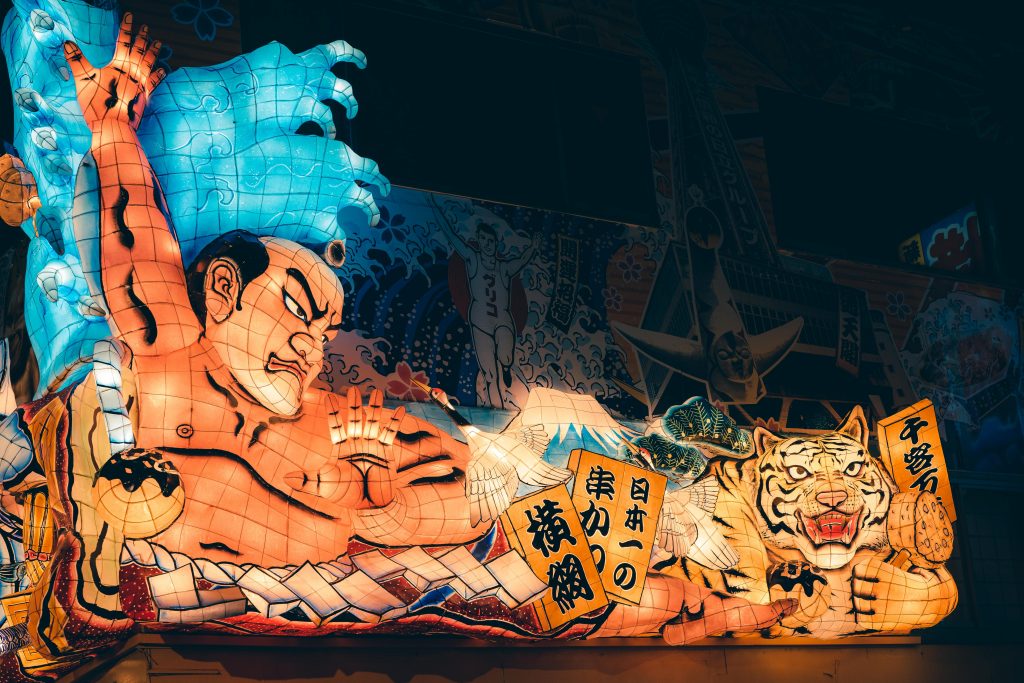
Japanese festivals—known as matsuri(祭り)—are one of the most exciting parts of Japanese culture. From summer fireworks and food stalls to traditional dances and shrine events, matsuri bring local communities together and offer an unforgettable cultural experience.
If you’re a beginner, you might wonder:
- What do people do at festivals?
- What should I wear?
- Are there useful Japanese phrases I should know?
- How do I participate politely?
This guide gives you everything you need to enjoy your first Japanese festival with confidence.
🎌 1. What Exactly Is a Matsuri?
A matsuri(祭り) is a traditional festival usually connected to a shrine or seasonal event.
You’ll find festivals for:
- Summer celebrations
- New Year
- Cherry blossoms
- Local shrines
- Fireworks
- Harvest season
- Snow and winter events
Festivals are for everyone—locals, families, tourists, and students—making them the perfect cultural activity for beginners.
🎆 2. What People Do at Japanese Festivals
Visit food stalls(屋台・やたい)
Try classic festival foods such as:
- たこ焼き(takoyaki)
- 焼きそば(yakisoba)
- かき氷(shaved ice)
- 唐揚げ(fried chicken)
- チョコバナナ(choco banana)
Watch fireworks(花火・はなび)
Summer fireworks festivals are one of Japan’s biggest traditions.
Join dances(盆踊り・ぼんおどり)
Many summer festivals have a public dance circle where anyone can participate, even if you don’t know how to dance.
Carry or watch mikoshi(神輿・みこし)
Portable shrines carried through the streets with energetic shouting – you can join in the fun by participating in a mikoshi troupe, or simply by watching the parade on the sidelines as well!
Play traditional festival games
- 金魚すくい(goldfish scoop)
- 射的(shateki shooting game)
- ヨーヨー釣り(水 balloon fishing)
👘 3. What to Wear to a Festival
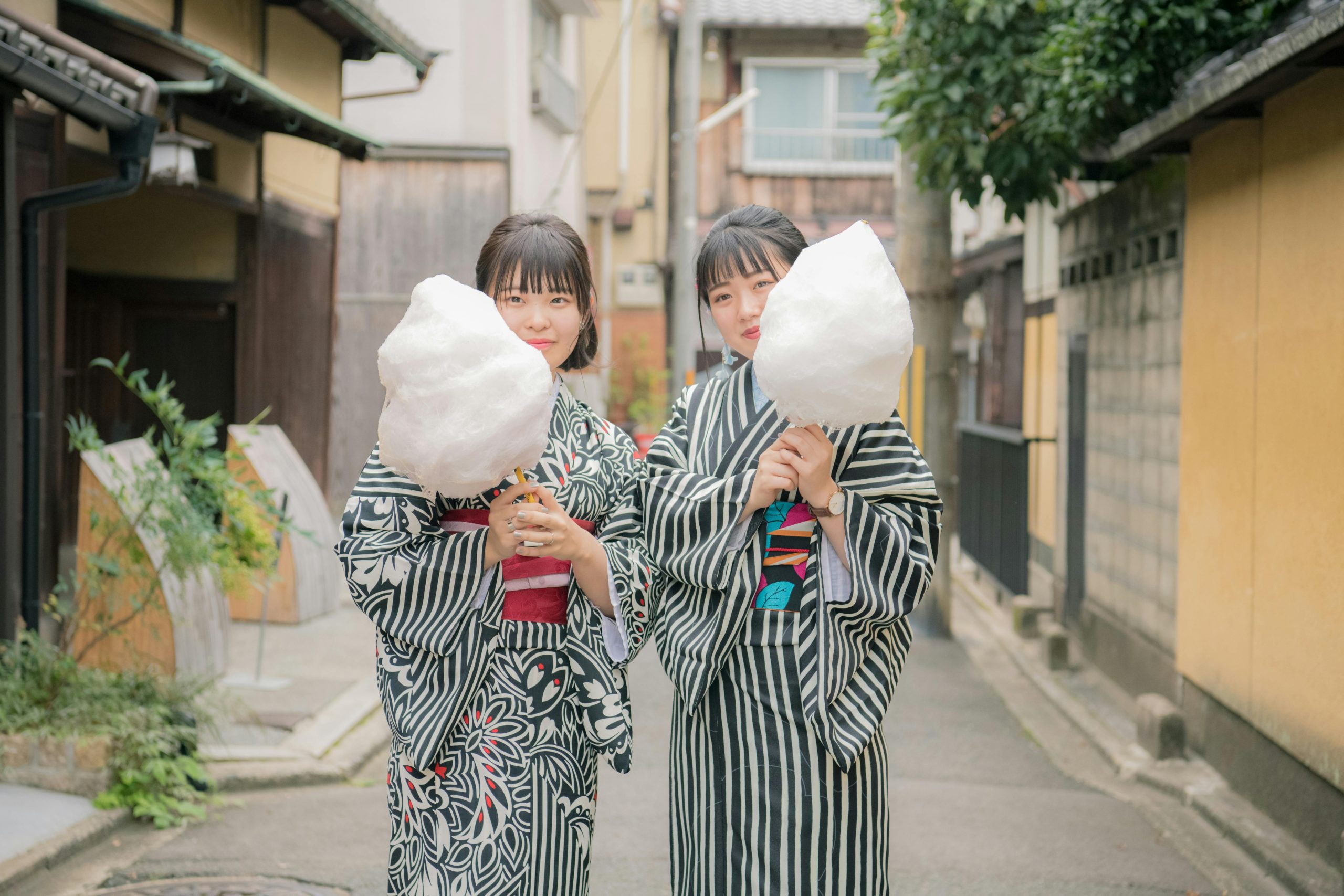
Yukata(浴衣) — the classic summer outfit
Light, comfortable cotton kimono worn in summer.
Tips:
- Women often wear colorful floral patterns
- Men usually wear darker colors
- Wear geta(wooden sandals)if possible
- You can rent a yukata in most festival areas if you don’t own one at home!
Jinbei(甚平)
Casual summer wear for men, women, and children.
Comfortable clothing
If you don’t want traditional wear, normal summer clothes are perfectly fine.
🗣️ 4. Must-Know Festival Phrases
これは何ですか?
What is this?
いくらですか?
How much is it?
おすすめはありますか?
Do you have any recommendations?
写真を撮ってもいいですか?
May I take a photo?
すみません、もう一つお願いします。
Excuse me, one more please.
ありがとうございます!
Thank you!
These simple phrases go a long way at stalls and events.
🙏 5. Festival Etiquette for Beginners
Follow staff instructions
Festival staff manage crowds for safety.
Don’t block pathways while taking photos
Step aside to avoid interrupting the flow.
Be respectful at shrine areas
If the festival is shrine-based:
- Bow once before passing the torii gate
- Do not stand in the center path (this path is reserved for the gods)
Keep trash with you
Garbage cans can be rare at festivals—Japan expects visitors to carry their trash. Keeping a small bag can be convenient for this purpose.
Avoid loud or disruptive behavior
Festivals are festive, not wild. Respectful enthusiasm is appreciated.
⭐ 6. Popular Festivals You Can Attend as a Beginner
- Gion Matsuri, which takes place in Kyoto in July
- Awa Odori, which takes place in Tokushima in August
- Nebuta Matsuri, which takes place in Aomori in August
- Kanda Matsuri, which takes place in Tokyo in May
- Sumida River Fireworks Festival, which takes place in Tokyo in July
- Sapporo Snow Festival, which takes place in Sapporo in February
You can enjoy them without any Japanese, but basic phrases make the experience richer.
🎯 Experience Japan Like a Local
Learning just a few phrases and understanding festival customs can turn a simple visit into a true cultural experience.
If you want to understand Japanese culture—and learn real phrases used at festivals—start with our 4 free beginner lessons.
👉 Start your free lessons now!
📌 More Links for Japanese Learners
- Common Japanese Etiquette Mistakes
- Essential Kanji for Daily Life
- How to Order Food in Japanese
- Keigo for Job Interviews

