

With so many Japanese textbooks available today, choosing the right one can feel overwhelming—especially for beginners who don’t yet know their learning style. The truth is: no single textbook is perfect for everyone. The best textbook for you depends on your level, your goals, and how you prefer to study.
This guide breaks down the most popular Japanese textbooks, explains who they are best for, and gives you simple steps to choose the right one for your level—beginner, intermediate, or self-study.
📘Know Your Level
⭐ Beginner (JLPT N5–N4)
You need:
- Basic grammar patterns
- Essential kanji (100–300)
- Daily conversation
- Structure + clear explanations
⭐ Upper Beginner / Lower Intermediate (N4–N3)
You need:
- More natural expressions
- Practice dialogues
- Reading materials
- Kanji expansion up to 600–800
⭐ Intermediate (N3–N2)
You need:
- Longer reading texts
- Natural-speed listening
- Polite/casual expression contrast
- More vocabulary for real life
⭐ Advanced (N2–N1 or Business)
You need:
- Specialized materials
- Formal writing
- Professional Japanese
- Keigo + workplace scenarios
Once you know your level, choosing becomes much easier.
📚 Best Japanese Textbooks by Level
🟦 Best for Absolute Beginners (N5)
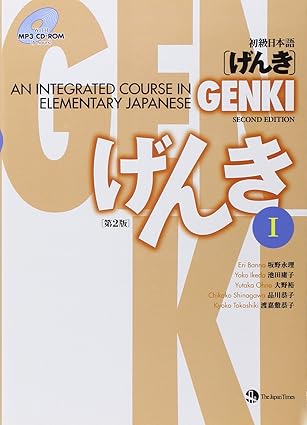
Genki I
- Globally popular
- Clear grammar explanations
- Great balance of speaking, writing, listening
Best for: classroom or self-study beginners.
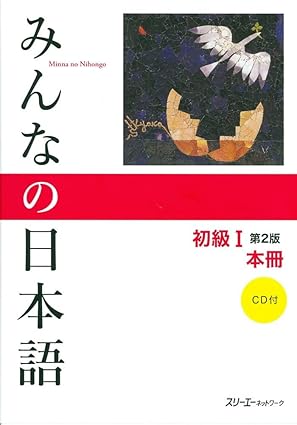
Minna no Nihongo I
- Very common in Japan
- All Japanese (beginner-friendly once immersed)
- Grammar book available in English
Best for: learners in Japan or structured lessons.
Japanese From Zero
- Very gentle pace
- Lots of practice
- Simple explanations
Best for: total beginners studying alone.

🟩 Best for Upper Beginners (N4)
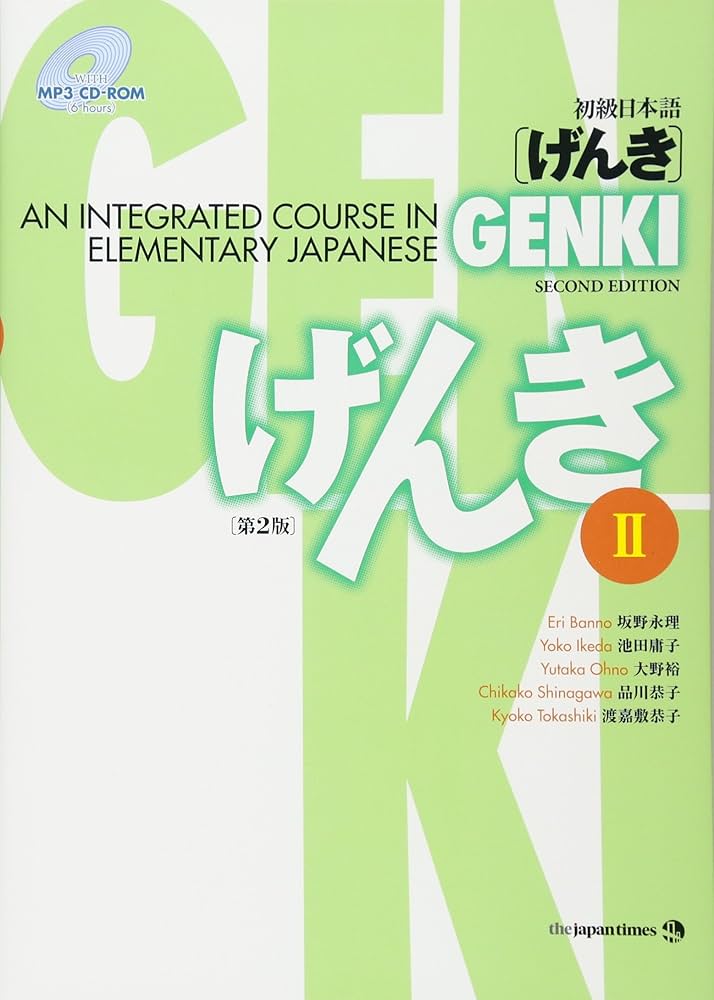
Genki II
- Continues the same structure
- Polite grammar and practical vocabulary
Best for: learners moving toward daily conversation.
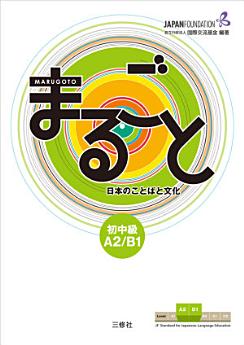
Marugoto A2/B1
- Focuses on communication first
- Good for speaking practice
Best for: those who don’t want heavy grammar.
🟨 Best for Lower Intermediate (N3)
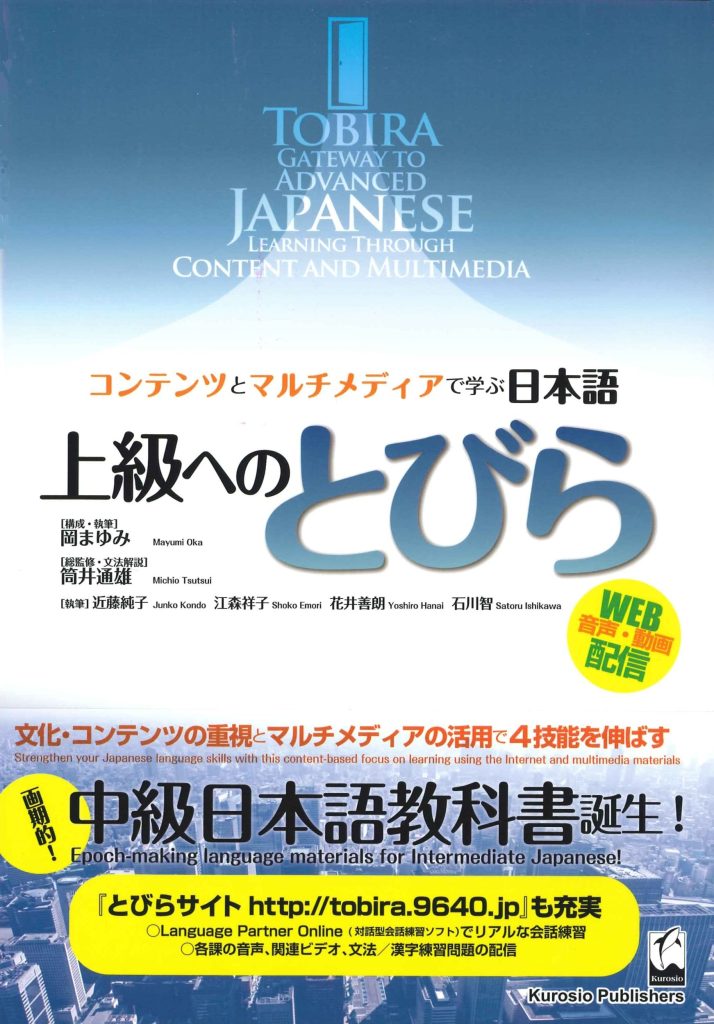
Tobira: Gateway to Advanced Japanese
- Improves reading + listening
- Covers culture, society, and real-life topics
Best for: bridging from beginner to intermediate.
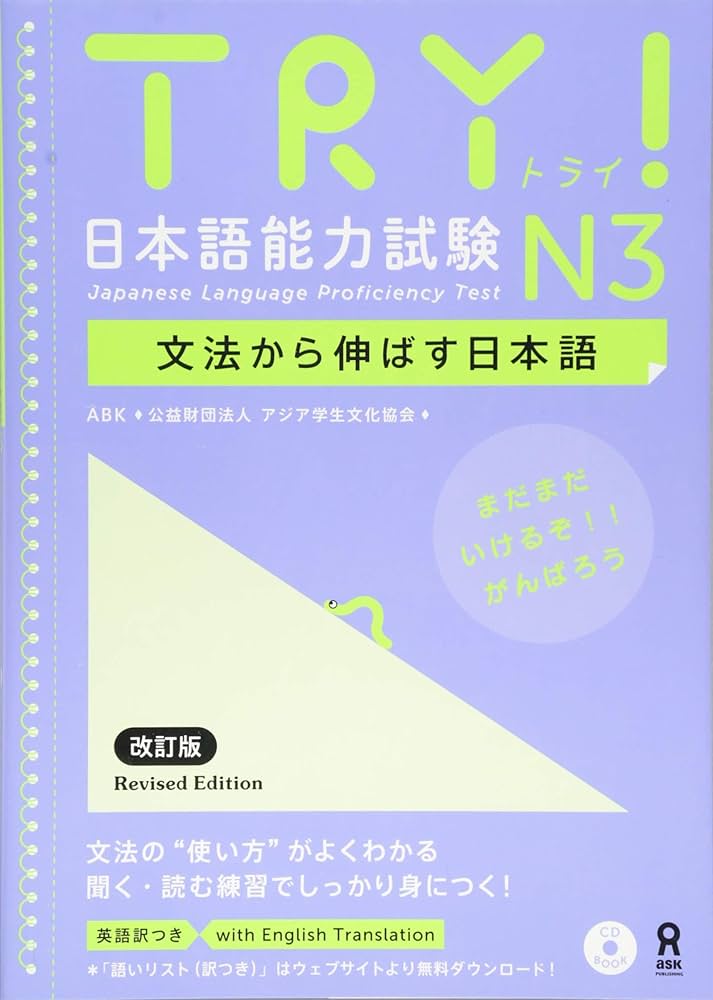
Try! N3 Grammar Book
- Real example sentences
- Easy to use alongside any textbook
Best for: building grammar confidence.
🟥 Best for Intermediate to Advanced (N2–N1)
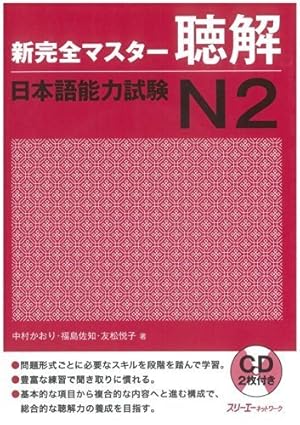
Shin Kanzen Master Series
- JLPT-focused
- Deep grammar, reading, listening drills
Best for: serious learners preparing for JLPT.
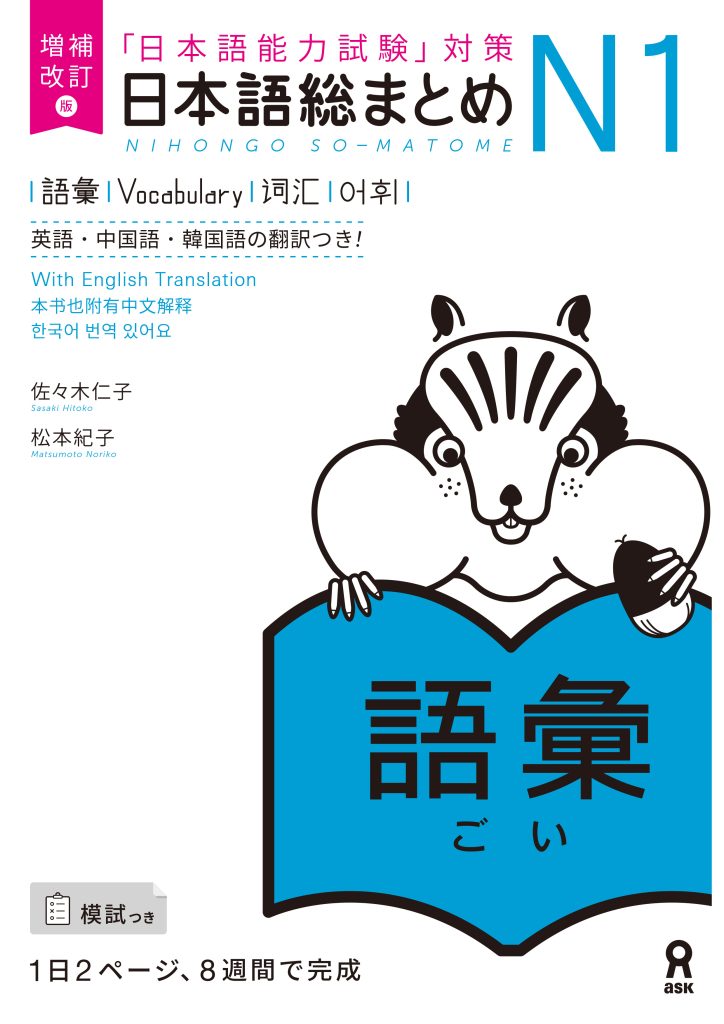
Nihongo Sou Matome
- Bite-sized daily lessons
- Covers all JLPT sections
Best for: learners with limited study time.
🧠 Questions to Ask Before Choosing a Textbook
✔ “Am I learning Japanese for travel, daily life, or work?”
Genki → daily life
Minna no Nihongo → living in Japan
Kanzen Master → work / JLPT
✔ “Do I prefer structured lessons or casual learning?”
Structured → Genki / Minna
Casual → Japanese From Zero / Marugoto
✔ “Do I need audio? Video? Online support?”
Genki + Tobira + Sou Matome have strong digital content.
✔ “Do I enjoy writing kanji?”
Genki → strong
Minna → balanced
Marugoto → lighter
✔ “How much time can I commit each week?”
Busy learners often prefer Sou Matome or Try! series.
📖 Example Study Paths for Each Level
Beginner Path (Self-Study)
- Hiragana + Katakana
- Genki I
- JLPT N5 vocabulary packs
- Genki II
Intermediate Path (Structured Lesson)
- Minna no Nihongo II
- Try! N3
- Tobira
- Shin Kanzen Master (N2)
Fast-Track Path (Goal: JLPT N3 in ~1 year)
- Japanese From Zero (quick foundation)
- Genki II or Minna II
- Try! N3
- Tobira
🧭 How to Know If a Textbook Is Right for You
✔ You understand at least 70% of each lesson
If it’s too hard, motivation drops fast.
✔ You like the visual style
You’ll spend months with this book—liking it matters.
✔ The exercises match your learning style
Conversation? Reading? Writing? JLPT?
✔ You can easily supplement with online resources
(YouTube, apps, listening materials)
🎯 Final Advice: The Best Textbook Is the One You’ll Actually Use
Japanese learning success comes from:
- Consistency
- Materials you enjoy
- A clear level-appropriate path
- Good supplementary tools (apps, lessons, videos)
Pick one textbook, stick to it, and build momentum.
🚀 Want Guided Beginner Lessons Alongside Your Textbook?
Try our 4 free online Japanese lessons—perfect for absolute beginners who want a structured start before buying a textbook.

