
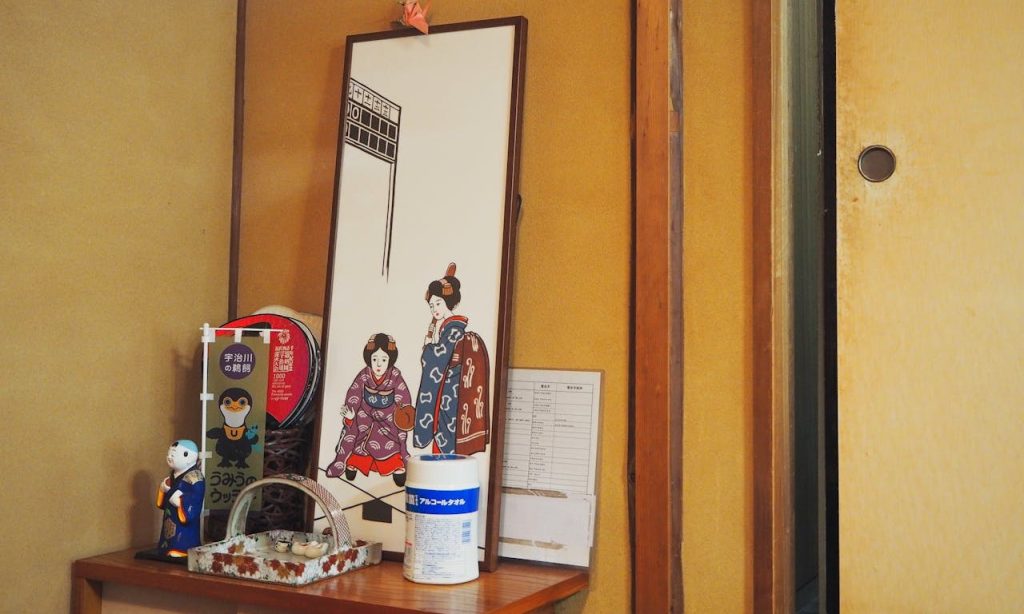
Why Ukiyo-e is a Window into Japan’s Past
If you’ve ever seen Hokusai’s “The Great Wave off Kanagawa” or Hiroshige’s “Fifty-three Stations of the Tōkaidō”, you’ve encountered Ukiyo-e (浮世絵・うきよえ)—one of Japan’s most iconic art forms.
But Ukiyo-e is more than just beautiful woodblock prints. It tells the story of Japan’s Edo period (1603–1868), depicting everything from sumo wrestlers to Kabuki actors, landscapes, and mythological scenes.
Why Should You Learn About Ukiyo-e?
Deepens your understanding of Japanese history and culture
Helps you recognize famous Japanese artwork and artists
Expands your Japanese vocabulary for discussing art
Enhances your appreciation of fine details in Japanese prints
In this guide, we’ll explore:
The history and evolution of Ukiyo-e
How Ukiyo-e prints were made using traditional techniques
Famous Ukiyo-e artists and their masterpieces
Key vocabulary to describe and discuss Ukiyo-e
How to view and appreciate Ukiyo-e like an art expert
Let’s step into the floating world of Ukiyo-e!
Step 1: A Brief History of Ukiyo-e
What Does “Ukiyo-e” Mean?
The term Ukiyo-e (浮世絵) means “pictures of the floating world.” It refers to the vibrant urban culture of the Edo period, where people enjoyed:
✔ Kabuki theater (歌舞伎・かぶき)
✔ Geisha entertainment (芸者・げいしゃ)
✔ Sumo wrestling (相撲・すもう)
✔ Scenic landscapes (風景画・ふうけいが)
Timeline of Ukiyo-e’s Evolution
✔ 1600s – Ukiyo-e emerges as hand-painted art for wealthy patrons.
✔ 1700s – The woodblock printing technique allows mass production, making Ukiyo-e accessible to the public.
✔ 1800s – Landscape prints gain popularity, with artists like Hokusai and Hiroshige leading the way.
✔ 1868+ – Japan opens to Western influence, leading to the decline of Ukiyo-e but inspiring European artists like Van Gogh and Monet.
💡 Did you know?
The Impressionist movement in Europe was heavily inspired by Ukiyo-e prints, particularly in their use of bold colors, strong lines, and asymmetry!
Step 2: How Ukiyo-e Prints Were Made
Creating a single Ukiyo-e print was a collaborative process involving multiple artisans:
The Artist (絵師・えし・Eshi) – Designs the original artwork.
The Carver (彫師・ほりし・Horishi) – Hand-carves the design onto wooden blocks.
The Printer (摺師・すりし・Surishi) – Applies ink and presses paper onto the blocks.
The Publisher (版元・はんもと・Hanmoto) – Oversees production and sales.
Each print required multiple woodblocks for different colors, carefully aligned to create vibrant, layered images.
💡 Fun Fact: The process of aligning colors perfectly is called “Kento (見当・けんとう)”, ensuring flawless registration of each layer!
Step 3: Famous Ukiyo-e Artists and Their Masterpieces
1. Katsushika Hokusai (葛飾北斎・かつしかほくさい)
Known for dynamic compositions and innovative perspectives.
🔹 Famous Work: The Great Wave off Kanagawa (神奈川沖浪裏・かながわおきなみうら)
🔹 Series: Thirty-Six Views of Mount Fuji (富嶽三十六景・ふがくさんじゅうろっけい)
2. Utagawa Hiroshige (歌川広重・うたがわひろしげ)
Master of landscape prints, capturing seasonal beauty.
🔹 Famous Work: Fifty-Three Stations of the Tōkaidō (東海道五十三次・とうかいどうごじゅうさんつぎ)
3. Kitagawa Utamaro (喜多川歌麿・きたがわうたまろ)
Specialized in Bijin-ga (美人画・びじんが), prints of elegant women.
🔹 Famous Work: Three Beauties of the Present Day (当時三美人・とうじさんびじん)
Which artist interests you the most? Try comparing their styles!
Step 4: Essential Ukiyo-e Vocabulary
Art & Printing Terms
| Kanji | Hiragana | Romaji | Meaning |
|---|---|---|---|
| 浮世絵 | うきよえ | Ukiyo-e | Japanese woodblock prints |
| 木版画 | もくはんが | Mokuhanga | Woodblock printing |
| 彫師 | ほりし | Horishi | Carver |
| 摺師 | すりし | Surishi | Printer |
| 絵師 | えし | Eshi | Artist |
| 版元 | はんもと | Hanmoto | Publisher |
Step 5: How to Appreciate Ukiyo-e Like an Expert
What to Look for When Viewing Ukiyo-e
✔ Color Layering: Notice the smooth transitions and depth of colors.
✔ Perspective & Composition: Look for asymmetry and bold angles.
✔ Details & Storytelling: Observe small details that reveal stories about life in Edo Japan.
Where to See Ukiyo-e Prints
In Japan: Visit the Tokyo National Museum or the Sumida Hokusai Museum.
Outside Japan: Major museums like the British Museum, MFA Boston, and The Met have Ukiyo-e collections.
Online: Explore digital collections from museums like the National Diet Library Japan!
Final Study Challenge: Describe a Ukiyo-e Print!
Task: Choose a Ukiyo-e print and describe it in Japanese!
Example:
「この浮世絵には、大きな波と小さな船が描かれています。青色が多く使われていて、とても美しいです。」
(Kono Ukiyo-e ni wa, ōkina nami to chiisana fune ga egakarete imasu. Aoiro ga ōku tsukawarete ite, totemo utsukushii desu.)
→ “This Ukiyo-e features a big wave and small boats. The use of blue is striking and beautiful.”
Conclusion: The Timeless Beauty of Ukiyo-e
Ukiyo-e remains one of Japan’s most iconic art forms, capturing the spirit, history, and beauty of Edo-period Japan. Whether you’re an art enthusiast, Japanese learner, or history buff, Ukiyo-e offers endless opportunities for appreciation and study.
Next Steps:
✔ Visit a Ukiyo-e museum or online gallery
✔ Try sketching your own Ukiyo-e-inspired artwork
✔ Learn more Japanese art vocabulary
Disclaimer: This guide is for educational purposes. Ukiyo-e techniques may vary by school and artist.
What’s your favorite Ukiyo-e print? Share in the comments below!

