
Unlocking the Heart of Japanese Culture and Mindfulness Through Sadō
Why the Philosophy Behind Japanese Tea Ceremony Matters
Have you ever wondered why a simple act like making tea can be considered an art form in Japan? The philosophy behind Japanese tea ceremony—known as Sadō (茶道・さどう・sadō) or Chanoyu (茶の湯・ちゃのゆ・chanoyu)—offers deep lessons in mindfulness, hospitality, and the beauty of imperfection. For language learners, Sadō is not only a gateway to traditional vocabulary and customs, but also a path to understanding the Japanese mindset and values that shape everyday life.
What Is Sadō? Key Concepts and Real-World Examples
- Sadō (茶道): Literally “The Way of Tea,” Sadō is the highly ritualized preparation and sharing of matcha (抹茶・まっちゃ・matcha), or powdered green tea. It is rooted in Zen Buddhism and reflects centuries of Japanese aesthetics and philosophy.
- Wabi-Sabi (侘寂・わびさび): The appreciation of simplicity, transience, and imperfection. In the tearoom, this is seen in rustic pottery, natural materials, and seasonal decorations.
- Wa-Kei-Sei-Jaku (和敬清寂): The four core principles of Sadō:
- Wa (和): Harmony
- Kei (敬): Respect
- Sei (清): Purity
- Jaku (寂): Tranquility
Real-World Example
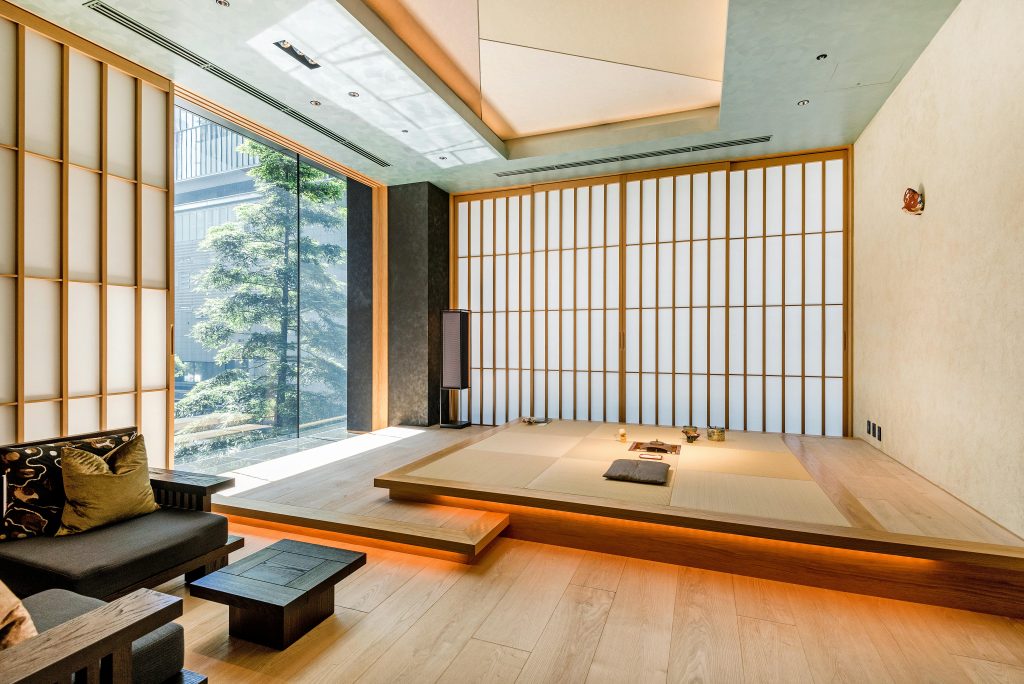
Imagine entering a small, quiet tea room. You remove your shoes, bow to the host, and sit in seiza (正座・せいざ・seiza) on tatami mats. The host carefully prepares matcha, each movement deliberate and graceful. You receive the tea bowl, rotate it, and take a sip, savoring not just the flavor but the moment itself. This is Sadō in action—a living embodiment of mindfulness and respect.
Key Vocabulary (Kanji, Furigana, Romaji, Definitions)
| Kanji | Furigana | Romaji | Definition |
|---|---|---|---|
| 茶道 | さどう | sadō | The Way of Tea, tea ceremony |
| 茶の湯 | ちゃのゆ | chanoyu | Tea ceremony (literally “hot water for tea”) |
| 抹茶 | まっちゃ | matcha | Powdered green tea |
| 侘寂 | わびさび | wabi-sabi | Beauty in imperfection and simplicity |
| 和敬清寂 | わけいせいじゃく | wa-kei-sei-jaku | Harmony, respect, purity, tranquility |
| 正座 | せいざ | seiza | Formal kneeling position |
| 茶碗 | ちゃわん | chawan | Tea bowl |
| 茶筅 | ちゃせん | chasen | Bamboo tea whisk |
| 茶杓 | ちゃしゃく | chashaku | Bamboo tea scoop |
| 袱紗 | ふくさ | fukusa | Silk cloth for purification |
| 主人 | しゅじん | shujin | Host (of the ceremony) |
| 客 | きゃく | kyaku | Guest |
| 和菓子 | わがし | wagashi | Traditional Japanese sweets |
Cultural Context & Usage Scenarios
- Hospitality (Omotenashi): The tea ceremony is a model of Japanese hospitality. Every detail, from the selection of utensils to the arrangement of flowers, is chosen for the guest’s comfort and enjoyment.
- Seasonal Awareness: The tea room and utensils change with the seasons, teaching participants to appreciate nature’s cycles.
- Mindfulness and Etiquette: Each gesture is performed with intention and respect, fostering mindfulness and a sense of presence.
The Four Principles of Sadō: Wa-Kei-Sei-Jaku
- Wa (和) – Harmony:
Harmonizing with others and the environment. The tearoom is a space where social status disappears, and all are equal. - Kei (敬) – Respect:
Respect for people, objects, and nature. Bowing, careful handling of utensils, and polite language express this value. - Sei (清) – Purity:
Purifying both the space and the mind. Cleaning utensils and the tearoom symbolize starting fresh, free from distractions. - Jaku (寂) – Tranquility:
Achieving inner peace and humility. Through practice, participants find calm and acceptance.
Case Study: Learning Sadō as a Language Student
Maria, an intermediate Japanese learner, joined a Sadō club at her university. At first, she struggled with the vocabulary and the seiza position, but her teacher encouraged her to focus on the philosophy behind each action. Over time, Maria found that learning the rituals helped her memorize new words, understand Japanese etiquette, and even improve her mindfulness in daily life. She now feels more confident using Japanese in formal situations and has made friends through her shared love of tea.
Practice Exercises
- Vocabulary Drill:
Write each key word in kanji, hiragana, and romaji. Use them in a sentence about Sadō. - Mindfulness Exercise:
Prepare a cup of tea at home. As you do, focus on each step and reflect on the four principles: harmony, respect, purity, and tranquility. - Cultural Reflection:
Write a short paragraph comparing a ritual from your culture to the Japanese tea ceremony.
Study Challenge: Experience Sadō for Yourself
- Action Step:
Attend a tea ceremony workshop (in person or online). Take notes on the vocabulary and etiquette you observe. - Language Challenge:
Practice introducing yourself and expressing gratitude in Japanese during the ceremony. For example:
今日はお招きいただき、ありがとうございます。
Kyō wa omaneki itadaki, arigatō gozaimasu.
Thank you for inviting me today.
Recommended Resources
- Books:
“The Book of Tea” by Okakura Kakuzō
“Japanese Tea Ceremony: Cha-no-yu and the Zen Art of Mindfulness” - Online Lessons:
Urasenke Foundation (official resources and videos)
YouTube: Search “Sadō tea ceremony tutorial” for step-by-step guides - Workshops:
Local Japanese culture centers, language schools, or tea houses often offer beginner Sadō classes.
Key Challenges & Considerations
- Seiza (正座): Sitting in the formal kneeling position can be uncomfortable at first. Practice gradually and use a cushion if needed.
- Complex Etiquette: The procedures may seem overwhelming, but focus on the philosophy and enjoy the learning process.
- Language Barrier: Don’t worry about perfection. Use Sadō as a chance to practice listening and speaking in a supportive environment.
Conclusion & Call to Action
Exploring the philosophy behind Japanese tea ceremony is a journey into the heart of Japanese culture, language, and mindfulness. By learning Sadō, you’ll gain new vocabulary, cultural insights, and a deeper appreciation for the art of living in the moment. Ready to experience Sadō in Japan? Contact our team for information on workshops, tours, and opportunities to visit, work, and live in Japan!
Disclaimer: This article is for educational purposes only. For hands-on Sadō experience, always follow the guidance of certified instructors and respect cultural etiquette. Contact us for recommendations on safe workshops and travel opportunities in Japan.

