
How Samurai Values, Techniques, and Philosophy Shape Modern Martial Arts in Japan
Why Samurai Culture Still Matters for Martial Arts and Language Learners
When you step onto a dojo mat or pick up a bamboo sword, you’re connecting to centuries of Japanese history shaped by the legendary samurai (侍・さむらい・samurai). The role of samurai culture in Japanese martial arts is profound: it’s not just about fighting techniques, but also about a code of honor, discipline, and lifelong learning. For students of Japanese language and culture, understanding this legacy unlocks deeper meaning in both words and actions—inside and outside the dojo.
What is Samurai Culture? Key Concepts and Real-World Examples
- Samurai (侍・さむらい): The warrior class who dominated Japanese society from the 12th to 19th centuries, serving as soldiers, administrators, and moral leaders.
- Bushido (武士道・ぶしどう): “The Way of the Warrior,” a code of ethics emphasizing loyalty, honor, courage, and self-discipline.
- Martial Arts (武道・ぶどう・budō): The samurai practiced a wide range of martial arts, each with its own philosophy and techniques.

Real-World Examples
- Kenjutsu (剣術・けんじゅつ): The art of swordsmanship, focusing on the katana, the samurai’s soul.
- Jujutsu (柔術・じゅうじゅつ): Grappling and self-defense, using an opponent’s force against them.
- Kyujutsu (弓術・きゅうじゅつ): The art of archery, valued for both combat and spiritual focus.
- Sojutsu (槍術・そうじゅつ): Spear techniques, essential for battlefield formations.
- Naginatajutsu (薙刀術・なぎなたじゅつ): The use of the naginata polearm, practiced by both samurai and women of the warrior class.
Key Vocabulary (Kanji, Furigana, Romaji, Definitions)
| Kanji | Furigana | Romaji | Definition |
|---|---|---|---|
| 侍 | さむらい | samurai | Warrior class of feudal Japan |
| 武士道 | ぶしどう | bushidō | The way of the warrior; samurai code |
| 剣術 | けんじゅつ | kenjutsu | Swordsmanship |
| 柔術 | じゅうじゅつ | jūjutsu | Grappling/self-defense art |
| 弓術 | きゅうじゅつ | kyūjutsu | Archery |
| 槍術 | そうじゅつ | sōjutsu | Spear fighting |
| 薙刀術 | なぎなたじゅつ | naginatajutsu | Naginata (polearm) techniques |
| 道場 | どうじょう | dōjō | Training hall |
| 師範 | しはん | shihan | Master instructor |
| 礼 | れい | rei | Bow, etiquette |
| 精神 | せいしん | seishin | Spirit, mentality |
| 名誉 | めいよ | meiyo | Honor |
| 忠義 | ちゅうぎ | chūgi | Loyalty |
| 修行 | しゅぎょう | shugyō | Discipline, training |
Cultural Context & Usage Scenarios
- Martial Arts as Education: Samurai martial arts were not just for combat, but for cultivating character and self-control. Schools (道場・どうじょう・dōjō) became centers for both physical and moral education.
- Bushido in Modern Life: The values of bushido—respect, perseverance, and self-improvement—are still taught in martial arts today, from kendo (剣道・けんどう) to judo (柔道・じゅうどう).
- Spiritual Influence: Zen Buddhism and other philosophies shaped the samurai’s approach to martial arts, emphasizing mindfulness, presence, and the “mind of no-mind” (無心・むしん・mushin).
Practical Insights: How Samurai Traditions Live On
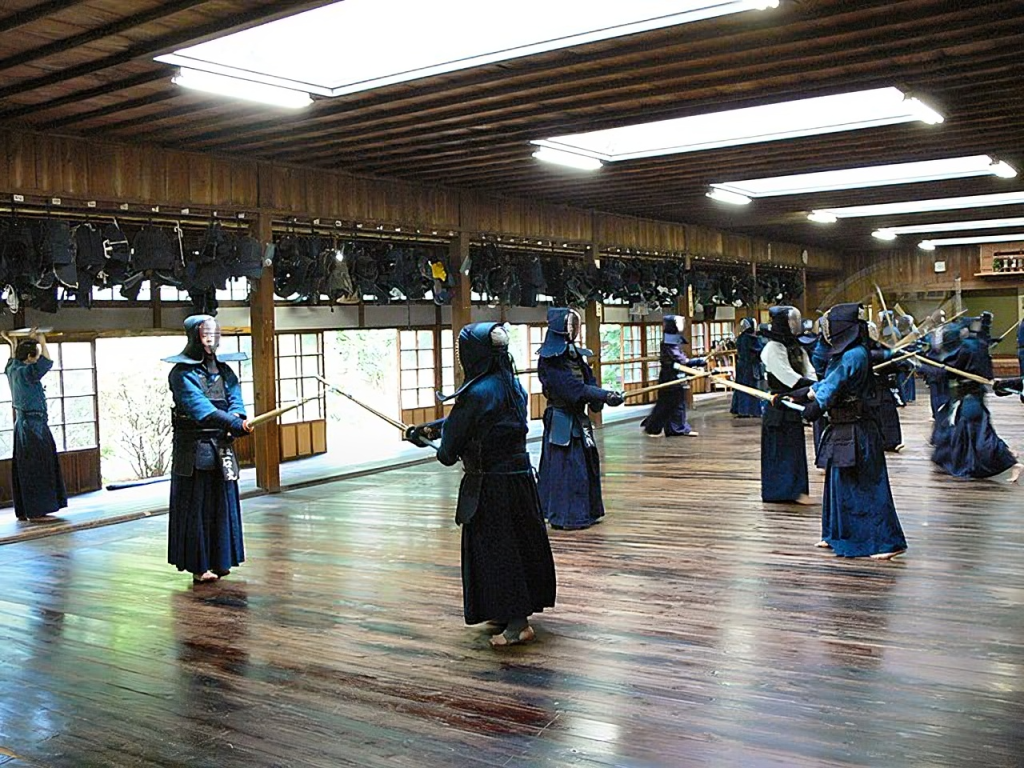
- Kendo: Modern kendo evolved from kenjutsu, using bamboo swords (shinai) and protective armor. Practitioners bow (礼・れい・rei) before and after matches, reflecting samurai etiquette.
- Judo and Aikido: These arts draw on jujutsu principles, focusing on throws, joint locks, and using an opponent’s energy.
- Karate and Other Arts: While karate originated in Okinawa, its focus on discipline and respect mirrors bushido values.
Case Study: A Learner’s Journey
Alex, a Japanese language student, joined a local kendo club. At first, the etiquette and vocabulary were challenging, but learning terms like “rei” (bow) and “shihan” (master instructor) helped him understand dojo culture. Through practice, Alex gained confidence not only in martial arts but also in speaking Japanese and understanding the deeper values behind each movement.
Practice Exercises
- Vocabulary Drill: Write each key word in kanji, hiragana, and romaji. Use them in a sentence about martial arts.
- Cultural Reflection: Write a paragraph comparing martial arts values in your country to bushido.
- Role Play: Practice a dojo greeting in Japanese:
先生、よろしくお願いします。
(Sensei, yoroshiku onegaishimasu.)
“Teacher, please guide me.”
Study Challenge: Experience Samurai Spirit
- Action Step: Attend a martial arts class (kendo, judo, aikido, etc.). Observe the etiquette and try using Japanese vocabulary during practice.
- Language Task: Write a diary entry in Japanese about your experience. For example:
今日は剣道の道場で練習しました。礼儀が大切だと感じました。
(Kyō wa kendō no dōjō de renshū shimashita. Reigi ga taisetsu da to kanjimashita.)
Today I practiced at the kendo dojo. I felt that etiquette is important.
Recommended Resources
- Books:
“Hagakure: The Book of the Samurai” by Yamamoto Tsunetomo
“The Book of Five Rings” by Miyamoto Musashi
“Bushido: The Soul of Japan” by Inazo Nitobe - Online:
YouTube: Search “samurai martial arts documentary” or “kendo practice Japan”
NHK World: Martial arts and samurai history programs - Workshops:
Local martial arts dojos, cultural centers, and Japanese consulates often offer introductory classes.
Key Challenges & Considerations
- Physical Demands: Martial arts require patience and consistent practice. Start slow and focus on basics.
- Cultural Nuance: Etiquette and respect are as important as technique. Always bow and use polite language in the dojo.
- Philosophy vs. Myth: Samurai culture is often romanticized. Focus on real values—discipline, humility, and lifelong learning.
Conclusion & Call to Action
Samurai culture is the backbone of Japanese martial arts, shaping not only techniques but also the spirit and values of practitioners. By learning about the role of samurai in martial arts, you’ll deepen your understanding of Japanese language, culture, and yourself. Ready to experience samurai spirit in Japan? Contact our team for information on workshops, tours, and opportunities to visit, work, and live in Japan!
Disclaimer: This article is for educational purposes only. For hands-on martial arts experiences, always follow the guidance of certified instructors and respect dojo etiquette. Contact us for recommendations on workshops and travel opportunities in Japan.

