
Explore Japan’s National Parks: Nature, Language, and Culture for Learners
Introduction: Why National Parks Matter for Japanese Learners
Imagine hiking through ancient forests, soaking in hot springs with Mt. Fuji in view, or spotting rare wildlife along pristine coastlines. Japan’s national parks are not just breathtaking—they are windows into the country’s culture, language, and natural beauty. Learning about these parks will enrich your Japanese vocabulary, give you real-life conversation topics, and inspire your next adventure. Whether you love nature, history, or language, this guide is your passport to exploring the best of Japan!
Key Concepts: What Makes Japan’s National Parks Unique?
Japan has 34 national parks (国立公園, こくりつこうえん, kokuritsu kōen) spanning from snowy Hokkaido to tropical Okinawa. Each park preserves unique landscapes, wildlife, and cultural treasures. Here are some of the most famous:
| Park Name | Kanji (漢字) | Furigana (ふりがな) | Romaji | Key Features & Region |
|---|---|---|---|---|
| Fuji-Hakone-Izu | 富士箱根伊豆 | ふじはこねいず | Fuji-Hakone-Izu | Mt. Fuji, lakes, hot springs, near Tokyo123 |
| Shiretoko | 知床 | しれとこ | Shiretoko | UNESCO site, wildlife, Hokkaido34 |
| Nikko | 日光 | にっこう | Nikkō | Shrines, waterfalls, autumn leaves, Kanto546 |
| Yakushima | 屋久島 | やくしま | Yakushima | Ancient cedar forests, UNESCO, Kyushu34 |
| Daisetsuzan | 大雪山 | だいせつざん | Daisetsuzan | Largest, alpine scenery, Hokkaido5 |
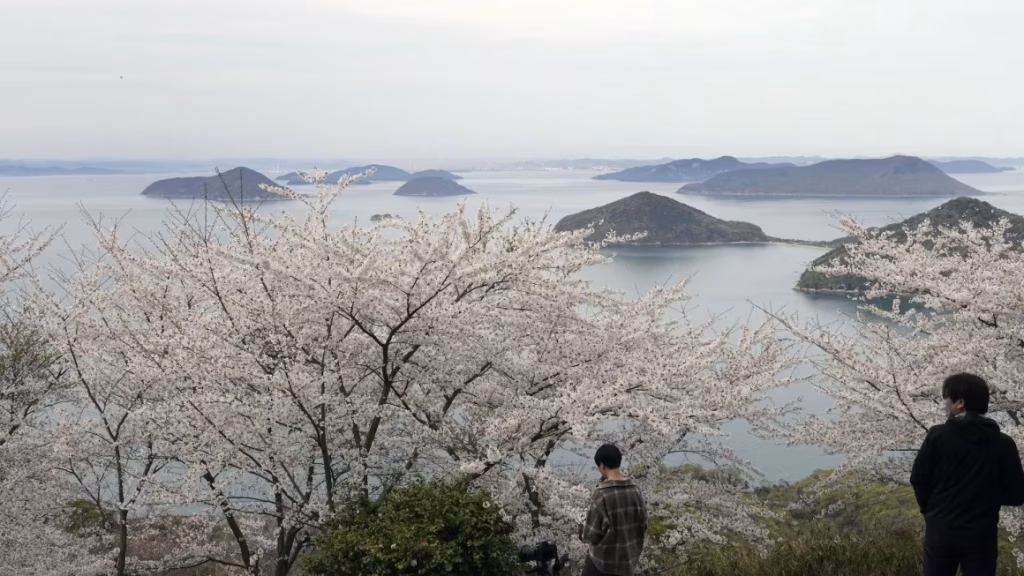
| Setonaikai | 瀬戸内海 | せとないかい | Setonaikai | Islands, sea views, cycling, Chugoku57 |
| Kirishima-Kinkowan | 霧島錦江湾 | きりしまきんこうわん | Kirishima-Kinkōwan | Volcanoes, onsen, Kyushu58 |
| Yoshino-Kumano | 吉野熊野 | よしのくまの | Yoshino-Kumano | Pilgrimage routes, cherry blossoms, Kansai54 |
Fuji-Hakone-Izu National Park: Iconic Japan
- Mount Fuji (富士山, ふじさん, Fuji-san): Japan’s tallest and most famous mountain.
- Hakone (箱根, はこね, Hakone): Hot springs, art museums, and Lake Ashi.
- Izu Peninsula (伊豆半島, いずはんとう, Izu-hantō): Rugged coastlines and marine sports.
Example Sentence:
- 富士山は日本で一番高い山です。
(ふじさんは にほんで いちばん たかい やまです。)
Fujisan wa Nihon de ichiban takai yama desu.
“Mt. Fuji is the tallest mountain in Japan.”
Vocabulary in Context
- 山 (やま, yama) – mountain
- 湖 (みずうみ, mizuumi) – lake
- 温泉 (おんせん, onsen) – hot spring
Shiretoko National Park: Wilderness of Hokkaido
- UNESCO World Heritage Site: Home to brown bears, foxes, and drift ice.
- Shiretoko Five Lakes (知床五湖, しれとこごこ, Shiretoko Goko): Scenic trails and wildlife watching.
Example Sentence:
- 知床には野生動物がたくさんいます。
(しれとこには やせいどうぶつが たくさん います。)
Shiretoko ni wa yasei dōbutsu ga takusan imasu.
“There are many wild animals in Shiretoko.”
Vocabulary in Context
- 動物 (どうぶつ, dōbutsu) – animal
- 森 (もり, mori) – forest
- 自然 (しぜん, shizen) – nature
Nikko National Park: Nature and History
- Toshogu Shrine (東照宮, とうしょうぐう, Tōshōgū): Lavish UNESCO shrine.
- Kegon Falls (華厳の滝, けごんのたき, Kegon no Taki): One of Japan’s tallest waterfalls.
- Autumn Leaves (紅葉, こうよう, kōyō): Famous for fall colors.
Example Sentence:
- 日光は紅葉が美しいです。
(にっこうは こうようが うつくしいです。)
Nikkō wa kōyō ga utsukushii desu.
“Nikko’s autumn leaves are beautiful.”
Vocabulary in Context
- 滝 (たき, taki) – waterfall
- 神社 (じんじゃ, jinja) – shrine
- 紅葉 (こうよう, kōyō) – autumn leaves
Yakushima National Park: Ancient Forests
- Yakusugi Cedar (屋久杉, やくすぎ, Yakusugi): Trees over 1,000 years old.
- UNESCO World Heritage: Lush, mossy forests and rare wildlife.
Example Sentence:
- 屋久島の森はとても古いです。
(やくしまの もりは とても ふるいです。)
Yakushima no mori wa totemo furui desu.
“Yakushima’s forest is very old.”
Vocabulary in Context
- 杉 (すぎ, sugi) – cedar
- 雨 (あめ, ame) – rain
- 島 (しま, shima) – island
Setonaikai National Park: Islands and Sea
- Seto Inland Sea (瀬戸内海, せとないかい, Setonaikai): Thousands of islands, cycling routes, and art festivals.
- Miyajima (宮島, みやじま, Miyajima): Floating torii gate.
Example Sentence:
- 瀬戸内海にはたくさんの島があります。
(せとないかいには たくさんの しまが あります。)
Setonaikai ni wa takusan no shima ga arimasu.
“There are many islands in the Seto Inland Sea.”
Vocabulary in Context
- 海 (うみ, umi) – sea
- 島 (しま, shima) – island
- 自転車 (じてんしゃ, jitensha) – bicycle
Cultural Context & Usage Scenarios
- Travel: National parks are popular for hiking, hot springs, and seasonal festivals.
- Language: Place names, nature words, and travel expressions are common in daily conversation.
- Culture: Many parks have spiritual sites, traditional inns (旅館, りょかん, ryokan), and local foods.
Real-World Example
Anna, a student, visited Hakone with her host family. She practiced asking for directions:
- 「箱根神社はどこですか?」
(はこねじんじゃは どこですか?)
Hakone Jinja wa doko desu ka?
“Where is Hakone Shrine?”
She also learned to read signs for hiking trails and onsen, boosting her confidence and vocabulary.
Key Challenges & How to Overcome Them
- Kanji Recognition: Many park names use unique kanji—practice reading and writing them.
- Pronunciation: Some names and nature terms are tricky for beginners.
- Regional Terms: Local dialects and expressions may differ.
Tips
- Use flashcards for park names and nature vocabulary.
- Listen to Japanese travel shows or vlogs.
- Practice speaking with example sentences and role-plays.
Vocabulary List
| English | Kanji | Furigana | Romaji | Definition |
|---|---|---|---|---|
| National Park | 国立公園 | こくりつこうえん | kokuritsu kōen | National park |
| Mountain | 山 | やま | yama | Mountain |
| Forest | 森 | もり | mori | Forest |
| Lake | 湖 | みずうみ | mizuumi | Lake |
| Island | 島 | しま | shima | Island |
| Shrine | 神社 | じんじゃ | jinja | Shrine |
| Autumn leaves | 紅葉 | こうよう | kōyō | Autumn leaves |
| Hot spring | 温泉 | おんせん | onsen | Hot spring |
| Animal | 動物 | どうぶつ | dōbutsu | Animal |
| Sea | 海 | うみ | umi | Sea |
| Bicycle | 自転車 | じてんしゃ | jitensha | Bicycle |
Recommended Resources
- Japan National Parks Official Site (for park info and maps)
- NHK Easy News (for reading about nature and travel)
- JapanesePod101 (travel and nature lessons)
- Jisho.org (dictionary for kanji and vocabulary)
- YouTube: “Abroad in Japan” and “Only in Japan” (travel vlogs)
- Travel Japan Guidebooks (for detailed park guides)
Practice Exercises
1. Kanji Matching
Match the kanji to the English word:
- 山 (____)
- 森 (____)
- 湖 (____)
- 島 (____)
- 温泉 (____)
2. Fill in the Blank
Translate and fill in:
- “There are many hot springs in Hakone.”
(箱根には____がたくさんあります。) - “I want to hike in Shiretoko.”
(知床で____をしたいです。)
3. Write a Short Paragraph
Describe a national park you’d like to visit, using at least three vocabulary words from the list. Include kanji, furigana, and romaji.
Study Challenge: National Park Diary
For one week, research a different Japanese national park each day. Write a sentence in Japanese about its geography, wildlife, or culture. Example:
- 屋久島には古い杉があります。
(やくしまには ふるい すぎが あります。)
“There are ancient cedars on Yakushima.”
Share your diary with a language partner or teacher for feedback!
Action Steps
- Review the vocabulary and example sentences daily.
- Watch a Japanese documentary or vlog about a national park.
- Complete the practice exercises and study challenge.
- Explore Japanese travel blogs and official park websites.
- Contact our team for more learning tips or opportunities to visit, work, or live in Japan!
Ready to Explore Japan’s Natural Wonders?
Japan’s national parks are gateways to adventure, language, and culture. By learning about these famous parks, you’ll boost your Japanese skills and connect more deeply with the country’s spirit. Keep exploring, stay curious, and let nature inspire your Japanese journey. If you want more resources or are interested in experiencing Japan firsthand, contact our team for personalized support!
Disclaimer: This article is for educational purposes. For travel, study, or work guidance, please contact our team for up-to-date information and support.

