
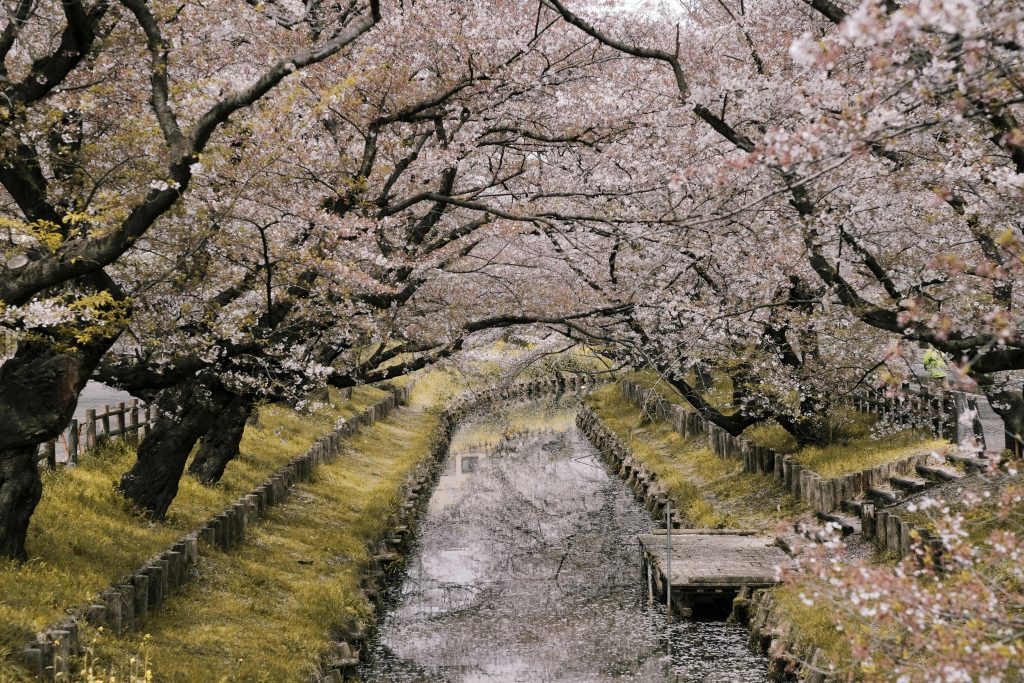
Celebrate the Seasons: Cherry Blossoms, Language, and Culture in Japan
Introduction: Why Cherry Blossoms and Seasons Matter
Imagine a country where the arrival of spring is celebrated with picnics under pink clouds of flowers, where poetry, art, and daily conversation revolve around the changing seasons. In Japan, cherry blossoms (桜, さくら, sakura) and the rhythm of the four seasons are at the heart of culture, language, and daily life. Understanding these natural cycles will not only enrich your Japanese vocabulary but also deepen your appreciation for the subtle beauty woven into every aspect of Japanese society.
Key Concepts: Sakura and the Four Seasons
Japan’s climate brings four distinct seasons (四季, しき, shiki), each with its own traditions, foods, and vocabulary. The cherry blossom is the most iconic symbol of spring, but every season is celebrated in unique ways.
| Season | Kanji (漢字) | Furigana (ふりがな) | Romaji | Key Features |
|---|---|---|---|---|
| Spring | 春 | はる | haru | Cherry blossoms, new beginnings |
| Summer | 夏 | なつ | natsu | Festivals, fireworks, greenery |
| Autumn | 秋 | あき | aki | Red leaves, harvest, moon-viewing |
| Winter | 冬 | ふゆ | fuyu | Snow, hot springs, New Year |
Why Are Cherry Blossoms So Important?
- Symbol of Beauty and Impermanence: Sakura blooms last only a week or two, reminding people to cherish fleeting moments (a concept called mono no aware, もののあわれ).
- Cultural Celebrations: Hanami (花見, はなみ)—cherry blossom viewing parties—bring people together for food, music, and reflection.
- Language and Art: Seasonal words (季語, きご, kigo) appear in haiku, literature, and daily conversation.
Cherry Blossoms: A National Obsession
Hanami: The Art of Flower Viewing
Every spring, friends, families, and coworkers gather under blooming cherry trees for hanami. People spread picnic blankets, share seasonal foods, and enjoy the beauty of the blossoms.
Example Sentence:
- 週末に花見をします。
(しゅうまつに はなみを します。)
Shūmatsu ni hanami o shimasu.
“I will go cherry blossom viewing this weekend.”
Vocabulary in Context
- 桜 (さくら, sakura) – cherry blossom
- 花見 (はなみ, hanami) – cherry blossom viewing
- 満開 (まんかい, mankai) – full bloom
- 散る (ちる, chiru) – to fall (petals/leaves)
Sakura in Daily Life
- Sakura motifs appear on everything from kimono to convenience store snacks.
- The cherry blossom forecast (桜前線, さくらぜんせん, sakura zensen) is followed nationwide, with news updates tracking the northward bloom.
Seasonal Changes: More Than Just Weather
How Seasons Shape Japanese Culture
- Spring (春): School and business years start; festivals celebrate new life.
- Summer (夏): Fireworks (花火, はなび, hanabi), yukata (浴衣, ゆかた, summer kimono), and cicada songs.
- Autumn (秋): Momiji (紅葉, もみじ, autumn leaves) viewing, harvest festivals, and moon viewing (月見, つきみ, tsukimi).
- Winter (冬): Snow festivals, hot springs (温泉, おんせん, onsen), and New Year (お正月, おしょうがつ, oshōgatsu) traditions.
Example Sentences
- 秋は紅葉がきれいです。
(あきは こうようが きれいです。)
Aki wa kōyō ga kirei desu.
“The autumn leaves are beautiful.” - 冬に温泉に入りたいです。
(ふゆに おんせんに はいりたいです。)
Fuyu ni onsen ni hairitai desu.
“I want to enter a hot spring in winter.”
Vocabulary in Context
- 季節 (きせつ, kisetsu) – season
- 春分 (しゅんぶん, shunbun) – spring equinox
- 紅葉 (こうよう, kōyō) – autumn leaves
- 雪 (ゆき, yuki) – snow
Cultural Context & Usage Scenarios
- Seasonal Greetings: Japanese letters and emails often start with a seasonal reference (e.g., “The cherry blossoms are in full bloom…”).
- Seasonal Foods: Each season brings special dishes—sakura mochi in spring, watermelon in summer, chestnuts in autumn, nabe (hot pot) in winter.
- Language: Seasonal words and expressions are common in conversation, poetry, and advertising.
Real-World Example
Anna, an exchange student, was invited to a hanami party. She learned to say:
- 桜が満開ですね。
(さくらが まんかい ですね。)
Sakura ga mankai desu ne.
“The cherry blossoms are in full bloom, aren’t they?”
She also tried sakura-flavored treats and wrote a haiku using seasonal words.
Key Challenges & How to Overcome Them
- Kanji Recognition: Many seasonal words use unique kanji.
- Timing: Seasonal events and vocabulary change quickly—stay curious and keep learning.
- Cultural Nuance: Understanding the deeper meaning of impermanence and appreciation for nature.
Tips
- Use flashcards for seasonal kanji and expressions.
- Watch Japanese news or weather reports for seasonal updates.
- Read haiku or short poems to see seasonal words in action.
Vocabulary List
| English | Kanji | Furigana | Romaji | Definition |
|---|---|---|---|---|
| Cherry blossom | 桜 | さくら | sakura | Cherry blossom |
| Hanami | 花見 | はなみ | hanami | Cherry blossom viewing |
| Full bloom | 満開 | まんかい | mankai | Full bloom |
| To fall | 散る | ちる | chiru | To fall (petals/leaves) |
| Season | 季節 | きせつ | kisetsu | Season |
| Autumn leaves | 紅葉 | こうよう | kōyō | Autumn leaves |
| Snow | 雪 | ゆき | yuki | Snow |
| Hot spring | 温泉 | おんせん | onsen | Hot spring |
| Spring | 春 | はる | haru | Spring |
| Summer | 夏 | なつ | natsu | Summer |
| Autumn | 秋 | あき | aki | Autumn |
| Winter | 冬 | ふゆ | fuyu | Winter |
Recommended Resources
- NHK Easy News (for seasonal news and vocabulary)
- JapanesePod101 (lessons on seasons and festivals)
- YouTube: “Abroad in Japan” and “Rachel & Jun” (cherry blossom and seasonal vlogs)
- Jisho.org (dictionary for seasonal words)
- Haiku books (for poetry and seasonal language)
- Japan Meteorological Agency (for sakura forecasts)
Practice Exercises
1. Kanji Matching
Match the kanji to the English word:
- 桜 (____)
- 花見 (____)
- 季節 (____)
- 紅葉 (____)
- 雪 (____)
2. Fill in the Blank
Translate and fill in:
- “I will go cherry blossom viewing this weekend.”
(週末に____をします。) - “The autumn leaves are beautiful.”
(秋は____がきれいです。)
3. Write a Short Haiku
Write a haiku (5-7-5 syllables) about your favorite season in Japan, using at least two vocabulary words from the list. Include kanji, furigana, and romaji.
Study Challenge: Seasonal Diary
For one week, observe the changes in your environment. Each day, write a sentence in Japanese about something seasonal you notice (flowers blooming, weather, foods, etc.). Example:
- 桜が咲き始めました。
(さくらが さきはじめました。)
“The cherry blossoms have started to bloom.”
Share your diary with a language partner or teacher for feedback!
Action Steps
- Review the vocabulary and example sentences daily.
- Watch a Japanese documentary or vlog about cherry blossoms or seasonal festivals.
- Complete the practice exercises and study challenge.
- Try writing seasonal greetings or haiku in Japanese.
- Contact our team for more learning tips or opportunities to visit, work, or live in Japan!
Ready to Celebrate the Seasons in Japanese?
Embracing the beauty of cherry blossoms and seasonal changes will help you connect deeply with Japanese language and culture. Keep practicing, stay curious, and let the seasons inspire your Japanese journey. If you want more resources or are interested in experiencing Japan firsthand, contact our team for personalized support!
Disclaimer: This article is for educational purposes. For travel, study, or work guidance, please contact our team for up-to-date information and support.

