
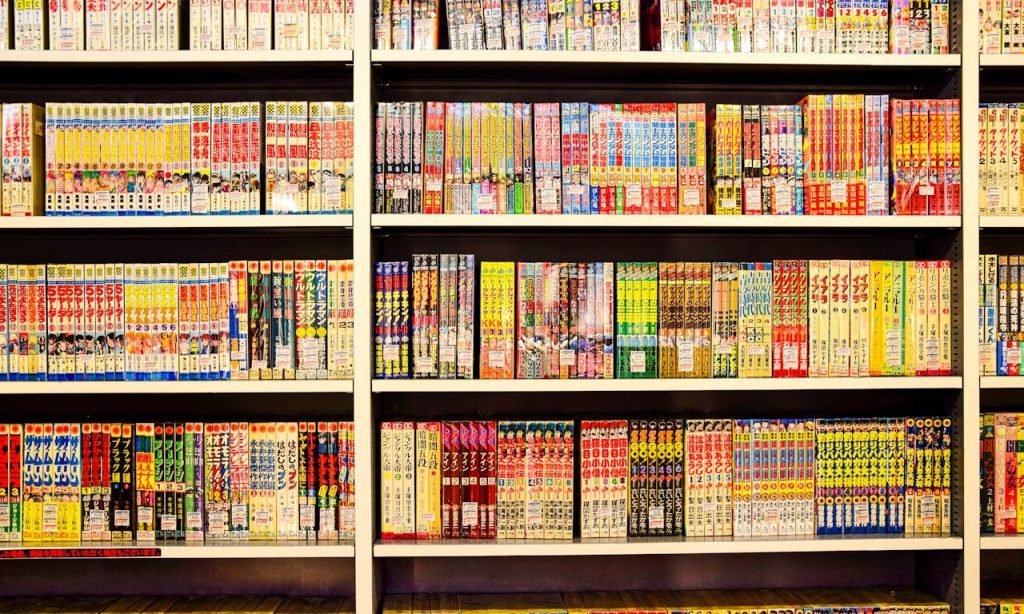
Why Reading in Japanese is Essential for Language Learning
Reading is one of the best ways to improve your Japanese skills—but many learners struggle with kanji, grammar, and sentence structure. The good news? You don’t need to be fluent to start reading Japanese books!
Using beginner-friendly Japanese books, you can:
- Recognize kanji and sentence patterns in real-world contexts.
- Expand your vocabulary naturally while enjoying stories.
- Improve comprehension skills by seeing words in full sentences.
- Build reading confidence without feeling overwhelmed.
This guide will introduce the best books for beginner learners, along with reading strategies, vocabulary tips, and a study challenge to help you get started.
How to Choose the Right Japanese Book for Beginners
Not all Japanese books are beginner-friendly. Some have complicated kanji, no furigana, or long, difficult sentences. Here’s what to look for:
What Makes a Book Beginner-Friendly?
- Uses furigana (ふりがな) – Small hiragana above kanji to help with pronunciation.
- Simple grammar and vocabulary – Avoids advanced kanji or rare expressions.
- Short sentences – Easier to follow and understand.
- Illustrations or context clues – Helps guess meanings of unknown words.
TIP: Start with graded readers, children’s books, and simple novels before moving to advanced materials.
The Best Beginner-Friendly Japanese Books

1. Japanese Graded Readers (にほんご よむ よむ 文庫)
Best for: Absolute beginners (JLPT N5–N4)
What it is:
- A series of short stories written in simple Japanese, categorized by difficulty.
- Includes furigana and English translations for difficult words.
- Covers Japanese culture, folktales, and everyday situations.
Why read it?
- Designed for learners, so grammar and vocabulary are perfect for beginners.
- Each story is graded from Level 0 (easy) to Level 4 (harder).
- Comes with audio recordings to improve listening skills!
Where to Get It: White Rabbit Press

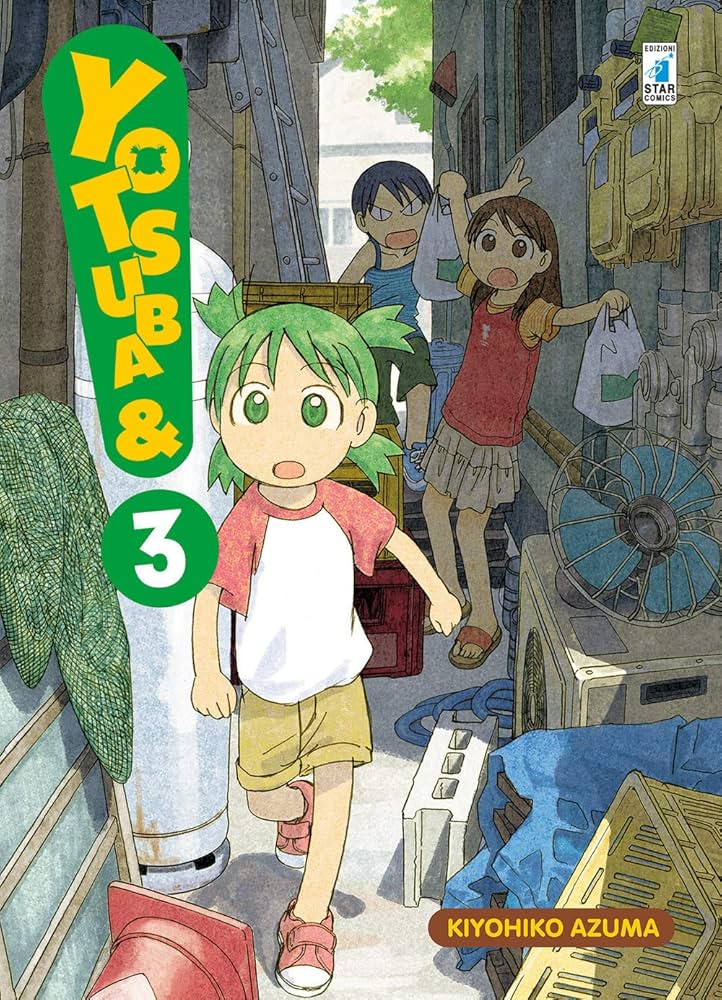
2. よつばと! (Yotsuba&!)
Best for: Beginners (JLPT N5–N4)
What it is:
- A heartwarming manga about a curious little girl, Yotsuba, and her daily adventures.
- Uses simple dialogue and everyday vocabulary.
- Has furigana for all kanji, making it easy to read.
Why read it?
- Great for casual Japanese and daily conversation phrases.
- The humorous and light-hearted story makes learning fun.
- The pictures help with comprehension, making it easier to guess words.
🔗 Where to Get It: Amazon Japan
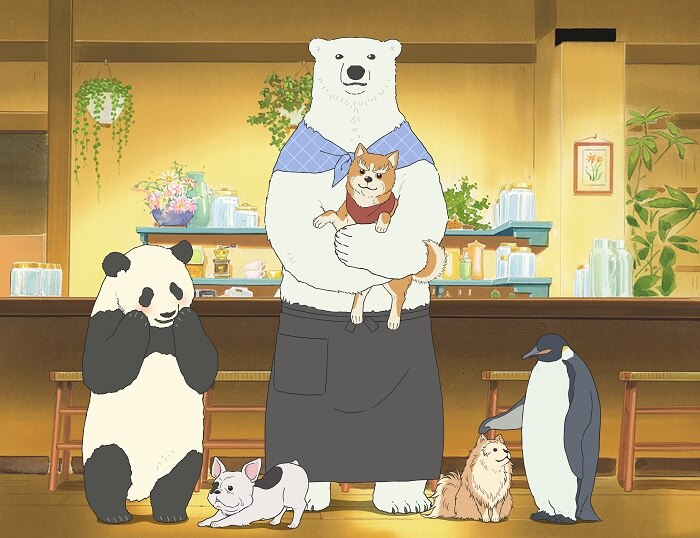
3. しろくまカフェ (Shirokuma Café – Polar Bear Café)
Best for: Beginners (JLPT N5–N4)
What it is:
- A fun slice-of-life manga about talking animals running a café.
- Uses simple grammar and natural conversations.
- Covers everyday phrases, workplace conversations, and casual speech.
Why read it?
- Great for practicing daily conversations and polite speech.
- Lighthearted and engaging—perfect for stress-free learning.
- The anime version helps with listening comprehension!
🔗 Where to Get It: Bookwalker
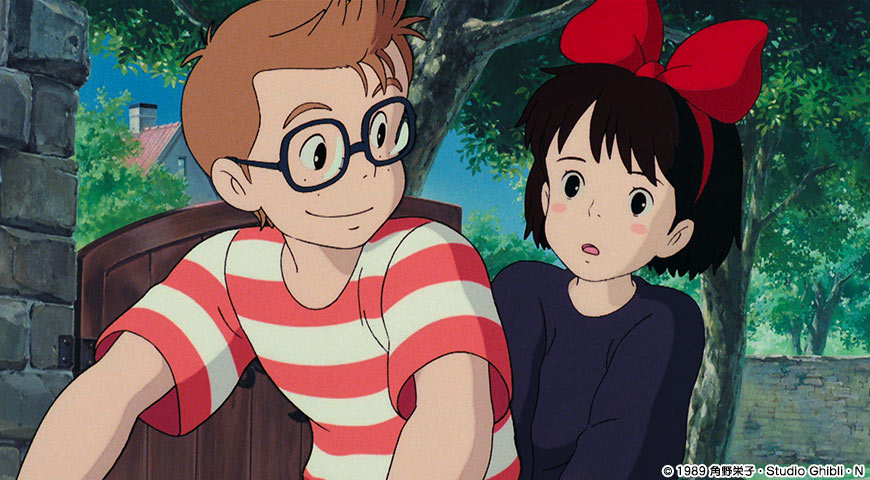
4. 魔女の宅急便 (Kiki’s Delivery Service)
Best for: Upper beginners (JLPT N4)
What it is:
- A classic Japanese novel about Kiki, a young witch who starts a delivery service.
- Uses easy-to-follow sentences with furigana.
- Perfect for learners transitioning to real books.
Why read it?
- Familiar story (from the famous Ghibli movie).
- Good mix of kanji, furigana, and simple descriptions.
- Builds confidence before moving to more complex novels.
🔗 Where to Get It: Kinokuniya
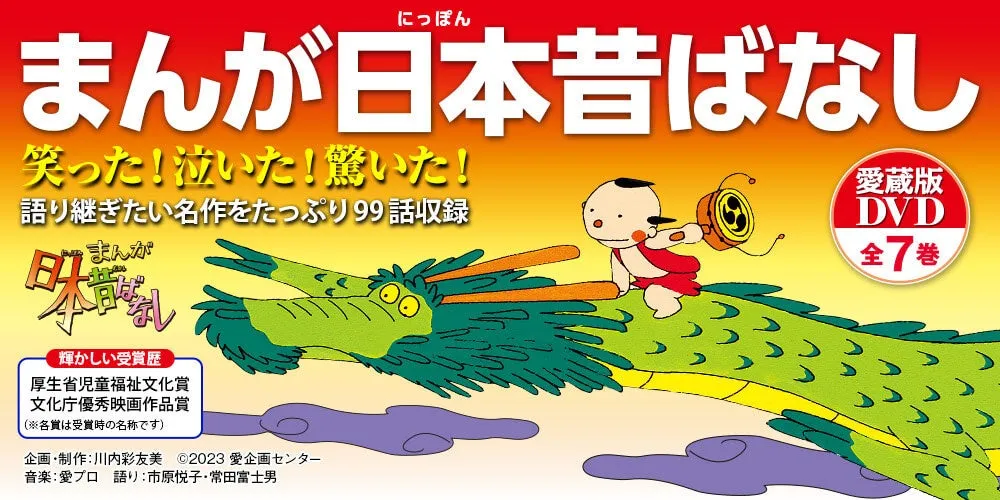
5. 日本昔ばなし (Japanese Folktales)
Best for: Beginners (JLPT N5–N4)
What it is:
- A collection of traditional Japanese folk stories like Momotaro (Peach Boy) and Urashima Taro.
- Simple, repetitive sentence structures.
- Great for learning cultural references and storytelling style.
Why Read It?
✔ Traditional stories help you understand Japanese culture.
✔ Repetitive language reinforces key grammar points.
✔ Available in bilingual editions (Japanese-English).
🔗 Where to Get It: Tuttle Publishing
How to Read Japanese Books Effectively
Reading Japanese books can feel overwhelming, but these tips will make it easier:
1. Read Without Looking Up Every Word
Try to guess meanings from context.
Use pictures or illustrations to help.
Only look up key words that stop you from understanding the story.
2. Write Down New Vocabulary
Use a notebook or Anki flashcards to record new words.
Include kanji, furigana, meaning, and an example sentence.
Review them daily for better retention.
Example:
言葉 (ことば) – Word, vocabulary
魔法 (まほう) – Magic
3. Read Aloud to Improve Pronunciation
Mimic the character’s speech for better fluency.
Repeat difficult lines to master intonation.
Use audiobook versions to compare pronunciation.
4. Write a Short Summary in Japanese
After reading a chapter, summarize it in simple Japanese.
Keep it short and increase complexity over time.
Example (Beginner Level):
「今日はキキが初めて街に行きました。たくさんの人がいました!」
(きょう わ キキ が はじめて まち に いきました。 たくさん の ひと が いました!)
→ “Today, Kiki went to the city for the first time. There were many people!”
Read Your First Japanese Book!
Choose a beginner-friendly book and follow these steps:
- Step 1: Read the first 5 pages without stopping.
- Step 2: Write down 5 new vocabulary words.
- Step 3: Try summarizing the section in Japanese.
- Step 4: Read aloud for pronunciation practice!
BONUS: Share your progress in the comments! 📖✨
Make Reading a Fun Part of Your Japanese Learning!
Reading Japanese books is one of the most enjoyable ways to learn the language. By starting with beginner-friendly books, you can build:
✔ Vocabulary and grammar skills
✔ Reading comprehension and fluency
✔ Confidence in understanding real Japanese
📢 What’s your favorite Japanese book for learning? Share in the comments below! 😊

