
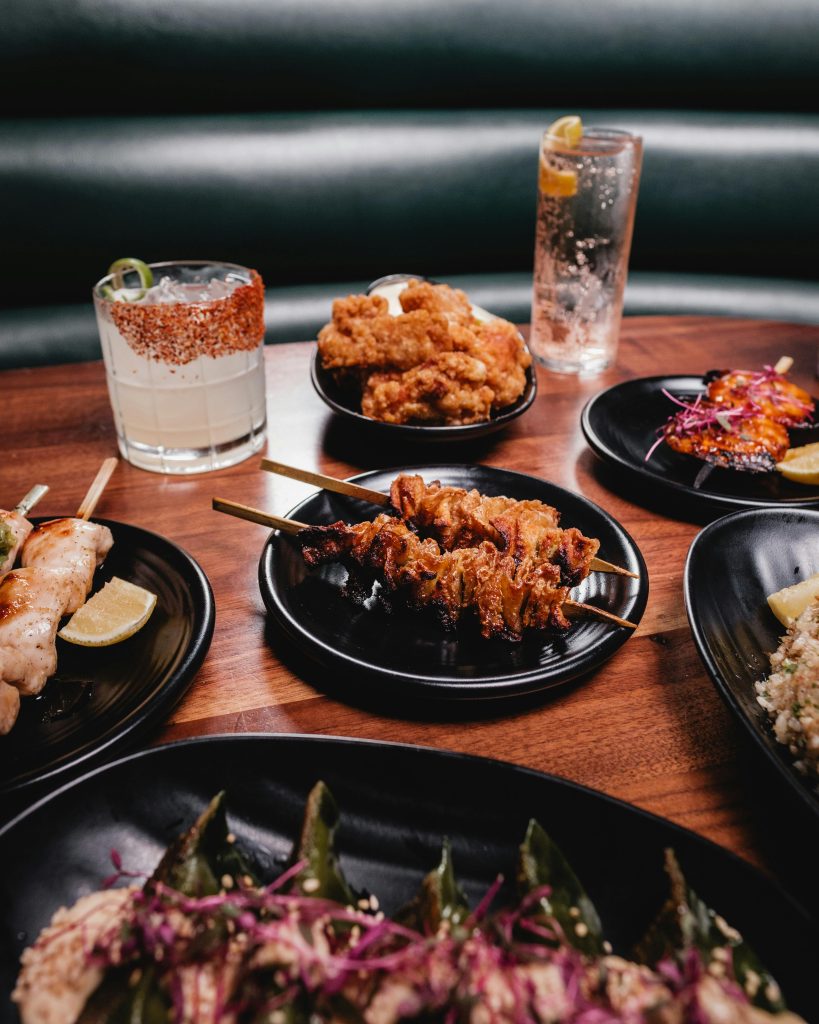
Drinking Etiquette in Japan: What to Know Before You Cheers
When it comes to socializing in Japan, drinking is more than just enjoying a beverage—it’s a ritual filled with customs that show respect, build relationships, and express hospitality. Whether you’re attending a casual nomikai (飲み会, のみかい, drinking party) with friends or a formal business gathering, understanding drinking etiquette in Japan will help you blend in smoothly and make a positive impression.
In this blog, you’ll learn practical Japanese vocabulary, cultural insights, key behaviors, and even some useful phrases to confidently participate in Japanese drinking customs. Let’s toast to mastering Japanese social drinking!
Why Drinking Etiquette Matters in Japan
Drinking events are common in both professional and personal contexts in Japan. They serve as important opportunities to bond, network, and unwind. However, the etiquette can feel complex to foreigners because:
- Drinking is deeply connected to respect and hierarchy.
- Customs vary between casual and formal settings.
- Non-verbal cues like pouring drinks for others carry great meaning.
Mastering these customs helps avoid social blunders and shows your genuine interest in Japanese culture.
Key Concepts and Vocabulary
| Japanese | Furigana | Romaji | Meaning |
|---|---|---|---|
| 飲み会 | のみかい | nomikai | drinking party |
| 乾杯 | かんぱい | kanpai | cheers! |
| 注ぐ | そそぐ | sosogu | to pour (a drink) |
| お酌 | おしゃく | oshaku | pouring a drink for someone |
| 敬語 | けいご | keigo | polite language |
| 上司 | じょうし | jōshi | boss/superior |
| 目上の人 | めうえのひと | meue no hito | senior person |
| 遠慮 | えんりょ | enryo | restraint/modesty |
| 二次会 | にじかい | nijikai | after-party |
| 飲みすぎる | のみすぎる | nomisugiru | to drink too much |
The Basics of Japanese Drinking Etiquette
1. Wait for the Group Kanpai (乾杯)
Before drinking, it’s customary to wait until everyone is ready and the host or most senior person says 「乾杯!」 (Kanpai!) — the Japanese equivalent of “Cheers!” This shows group harmony and respect.
2. Pour Drinks for Others, Not Yourself
One of the most important customs is お酌 (oshaku), pouring drinks for others rather than yourself. This is especially true for people of higher status, like your boss or elders. Hold the bottle with both hands when pouring, and others will reciprocate by pouring for you.
3. Use Polite Language and Gesture
When offering a drink or saying thanks, use polite phrases like 「どうぞ」 (douzo, “please”) or 「ありがとうございます」 (arigatou gozaimasu, “thank you very much”). Bow slightly when pouring and receiving drinks as a sign of respect.
4. Don’t Pour Your Own Drink
Avoid filling your own glass. Instead, keep an eye on others’ glasses and offer to refill them when they get low, which shows attentiveness and care.
5. Drink Moderately and Know When to Stop
Japanese culture values 遠慮 (enryo), or modesty/restraint. Drinking too much can be seen as losing self-control or disrespectful. It’s okay to politely refuse by saying 「もう結構です」 (mou kekkou desu, “I’m fine now”) if you feel full or have had enough.
Cultural Considerations and Social Scenarios
- Business Settings: Follow your boss’s lead during the first round of drinks. Often, the boss makes the first toast and initiates the drinking flow.
- Casual Nomikai: Among friends, etiquette is more relaxed but still respect pouring rules.
- After-parties (二次会, nijikai): These are common and usually involve smaller groups continuing the celebration. Joining or declining is a personal choice, but invitations often show inclusion and camaraderie.
- Gender Roles: Traditionally, men might take more active roles in pouring, but this is changing with modern Japan. Respect personal comfort zones.
Useful Phrases to Practice
| Japanese Phrase | Furigana | Romaji | English Meaning |
|---|---|---|---|
| 乾杯! | かんぱい | Kanpai! | Cheers! |
| どうぞ、お飲みください。 | どうぞ、おのみください。 | Douzo, onomi kudasai. | Please, have a drink. |
| 注ぎましょうか? | そそぎましょうか? | Sosogimashou ka? | Shall I pour for you? |
| ありがとうございます。 | ありがとうございます。 | Arigatou gozaimasu. | Thank you very much. |
| もう結構です。 | もうけっこうです。 | Mou kekkou desu. | I’m fine now. (polite refusal) |
| お先に失礼します。 | おさきにしつれいします。 | Osaki ni shitsurei shimasu. | Excuse me for leaving early. |
Common Challenges
- Understanding Hierarchy: Recognizing when to pour for whom can be tricky. When in doubt, wait and observe or politely ask.
- Language Barrier: Using appropriate polite language (敬語, keigo) in drinking situations can be complex but is appreciated.
- Balancing Drinking and Moderation: Knowing how to enjoy but not offend by drinking too much or refusing drinks requires social awareness.
Case Study: Sarah’s First Nomikai Experience
Sarah, an English-speaking learner, was nervous at her first company nomikai. She learned to wait for 「乾杯」 before drinking, poured drinks respectfully for her team members, and politely refused when she felt she’d had enough. Her respectful behavior earned compliments, and she felt more confident practicing Japanese phrases during the event.
Practice Exercises
- Role Play: Practice a short dialogue where you offer to pour a drink and respond politely in return.
- Vocabulary Quiz: Match the Japanese drinking etiquette words with their English meanings.
- Writing Practice: Write a paragraph describing your ideal nomikai using the key vocabulary and phrases.
Study Challenge: Attend or Host a Japanese-Style Nomikai
- If possible, attend a Japanese drinking gathering or host a small nomikai with friends.
- Practice using the polite phrases and pouring etiquette.
- Reflect on what you learned about social dynamics and language use during the event.
Recommended Resources
- JapanesePod101: Drinking Etiquette
- Books on Japanese business manners and social customs
- YouTube channels with real-life nomikai footage
- Language exchange communities for practice
Conclusion & Call to Action
Mastering drinking etiquette in Japan is a key step toward meaningful social and professional interactions. By learning the customs, vocabulary, and respectful behaviors, you’ll feel more at home in any Japanese gathering.
Ready to deepen your Japanese cultural experience? Contact our team to explore opportunities to visit, work, and live in Japan while sharpening your language skills!

