
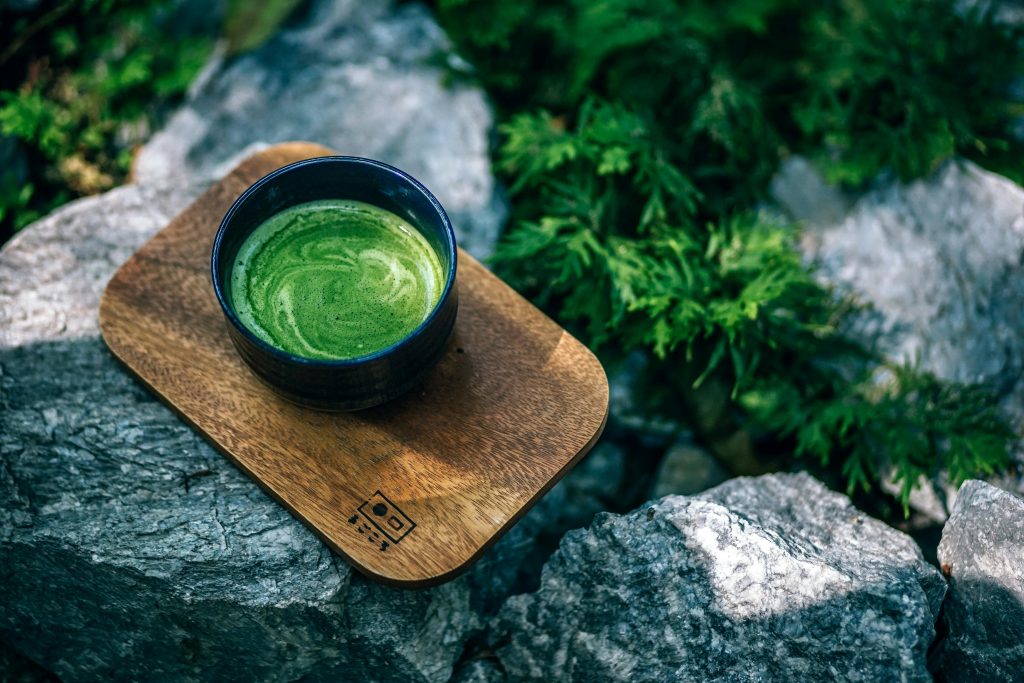
How to Make Traditional Japanese Green Tea at Home
Japanese green tea isn’t just a beverage; it’s a window into Japan’s rich culture and history. For learners of the Japanese language and culture, mastering how to make traditional Japanese green tea at home offers a unique way to connect deeply with the culture, practice vocabulary, and even enjoy a calming daily ritual.
This article will guide you through the cultural significance, essential vocabulary, and the step-by-step process to brew perfect Japanese green tea at home. Whether you’re a beginner or advanced learner, you’ll find practical examples, usage scenarios, and interactive exercises to enhance your learning experience.
The Cultural Significance of Japanese Green Tea
Green tea (緑茶, りょくちゃ, ryokucha) is embedded in Japanese daily life and ceremonies. The tea ceremony, known as 茶道 (さどう / ちゃどう, sadō / chadō), is a formal ritual emphasizing harmony, respect, purity, and tranquility.
Even outside formal settings, enjoying a cup of green tea symbolizes hospitality and mindfulness. Understanding this culture enriches your appreciation and motivates your language study.
Key Vocabulary for Japanese Green Tea
| Japanese | Furigana | Romaji | Meaning |
|---|---|---|---|
| 緑茶 | りょくちゃ | ryokucha | Green tea |
| 抹茶 | まっちゃ | matcha | Powdered green tea used in ceremonies |
| 茶碗 | ちゃわん | chawan | Tea bowl |
| 急須 | きゅうす | kyūsu | Teapot (usually small for green tea) |
| 茶葉 | ちゃば | chaba | Tea leaves |
| 湯 | ゆ | yu | Hot water |
| 茶筅 | ちゃせん | chasen | Bamboo whisk (for matcha) |
| 茶道 | さどう / ちゃどう | sadō / chadō | Tea ceremony |
| 一服 | いっぷく | ippuku | A cup of tea (also means a short break) |
| 抽出 | ちゅうしゅつ | chūshutsu | Extraction (of tea flavor) |
Step-by-Step: How to Make Traditional Japanese Green Tea
Materials Needed:
- Green tea leaves (茶葉 / ちゃば / chaba) or matcha powder
- Kyūsu (急須 / きゅうす) teapot or tea bowl (茶碗 / ちゃわん) for matcha
- Hot water (~70-80°C for sencha, 80-90°C for gyokuro)
- Tea strainer (if needed)
- Chasen (茶筅 / ちゃせん) bamboo whisk for matcha
1. Prepare the Water (お湯を準備する)
Heat water but don’t boil it. Ideal temperature varies:
- Sencha: around 70-80°C
- Gyokuro (premium): 50-60°C
Boiling water extracts bitterness; lower temperature enhances sweetness.
2. Measure Tea Leaves (茶葉を量る)
Use about 2 grams (1 teaspoon) of tea leaves per cup (120 ml).
3. Pour Hot Water (お湯を注ぐ)
Pour the water gently over the tea leaves in the kyūsu.
4. Steep the Tea (抽出する)
Let it steep for 1–2 minutes for sencha, longer for gyokuro (up to 3 minutes).
5. Pour and Serve (注いで、飲む)
Pour into cups evenly to balance flavor.
For Matcha (抹茶の淹れ方):
- Sift 1-2 teaspoons of matcha powder into the tea bowl (茶碗).
- Add 60-70 ml hot water (~75°C).
- Whisk briskly in a zig-zag motion with a chasen (茶筅) until frothy.
Practical Example Dialogue
You: 「お茶を淹れましょうか?」
(Ocha o iremashou ka?)
“Shall I make some tea?”
Friend: 「はい、お願いします。緑茶が好きです。」
(Hai, onegaishimasu. Ryokucha ga suki desu.)
“Yes, please. I like green tea.”
Key Challenges to Watch Out For
- Temperature control is crucial; too hot water causes bitterness.
- Knowing differences between tea types (煎茶 / せんちゃ / sencha vs 抹茶 / matcha).
- Pronunciation of tea-related vocabulary can be tricky.
Case Study: Hana’s Journey Learning Tea and Language
Hana, a language learner, began making green tea daily to practice vocabulary and pronunciation. Through this hands-on ritual, she memorized terms like 急須 (kyūsu), 茶葉 (chaba), and 茶筅 (chasen). It helped her feel connected to Japanese culture and gave her confidence when visiting tea shops in Japan.
Study Challenge: Host a Tea-Making Session
- Gather a few Japanese learners or friends.
- Assign roles: one person reads instructions, others prepare the tea.
- Use key vocabulary aloud.
- Share impressions using simple Japanese sentences like 「美味しい!」 (Oishii! – Delicious!) or 「少し苦いです」 (Sukoshi nigai desu – A bit bitter).
Recommended Resources
- Book: The Book of Tea by Kakuzo Okakura
- YouTube: “Japanese Tea Ceremony” channels for visual guides
- App: HelloTalk – Practice tea-related conversation with natives
- Tea Shops: Visit local Japanese tea stores or online for authentic supplies
Conclusion & Call to Action
Mastering how to make traditional Japanese green tea is more than a cooking skill; it’s a cultural and linguistic journey. With this guide, practice both language and tea-making, and deepen your connection to Japan.
Want personalized coaching to improve your Japanese and explore authentic culture? Contact our team to join workshops and live immersive experiences in Japan!

