
Introduction
Japanese fashion has always moved in cycles—bold experimentation followed by quiet reinvention. While some iconic J-fashion sub-styles faded from the spotlight in the 2010s, many are now making a strong comeback, driven by nostalgia, social media, thrift culture, and a renewed interest in self-expression.
This beginner-friendly guide explores:
- Which J-fashion styles are returning
- Why they’re popular again
- What defines each look
- Key Japanese fashion vocabulary you’ll see online and in shops
👗 What Is J-Fashion? (Quick Overview)
J-fashion refers to fashion movements that originated in Japan—especially Tokyo—and emphasize:
- Individuality over trends
- Subculture identity
- Mixing cute, cool, dark, and playful elements
Many of these styles developed in neighborhoods like Harajuku, becoming global inspiration points.
🎀 Decora: Maximalism Is Back
🌈 What Is Decora?
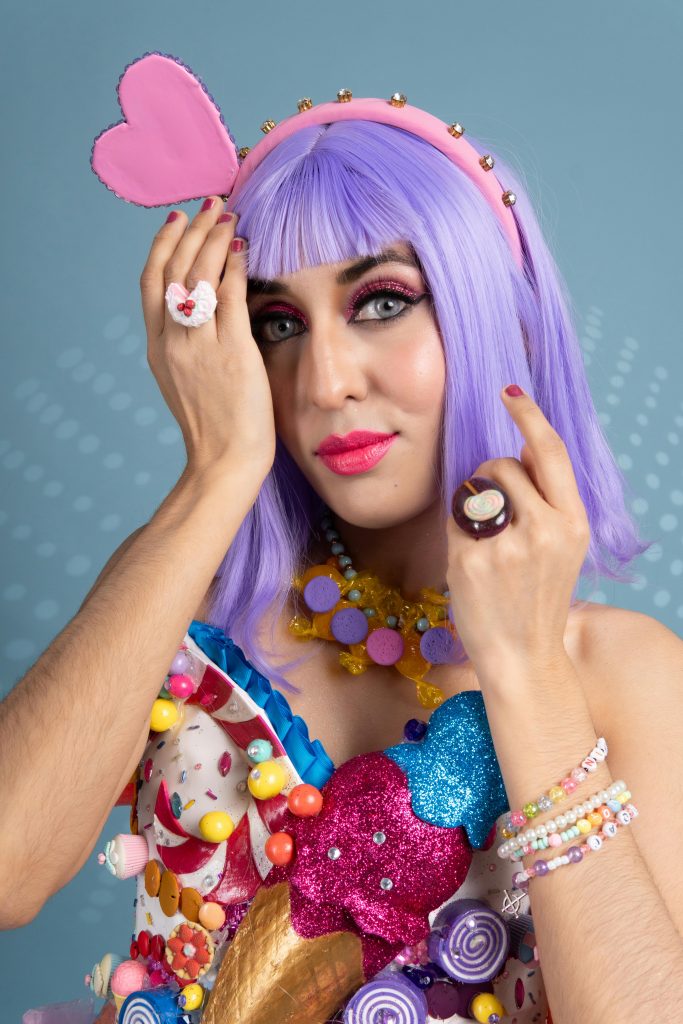
Decora fashion is colorful, playful, and accessory-heavy.
Typical features:
- Bright colors
- Hair clips, pins, toys
- Layered socks and skirts
- Cute characters
🔄 Why It’s Back
- TikTok & Instagram visuals
- Y2K nostalgia
- Rejection of minimalist “sad beige” fashion
Decora today is often cleaner and more intentional, mixing nostalgia with modern silhouettes.
🖤 Visual Kei: A Softer Revival
🎸 What Is Visual Kei?
Originally tied to rock bands, Visual Kei blends:
- Dramatic makeup
- Androgynous style
- Dark, theatrical clothing
🔄 Modern Update
Today’s revival is:
- Less extreme
- Gender-fluid
- Influenced by Korean and global alt fashion
You’ll see Visual Kei elements in streetwear, makeup, and stage fashion rather than full costumes.
💄 Gyaru: Reinvented for a New Generation
🌴 What Is Gyaru?
Once known for:
- Tanned skin
- Bold makeup
- Blonde hair
🔄 How It Changed
Modern gyaru:
- Softer makeup
- Natural skin tones
- Focus on confidence rather than shock
This “neo-gyaru” movement reframes the style as empowering, not rebellious.
🌿 Mori Girl: Quiet Fashion Returns
🍃 What Is Mori Girl?
Mori girl fashion is inspired by a “forest girl” aesthetic:
- Earth tones
- Loose silhouettes
- Natural fabrics
🔄 Why It’s Popular Again
- Cottagecore influence
- Slow fashion movement
- Mindfulness & comfort trends
Mori girl appeals to people seeking calm, softness, and simplicity in contrast to fast fashion.
🎎 Kimono-Inspired Streetwear
👘 Traditional Meets Modern
Modern designers and thrift stylists are blending:
- Kimono sleeves
- Obi-inspired belts
- Traditional patterns
…into everyday outfits.
🔄 Why It Works
- Sustainability (upcycling vintage kimono)
- Cultural pride
- Unique silhouettes
This trend bridges heritage and street fashion.
🧢 Techwear × J-Fashion Influence
While techwear is global, Japanese styling adds:
- Layering
- Utility details
- Minimalist color palettes
This crossover reflects modern urban life—functional, stylish, and adaptable.
🧠 Why These Styles Are Returning
Several forces are driving the comeback:
Nostalgia cycles (Y2K, 2000s revival)
Social media visibility
Thrift & resale culture
Desire for identity-based fashion
Rejection of “one-trend-fits-all”
Japanese fashion has always valued personal expression, making it perfectly suited for today’s era.
🧾 Key Japanese Fashion Vocabulary (Beginner)
| Japanese | Reading | Meaning |
|---|---|---|
| 服 | ふく | Clothes |
| おしゃれ | おしゃれ | Fashionable |
| 流行 | りゅうこう | Trend |
| 原宿 | はらじゅく | Harajuku |
| 個性 | こせい | Individuality |
| 可愛い | かわいい | Cute |
| 黒 | くろ | Black |
| 派手 | はで | Flashy |
You’ll see these words often in fashion posts and stores.
🎯 What J-Fashion’s Comeback Means
The revival of J-fashion sub-styles shows that:
- Trends don’t disappear—they evolve
- Fashion can be playful and personal
- Japanese street style still influences the world
Today’s J-fashion blends nostalgia, sustainability, and modern values, making it more accessible and expressive than ever.
📘 Want to Learn Japanese Through Culture & Trends?
Our 4 free beginner Japanese lessons combine real language with pop culture, daily life, and modern Japan.

