
How Volcanoes Shape Japan: Language, Land, and Life
Introduction: Why Volcanoes Matter in Japan
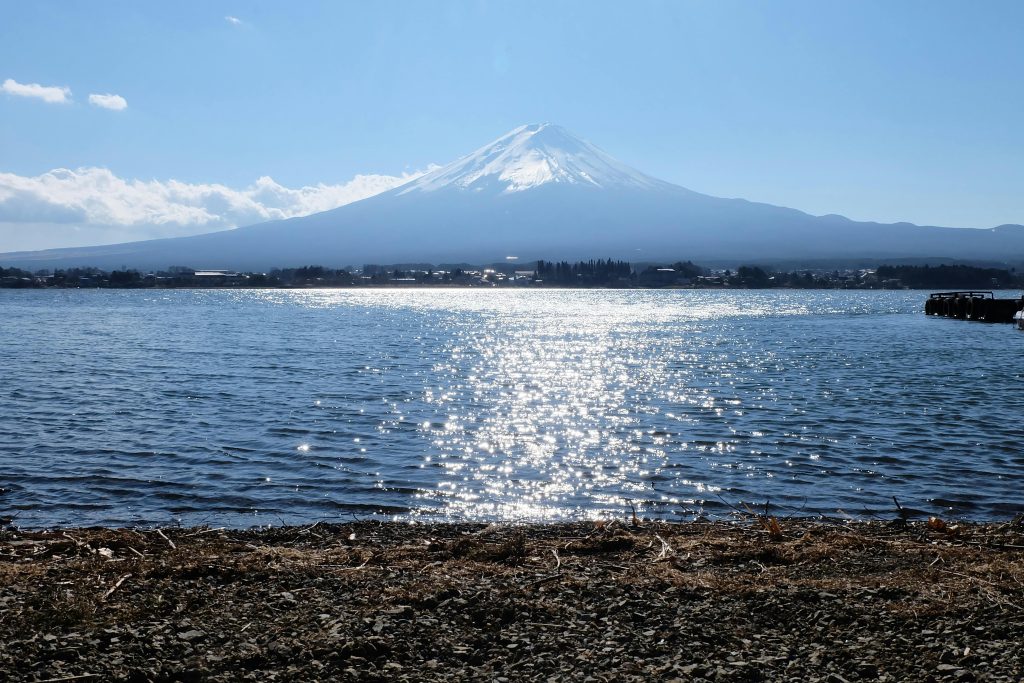
Picture yourself soaking in a steaming onsen with snow-capped Mount Fuji in the distance, or hiking through lush valleys shaped by ancient eruptions. Japan’s volcanic activity is not just a force of nature—it’s a defining feature of the country’s geography, culture, and daily life. Understanding volcanoes will help you appreciate Japanese traditions, language, and even the foods you eat. Let’s explore how volcanoes have shaped Japan’s land and spirit!
Key Concepts: Volcanoes and Japan’s Geography
Japan sits on the Pacific “Ring of Fire,” a region with intense tectonic activity. This means:
- Over 100 active volcanoes (火山, かざん, kazan)
- Frequent earthquakes (地震, じしん, jishin)
- Abundant hot springs (温泉, おんせん, onsen)
- Fertile volcanic soil for farming
Famous Japanese Volcanoes
| Name | Kanji (漢字) | Furigana (ふりがな) | Romaji | Region | Key Features |
|---|---|---|---|---|---|
| Mount Fuji | 富士山 | ふじさん | Fuji-san | Honshu | Iconic, highest in Japan |
| Sakurajima | 桜島 | さくらじま | Sakurajima | Kyushu (Kagoshima) | Very active, frequent eruptions |
| Mount Aso | 阿蘇山 | あそさん | Aso-san | Kyushu | World’s largest caldera |
| Unzen | 雲仙岳 | うんぜんだけ | Unzen-dake | Kyushu (Nagasaki) | Historic eruptions |
How Volcanoes Shape the Land
1. Mountains and Valleys
- Volcanic eruptions form Japan’s dramatic peaks and deep valleys.
- Many famous mountains are volcanoes—Fuji, Aso, Asama.
- Volcanic soil (火山灰, かざんばい, kazanbai) is rich and supports rice and tea farming.
2. Hot Springs and Onsen Towns
- Geothermal activity creates thousands of hot springs.
- Onsen culture is central to Japanese relaxation and health.
- Towns like Beppu (別府, べっぷ, Beppu) and Hakone (箱根, はこね, Hakone) are famous for their baths.
3. Unique Landscapes
- Caldera lakes, lava fields, and volcanic islands (伊豆諸島, いずしょとう, Izu Shotō).
- Black sand beaches and dramatic coastlines.
Example Sentences
- 日本には活火山がたくさんあります。
(にほんには かつかざんが たくさん あります。)
Nihon ni wa katsukazan ga takusan arimasu.
“There are many active volcanoes in Japan.” - 温泉は火山活動のおかげです。
(おんせんは かざんかつどうの おかげです。)
Onsen wa kazan katsudō no okage desu.
“We have hot springs thanks to volcanic activity.”
Cultural Context & Usage Scenarios
- Onsen Etiquette: Bathing in hot springs is a beloved tradition, with rules for cleanliness and relaxation.
- Disaster Preparedness: Japanese people are taught to respect and prepare for volcanic eruptions and earthquakes from a young age.
- Festivals: Many local festivals celebrate volcanoes or give thanks for their blessings (e.g., Sakurajima Fire Festival).
Real-World Example
When student Kenji visited Kyushu, he was amazed by the constant plume from Sakurajima. Locals explained how they sweep volcanic ash daily and use it to grow sweet potatoes (さつまいも, satsumaimo). Kenji even tried a special “volcano onsen” where the water was naturally heated by the earth!
Key Challenges & How to Overcome Them
- Kanji Complexity: Volcano-related words use specialized kanji.
- Natural Disasters: Understanding safety language and alerts is essential.
- Regional Vocabulary: Each area has unique terms for volcanic features and onsen.
Tips
- Practice reading volcano and disaster kanji with flashcards.
- Watch Japanese news or weather reports for real-world listening practice.
- Visit onsen towns (virtually or in person) to experience the culture.
Vocabulary List
| English | Kanji | Furigana | Romaji | Definition |
|---|---|---|---|---|
| Volcano | 火山 | かざん | kazan | Volcano |
| Eruption | 噴火 | ふんか | funka | Eruption |
| Ash | 灰 | はい | hai | Ash |
| Hot spring | 温泉 | おんせん | onsen | Hot spring |
| Caldera | カルデラ | かるでら | karudera | Caldera |
| Disaster | 災害 | さいがい | saigai | Disaster |
| Active volcano | 活火山 | かつかざん | katsukazan | Active volcano |
| Soil | 土壌 | どじょう | dojō | Soil |
| Lava | 溶岩 | ようがん | yōgan | Lava |
| Island | 島 | しま | shima | Island |
| Plume | 噴煙 | ふんえん | fun’en | Volcanic plume |
Practical Examples in Context
- 桜島は今も噴火しています。
(さくらじまは いまも ふんかしています。)
Sakurajima wa ima mo funka shiteimasu.
“Sakurajima is still erupting.” - 火山灰で畑が肥えます。
(かざんばいで はたけが こえます。)
Kazanbai de hatake ga koemasu.
“Volcanic ash makes the fields fertile.”
Case Study: Living with Volcanoes
In Kagoshima, residents have adapted to life with Sakurajima’s constant eruptions:
- Schoolchildren carry helmets and wear white shirts (to spot ash).
- Ash cleanup is a daily chore.
- Tourism thrives on volcano sightseeing and onsen resorts.
Recommended Resources
- NHK Easy News (for current volcanic activity and disaster news)
- JapanesePod101 (nature and disaster vocabulary lessons)
- YouTube: “Only in Japan” and “Abroad in Japan” (volcano and onsen travel vlogs)
- Jisho.org (dictionary for volcano-related words)
- Japan Meteorological Agency (for real-time volcano info in Japanese)
Practice Exercises
1. Kanji Matching
Match the kanji to the English word:
- 火山 (____)
- 噴火 (____)
- 灰 (____)
- 温泉 (____)
2. Fill in the Blank
Translate and fill in:
- “Mount Fuji is a famous volcano.”
(富士山は有名な____です。) - “There are many hot springs in Japan.”
(日本には____がたくさんあります。)
3. Write a Short Paragraph
Describe how volcanoes have shaped a region in Japan using at least three vocabulary words from the list. Include kanji, furigana, and romaji.Study Challenge: Volcanic Diary
For one week, keep a diary of news or facts about Japan’s volcanoes. Each day, write a sentence in Japanese about a volcano, eruption, or onsen you learned about. Example:
- 昨日、阿蘇山について勉強しました。
(きのう、 あそさんについて べんきょうしました。)
“Yesterday, I learned about Mount Aso.”
Share your diary with a language partner or teacher for feedback!
Action Steps
- Review the vocabulary and example sentences daily.
- Watch a Japanese documentary about volcanoes or hot springs.
- Complete the practice exercises and study challenge.
- Explore Japanese news sites for current volcanic activity.
- Contact our team for more learning tips or opportunities to visit, work, or live in Japan!
Ready to Explore Japan’s Fiery Heart?
Japan’s volcanic activity is more than a natural phenomenon—it’s a source of beauty, challenge, and inspiration. By learning about volcanoes, you’ll deepen your language skills and cultural understanding. Keep exploring, stay curious, and let the power of nature inspire your Japanese journey. If you want more resources or are interested in experiencing Japan firsthand, contact our team for personalized support!
Click here to learn more about Japanese vocabulary
Disclaimer: This article is for educational purposes. For travel, study, or work guidance, please contact our team for up-to-date information and support.

