
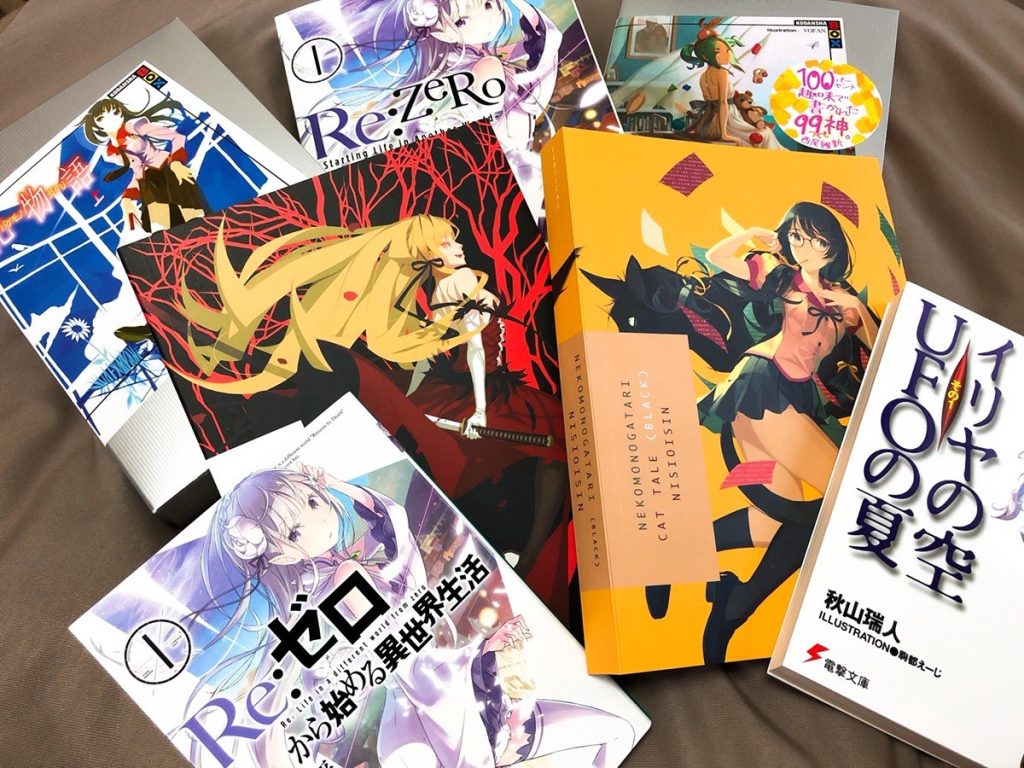
Why Light Novels Are a Hidden Gem for Japanese Learners
If you’ve ever wished that learning Japanese could feel more like a hobby and less like a task, then let me introduce you to your next obsession: Japanese light novels (ライトノベル).
These books are:
- Compact
- Full of dialogue
- Often illustrated
- And packed with everyday Japanese—plus a dash of fantasy, action, or romance.
Light novels aren’t just entertaining—they’re one of the most effective tools for Japanese learners, especially at the upper-beginner to intermediate level.
Focus keyphrase in action: Reading Japanese light novels gives learners exposure to natural sentence structure, idiomatic expressions, and cultural references—all while staying engaged in a compelling story.
What Are Japanese Light Novels?
Light novels are short, fast-paced Japanese books targeted mainly at young adults. They’re typically:
- Around 40,000–50,000 words
- Written in simple, modern Japanese
- Often adapted into anime, manga, or drama CDs
These books usually feature:
- Everyday conversational Japanese
- First-person narration (great for grammar practice!)
- Furigana (ふりがな) to help with kanji reading
They’re the perfect bridge between manga and adult novels.
Vocabulary List
| Japanese | Kana | Romaji | Meaning |
|---|---|---|---|
| 異世界 | いせかい | isekai | Another world (fantasy setting) |
| 勇者 | ゆうしゃ | yūsha | Hero |
| 魔法 | まほう | mahō | Magic |
| 学園 | がくえん | gakuen | School (academic setting) |
| 恋愛 | れんあい | ren’ai | Romance/love relationship |
| 主人公 | しゅじんこう | shujinkō | Main character/protagonist |
| 冒険 | ぼうけん | bōken | Adventure |
| 能力 | のうりょく | nōryoku | Ability or power |
| 成長 | せいちょう | seichō | Growth or personal development |
| 仲間 | なかま | nakama | Companion/friend (within a team) |
Note: These terms are everywhere in light novels. Learning them helps you predict plot structure and builds your reading confidence.
Real-World Usage: Why It Works for Language Learning
1. Context-Rich Repetition
You’ll see certain words (like “魔法” or “仲間”) appear again and again in slightly different ways. This reinforces your memory without drilling.
2. Grammar in Action
For example, common grammar points like:
- 〜てしまう (to finish/do accidentally)
例: 魔法を使ってしまった。
I accidentally used magic. - 〜ようにする (try to…)
例: 強くなれるように努力する。
I try to become stronger.
are frequently found in character inner monologues.
3. Natural Dialogue
Characters speak in casual Japanese, so you’ll learn things like:
- Sentence-ending particles (よ, ね, な)
- Gendered speech (e.g., “boku” vs. “watashi” vs. “ore”)
- Reaction words like うそ!(No way!), まじで?(Seriously?)
Cultural Insight: The World of Light Novels
Light novels often reflect or exaggerate aspects of Japanese youth culture, including:
- Exam pressure and school life
- Otaku culture and fandoms
- Japanese mythology and folklore
- Senpai-kōhai (先輩・後輩) relationships
Understanding these themes gives you insight into how Japanese people think, speak, and dream.
Common Challenges and How to Overcome Them
| Challenge | Solution |
|---|---|
| Too many unknown kanji | Use digital readers like Kindle with built-in dictionaries |
| Long paragraphs | Skim for dialogue first to get the context |
| Cultural references | Pause and Google terms or use resources like Jisho.org |
| Staying consistent | Start with 1–2 pages a day. Build the habit slowly. |
Real Learner Story: Sofia’s “Reading Level-Up”
Sofia, a high school student from Germany, started with Re:Zero kara Hajimeru Isekai Seikatsu. At first, she could only understand 50% of what she read. But she stuck with it—using Kindle’s furigana tool and taking notes. After 3 months, she noticed huge improvements in her reading speed and even began writing her own light novel-style fanfic in Japanese!
Recommended Light Novels for Beginners
| Title | Japanese Title | Why It’s Good |
|---|---|---|
| よつばと! (Yotsuba&!) | N/A | Light text, slice-of-life vocabulary |
| キノの旅 (Kino no Tabi) | The Journey of Kino | Simple grammar, episodic structure |
| はたらく魔王さま! (Hataraku Maou-sama!) | The Devil is a Part-Timer! | Everyday language + fantasy |
| 魔法科高校の劣等生 (Mahōka Kōkō no Rettōsei) | The Irregular at Magic High School | School setting + structured dialogue |
| Re:ゼロから始める異世界生活 | Re:Zero – Starting Life in Another World | Repetitive patterns, rich vocabulary |
Practice Exercises
Write Your Own Light Novel Opening
Use this starter and build your own paragraph:
目を覚ますと、そこは____だった。
_When I woke up, I was in ______.
Try using at least 3 of the vocabulary words from earlier!
Daily Reading Challenge
- Read 1–2 pages of your light novel
- Highlight 5 new words
- Write one sentence using each in your own voice
- Reread the same passage the next day for better comprehension
7-Day Study Challenge: Light Novel Sprint
Day 1: Choose a light novel & read 1 page
Day 2: Identify 5 new words and add to flashcards
Day 3: Listen to the audiobook or anime adaptation
Day 4: Write a journal entry in the style of the protagonist
Day 5: Read 2 more pages and highlight grammar patterns
Day 6: Try to retell the story in Japanese to a friend or teacher
Day 7: Review all notes and reflect on your growth
Conclusion & Call to Action
Japanese light novels are fun, accessible, and incredibly effective for improving reading, vocabulary, and cultural understanding. With relatable characters and binge-worthy plots, they make studying feel like play.
By diving into Japanese light novels, you’re not just learning words—you’re living in the language.
Here’s What to Do Next:
- Choose your first light novel from the list above
- Set a simple daily reading goal (even 5 minutes counts!)
- Share your favorite quotes or new words on social media
- Consider joining a Japanese reading group or book club online
Want to take your learning even further? Contact our team(info@mynihongosensei.com) to learn about study programs, live-in language exchanges, and immersive experiences in Japan. We’ll help you bring your Japanese to life.
Disclaimer
This article is for educational purposes and intended for Japanese language learners. Light novel content may vary in complexity, genre, and appropriateness. Please choose age-appropriate material based on your comfort level.

