
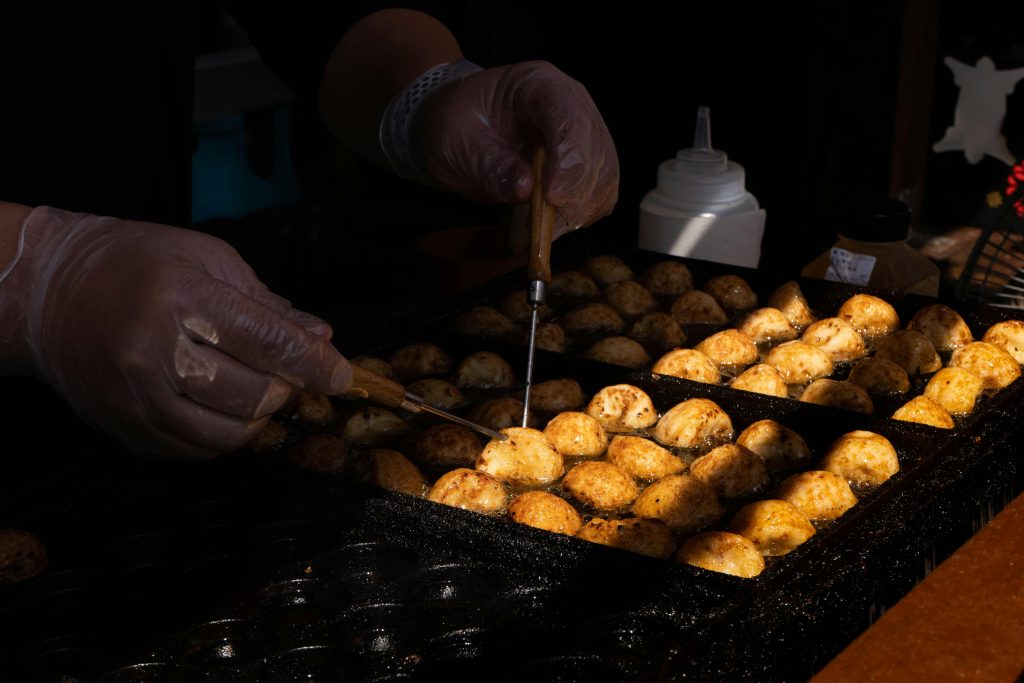
The Best Japanese Snacks and Their Unique Flavors
Have you ever wondered why Japanese snacks are so uniquely flavorful and culturally rich? From tangy rice crackers to melting matcha treats, exploring Japanese snacks unique flavors is an irresistible and effective way to build your Japanese language and cultural understanding.
In this guide, we’ll introduce some of Japan’s most beloved snacks, share the vocabulary you need to talk about them, and give you practical ways to incorporate them into your Japanese self-study journey. Ready for a flavorful learning adventure?
Why Japanese Snacks Are Perfect for Language Learning
- Compact language bites: Snack names often include descriptive words that reinforce vocabulary.
- Cultural storytelling: Each snack reflects regional specialties or seasonal ingredients—perfect for cultural context.
- Sensory vocabulary: You learn words for taste (甘い / amai, salty 塩っぱい / shioppai, sour 酸っぱい / suppai, spicy 辛い / karai).
- Everyday immersion: These snacks appear in convenience stores, train station kiosks, gift shops, making vocabulary practical and widespread.
Must-Try Japanese Snacks and Terms
Here’s a curated list of popular Japanese snacks, their descriptions, and essential words to know.
| Snack | Kanji & Furigana | Romaji | Flavor & Description |
|---|---|---|---|
| Senbei | 煎餅 (せんべい) | senbei | Crunchy rice cracker, savory or sweet |
| Dagashi | 駄菓子 (だがし) | dagashi | Cheap candies & small snacks |
| Manjū | 饅頭 (まんじゅう) | manjū | Sweet bun with fillings like red bean |
| Pocky | – | pokkī | Biscuit stick coated in chocolate, matcha |
| Calbee Potato Chips | – | karubī poteto chippusu | Unique flavors like seaweed & soy sauce |
| KitKat (regional) | – | kitto katto | Seasonal flavors: sakura, wasabi, matcha |
| Mochi | 餅 (もち) | mochi | Soft rice cake; e.g., Daifuku with fruit |
| Umaibo | うまい棒 | umaibō | Puff corn snack in cheesy or corn potage |
| Taiyaki | 鯛焼き (たいやき) | taiyaki | Fish-shaped pancake w/ sweet filling |
| Wasabi Nori | わさび海苔 (のり) | wasabi nori | Nori seaweed seasoned with wasabi |
Cultural Context & Snack Stories
- Regional pride: In Hokkaido you might find lavender KitKat; in Kyushu try sweet potato mochi.
- Seasonal love: Spring brings sakura-flavored snacks, while fall offers chestnut or purple sweet potato.
- Snack nostalgia: Dagashi shops harken back to childhood, offering affordable treats like ramune candy or popping gum.
Each snack tells a cultural story—discovering flavor is also discovering language.
Practice Your Japanese: Snack Description Exercise
Pick one snack from above and write three sentences in Japanese:
- What it is and how it tastes
- When/where it’s eaten
- Whether you like it (e.g., 大好き, まあまあ, or ちょっと苦手)
Example:
「たいやきは冬に人気の魚形の和菓子です。中に甘いあんこが入っています。私は大好きです!」
Key Challenges to Keep in Mind
- Kanji vs. Katakana: Snack packaging often mixes scripts, e.g. 煎餅 (kanji) and カルビー (katakana).
- Flavor nuance: Words like “甘じょっぱい” (amajoppai/sweet-salty) don’t translate simply.
- Regional naming: The same snack can have different local names—learning context is key.
Tip: Use flashcards with photos to connect flavor, vocabulary, and appearance.
Case Study: Anna’s Snack-Fueled Breakthrough
Anna, an intermediate learner living in Tokyo, made snack discovery part of her routine. She picked one snack a day, learned its name, flavor, and cultural background. Within two weeks, she could recognize regional packaging and discuss her favorites with friends—her confidence soared!
Study Challenge: The 7-Day Snack Vocabulary Quest
- Day 1: Senbei – learn 甘い/しょっぱい and packaging kanji.
- Day 2: Pocky – try a seasonal flavor and note packaging phrases like “季節限定”.
- Day 3: Dagashi – visit a Japanese candy store or online site.
- Day 4: KitKat – explore regional flavors and practice describing taste.
- Day 5: Mochi – buy daifuku and write about its texture.
- Day 6: Umaibo – watch a YouTube unboxing and note flavor names.
- Day 7: Create a vocabulary chart and write a snack review in Japanese!
Recommended Resources
- YouTube: “Ryoya’s Global Gourmet” features Japanese snack reviews
- App: “Tandem” to chat with native speakers about snacks
- Books: Ultimate Japanese Vocabulary Book includes food categories
- Websites: Calbee and KitKat Japan for limited flavors & press releases
Final Takeaways
- Japanese snacks offer rich opportunities to build language around everyday, enjoyable items.
- Know key vocabulary, flavor descriptors, and cultural context.
- Incorporate tasting into your study routine for memorable learning.
Call to Action
Want to take your Japanese learning to the next level with cultural immersion?
Contact us for tailored coaching, language snacks classes, or immersive programs in Japan—because fluency is best enjoyed with flavor!
Connect now to start your tasty journey toward Japanese fluency.

