
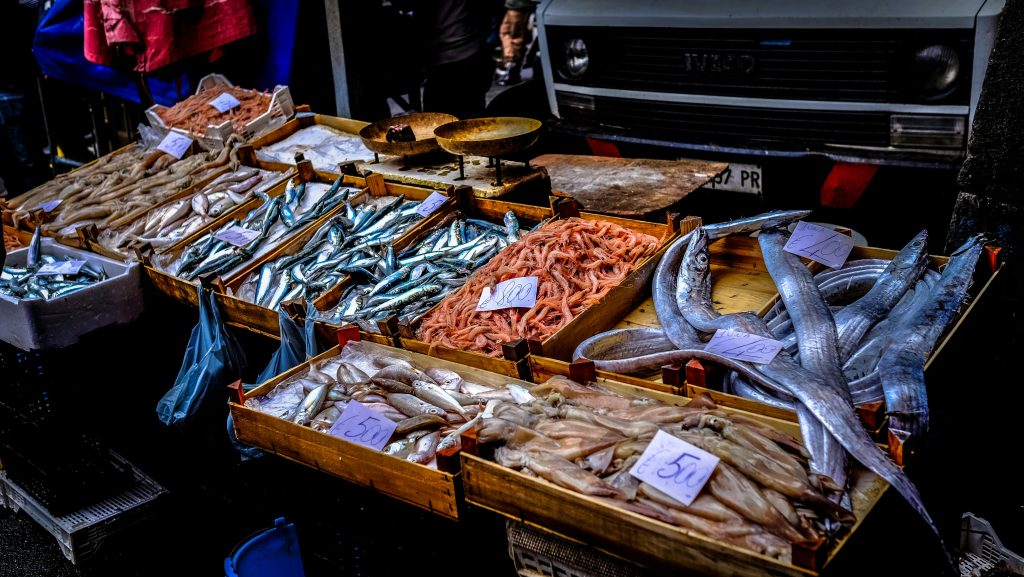
How to Navigate a Japanese Supermarket and Read Labels
Have you ever stood frozen in a Japanese supermarket aisle, staring at rows of mysterious packages, wondering:
Is this soy sauce or vinegar?
Is this pork or chicken?
Where’s the milk?!
If so, you’re not alone! Learning how to navigate a Japanese supermarket and read labels is a game-changing skill for learners living in or visiting Japan—and an incredibly practical way to build your kanji and vocabulary skills.
In this guide, we’ll walk you through a typical supermarket layout, introduce essential label-reading vocabulary (with kanji, furigana, and romaji), and give you cultural tips that will make your shopping trips smoother and more rewarding.
Why Learning to Shop in Japanese Matters
Navigating a Japanese supermarket does more than fill your fridge—it sharpens your reading comprehension, builds daily-use vocabulary, and gives you cultural insights you can’t get from a textbook.
Whether you’re traveling in Japan, living abroad, or just a curious learner, this real-world skill will:
- Improve your kanji recognition in context.
- Teach you food-related words and verbs.
- Help you avoid allergens and buy the right ingredients.
- Give you the confidence to interact with locals and ask for help.
Supermarket Layout: Know Where to Start
While every store is different, most Japanese supermarkets follow a similar layout:
Perimeter (Outer Aisles):
- Fresh produce (野菜 / やさい / yasai)
- Meat (肉 / にく / niku)
- Fish (魚 / さかな / sakana)
- Refrigerated goods (dairy, tofu, ready meals)
Center Aisles:
- Snacks (お菓子 / おかし / okashi)
- Condiments (調味料 / ちょうみりょう / chōmiryō)
- Packaged foods and sauces
- Instant noodles (インスタントラーメン)
Checkout Area:
- Bento boxes (弁当 / べんとう / bentō)
- Drinks (飲み物 / のみもの / nomimono)
- Magazines (雑誌 / ざっし / zasshi)
- Point cards, receipts, and eco-bag signs
Must-Know Vocabulary for Shopping
Here’s a list of practical words you’ll see again and again on signs, shelves, and labels.
| Kanji | Furigana | Romaji | Meaning |
|---|---|---|---|
| 牛乳 | ぎゅうにゅう | gyūnyū | Milk |
| 豆腐 | とうふ | tōfu | Tofu |
| 野菜 | やさい | yasai | Vegetables |
| 鶏肉 | とりにく | toriniku | Chicken |
| 牛肉 | ぎゅうにく | gyūniku | Beef |
| 魚 | さかな | sakana | Fish |
| 消費期限 | しょうひきげん | shōhikigen | Expiration date (consume-by) |
| 賞味期限 | しょうみきげん | shōmikigen | Best-before date |
| 半額 | はんがく | hangaku | Half-price (often at night) |
| 特売 | とくばい | tokubai | Special sale |
| 無添加 | むてんか | mutenka | Additive-free |
| 有機 | ゆうき | yūki | Organic |
Tip: Expiration labels are crucial!
- 消費期限 = Food that must be consumed by that date (e.g., meat, dairy)
- 賞味期限 = Food that tastes best by that date (e.g., snacks)
How to Read a Japanese Food Label
Let’s break down a typical packaged food label:
Example: Instant Curry Box Label
商品名(しょうひんめい / shōhinmei):
カレー 中辛 (karē chūkara) – Curry (Medium Spicy)
内容量(ないようりょう / naiyōryō):
200g – Net weight
原材料名(げんざいりょうめい / genzairyōmei):
Ingredients list
例: 玉ねぎ、にんじん、じゃがいも、豚肉、カレールウ
(Tamanegi, ninjin, jagaimo, butaniku, karē ruu)
Onions, carrots, potatoes, pork, curry roux
賞味期限(しょうみきげん / shōmikigen):
Best before: 2025年3月
保存方法(ほぞんほうほう / hozon hōhō):
Storage Instructions
例: 直射日光を避け、常温で保存してください。
(Avoid direct sunlight. Store at room temperature.)
アレルギー物質(あり / ari):
Contains allergens: 小麦、大豆 (komugi, daizu) – Wheat, soybeans
Cultural Considerations
- Bargain times: Many supermarkets discount bento and fresh food after 7:00 p.m. Look for stickers that say 半額!
- Bring a bag: Many stores now charge for plastic bags. You’ll see signs like:
「レジ袋は有料です」(Rejibukuro wa yūryō desu) – Plastic bags are charged. - Cash or card? Japan still leans heavily on cash. Learn to ask:
「カードは使えますか?」(Kādo wa tsukaemasu ka?) – Can I use a card?
Practice Task: Shopping List Translation
Translate the following shopping list into Japanese. Use kanji if you can!
- Milk
- Chicken thigh
- Tofu
- Carrots
- Soy sauce
- Ramen noodles
- Eggs
- Apples
Bonus: Try to write a sample dialogue using these:
A: 「すみません、この牛乳はどこですか?」
(Sumimasen, kono gyūnyū wa doko desu ka?)
Excuse me, where is this milk?
B: 「あちらの冷蔵コーナーにありますよ。」
(Achira no reizō kōnā ni arimasu yo.)
It’s in the refrigerated section over there.
Case Study: Tim’s Kanji Growth
Tim, an exchange student in Osaka, started shopping without help after just one month of learning kanji. “At first, I could only recognize 牛乳 and 鶏肉,” he said, “but after 3 weeks of regular trips, I could understand storage instructions and allergen labels. Now I even compare brands!”
His method?
- Take phone photos of signs and labels
- Use the Yomiwa app to look up kanji
- Keep a notebook of “Shopping Kanji of the Week”
Recommended Resources
- Yomiwa App (iOS/Android): Live kanji translation via camera
- Imiwa? (iOS): Offline Japanese dictionary with example sentences
- NHK Easy News: Look for articles on daily life topics (supermarkets often featured!)
- YouTube: “Abroad in Japan” supermarket tours
- Supermarket Flyers (チラシ): Check out online flyers for local stores like AEON, Seiyu, or Life
Study Challenge: Weekly Supermarket Kanji Hunt
- Visit a Japanese supermarket (in person or online).
- Pick 3 new food labels.
- Write down the kanji + furigana.
- Translate them, including ingredients and storage instructions.
- Share your findings with a language partner or online community.
Final Takeaways
- Reading labels and navigating supermarkets gives you practical language skills.
- Focus on real-world kanji, like food names, dates, and ingredients.
- Combine reading with speaking by practicing shopping dialogues.
Call to Action
Ready to read Japanese labels with confidence and connect with everyday culture?
Join our Japanese learning programs and gain practical fluency through real-world experiences—from supermarkets to street markets.
Contact us today for self-study coaching, cultural workshops, or immersive programs in Japan!
Click here to learn more about Japanese vocabulary.

