
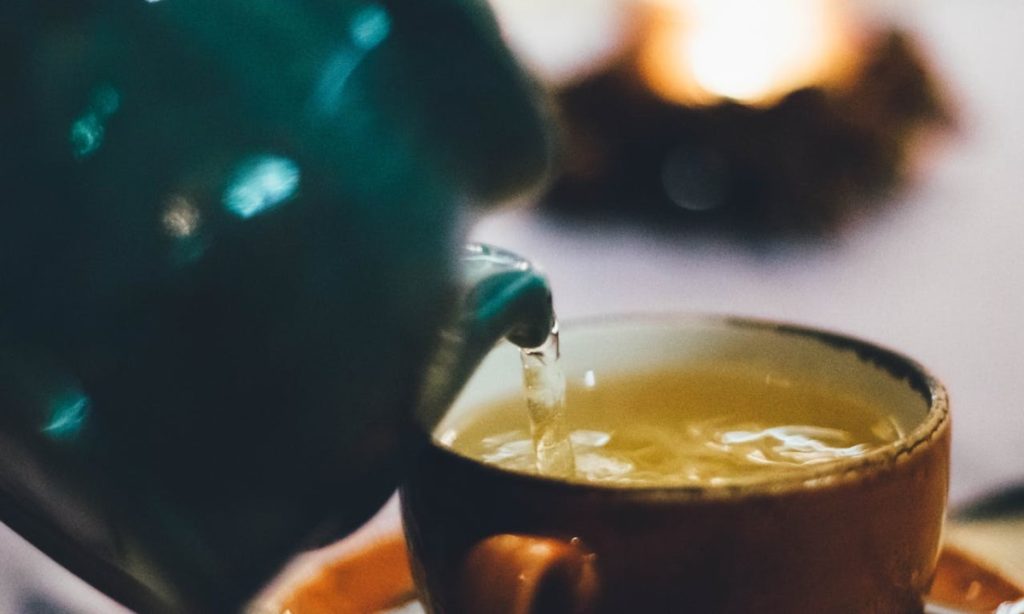
Discovering the Art of Japanese Tea
When you think of Japan, one of the first things that may come to mind is green tea. But did you know that Japan has a rich tea culture with many varieties beyond matcha?
From the grassy freshness of sencha (煎茶, せんちゃ) to the deep umami of gyokuro (玉露, ぎょくろ) and the nutty, roasted aroma of hojicha (ほうじ茶, ほうじちゃ), Japanese tea offers a wide range of flavors and health benefits.
In this guide, you’ll learn:
The different types of Japanese tea and their unique characteristics
How to properly brew each type of tea for the best taste
The cultural significance of tea in Japan
Key tea-related vocabulary in Japanese
By the end, you’ll be able to confidently choose, brew, and enjoy Japanese tea—whether at home or in a traditional tea house in Japan!
1. The History and Importance of Tea in Japan
Tea was introduced to Japan from China in the 9th century, but it was during the 12th century that Zen Buddhist monks began using matcha for meditation. Over time, tea became deeply integrated into Japanese culture, ceremonies, and daily life.
Today, Japanese tea is not only a beverage but also an art form, reflecting harmony, respect, purity, and tranquility—the core principles of the Japanese tea ceremony (茶道, さどう – Sadō).
Fun Fact: Japan’s most famous tea-growing regions include Shizuoka, Uji (Kyoto), and Kagoshima, each producing unique tea varieties with distinct flavors.
2. Different Types of Japanese Tea: Matcha, Sencha, and More
Japan is most famous for green tea (緑茶, りょくちゃ – Ryokucha), but there are several different varieties, each with its own taste, aroma, and brewing method.
1. Sencha (煎茶) – The Everyday Green Tea
Flavor: Fresh, grassy, slightly sweet
Caffeine Level: Moderate
Best For: Daily drinking
Sencha is Japan’s most common green tea. It is steamed immediately after picking to preserve its vibrant green color and prevent oxidation.
How to Brew Sencha
- Water Temperature: 70-80°C (158-176°F)
- Steeping Time: 1-2 minutes
- Tea-to-Water Ratio: 1 teaspoon per 150ml water
Key Tip: Using water that’s too hot will make sencha taste bitter!
2. Matcha (抹茶) – The Iconic Powdered Green Tea
Flavor: Rich, umami, slightly bitter
Caffeine Level: High
Best For: Tea ceremonies, lattes, desserts
Matcha is made from shade-grown tea leaves that are stone-ground into a fine powder. It’s whisked in hot water rather than steeped, making it one of the most unique Japanese teas.
How to Prepare Matcha
Sift 1 teaspoon of matcha into a tea bowl.
Add 70-80ml of hot water (not boiling).
Whisk briskly in a W motion until frothy.
💡 Key Tip: Ceremonial-grade matcha is best for drinking, while culinary-grade matcha is better for baking and lattes!
3. Gyokuro (玉露) – The Premium Shade-Grown Tea
Flavor: Deep umami, rich, sweet
Caffeine Level: High
Best For: Special occasions
Gyokuro is one of Japan’s most premium green teas, made from shade-grown leaves, giving it a uniquely sweet, rich umami flavor.
How to Brew Gyokuro
- Water Temperature: 50-60°C (122-140°F)
- Steeping Time: 2 minutes
- Tea-to-Water Ratio: 1 teaspoon per 100ml water
💡 Key Tip: Gyokuro is brewed at a much lower temperature than other teas to enhance its delicate sweetness.
4. Hojicha (ほうじ茶) – The Roasted Green Tea
Flavor: Nutty, caramel-like, toasty
Caffeine Level: Low
Best For: Evening relaxation, digestion
Unlike other green teas, hojicha is roasted over high heat, giving it a unique brown color and a smoky, caramel-like aroma.
How to Brew Hojicha
- Water Temperature: 90°C (194°F)
- Steeping Time: 30 seconds – 1 minute
- Tea-to-Water Ratio: 1 teaspoon per 150ml water
💡 Key Tip: Because it’s roasted, hojicha has less caffeine—making it a great tea for the evening!
3. Japanese Tea Culture & Etiquette
Tea is deeply connected to Japanese hospitality (おもてなし, おもてなし – Omotenashi) and traditional customs.
✅ Do: Hold the tea cup with both hands when drinking.
✅ Do: Say “いただきます (Itadakimasu)” before drinking as a sign of appreciation.
✅ Do: Enjoy the moment—tea is meant to be savored slowly.
❌ Don’t: Blow on the tea to cool it down—it’s considered impolite.
❌ Don’t: Rush through drinking tea, especially in a formal setting.
Key Fact: In a Japanese tea ceremony (茶道, Sadō), the host carefully prepares and serves matcha, and guests follow strict etiquette while drinking.
4. Challenge: Try Brewing a Japanese Tea at Home!
Beginner: Brew sencha using the correct water temperature.
Intermediate: Try making a perfect bowl of matcha.
Advanced: Compare gyokuro and sencha and note the flavor differences.
Conclusion: Enjoying Japanese Tea Like a Pro
Japanese tea is more than just a drink—it’s an experience, a tradition, and a way to connect with Japanese culture. Whether you love matcha, sencha, hojicha, or gyokuro, there’s a perfect tea for every moment.
Challenge: Try a new Japanese tea this week and take notes on its flavor!
Want to explore Japanese tea culture deeper? Contact us for tea workshops and guided tea experiences in Japan!
Click here for more articles related to Japanese language.
Disclaimer: Tea brewing methods may vary depending on tea brands and personal preference. Experiment to find what works best for you!

