
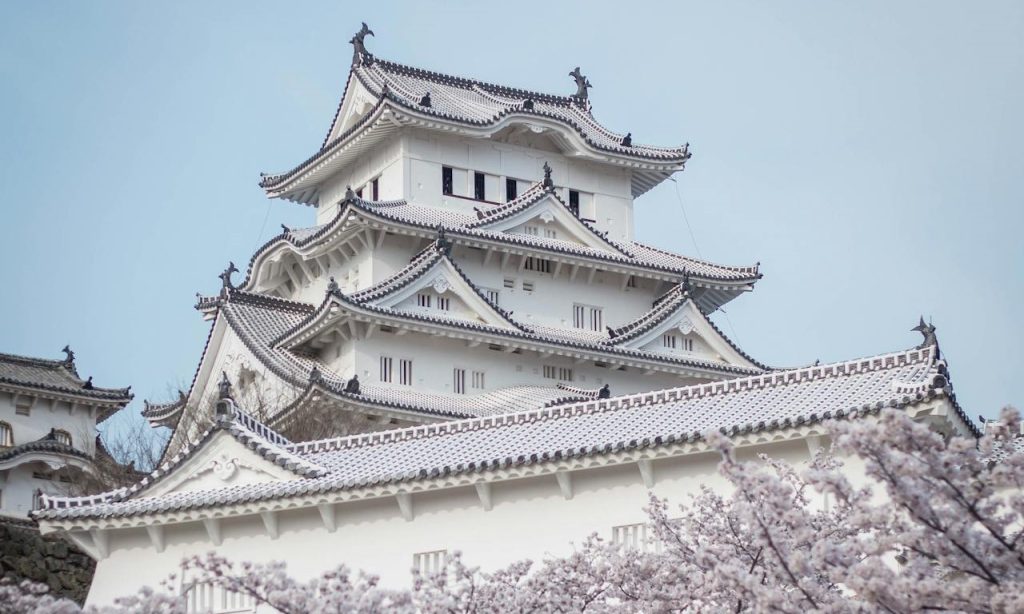
Introduction: Step into Japan’s Rich History through Its Most Famous Castles
Have you ever dreamed of walking through ancient fortresses once inhabited by samurai warriors, shoguns, and noble lords? Visiting Japan’s most famous castles offers an incredible way to immerse yourself in Japan’s vibrant history and culture, enhancing your Japanese language journey along the way. In this guide, you’ll learn essential travel tips, cultural etiquette, and key Japanese vocabulary that will empower you to explore these historical landmarks with confidence and enjoyment.
Key Concepts: Types of Japanese Castles
Japan’s castles (お城・おしろ・oshiro) are historically important structures featuring unique architecture. They served as fortresses, residences, and symbols of power.
Here are two major castle types you’ll encounter:
Original Castles (現存天守・げんぞんてんしゅ・genzon tenshu)
These castles maintain their original structures from centuries ago.
Examples:
- 姫路城 (ひめじじょう・Himeji-jō) – Himeji Castle, Hyogo
- 松本城 (まつもとじょう・Matsumoto-jō) – Matsumoto Castle, Nagano
Reconstructed Castles (復元天守・ふくげんてんしゅ・fukugen tenshu)
Modern reconstructions built to historical accuracy, often housing museums.
Examples:
- 大阪城 (おおさかじょう・Ōsaka-jō) – Osaka Castle
- 名古屋城 (なごやじょう・Nagoya-jō) – Nagoya Castle
Essential Vocabulary for Visiting Castles
- 城跡 (しろあと・shiroato) – Castle ruins
- 天守閣 (てんしゅかく・tenshukaku) – Castle main keep
- 城壁 (じょうへき・jōheki) – Castle walls
- 堀 (ほり・hori) – Moat
- 武士 (ぶし・bushi) – Samurai warrior
- 入場料 (にゅうじょうりょう・nyūjōryō) – Entrance fee
- 案内所 (あんないじょ・annaijo) – Information center
Cultural Context & Practical Usage
Japanese castles reflect samurai-era architecture, designed both for defense and symbolic authority. While visiting, you’ll notice carefully maintained gardens, moats, and stone walls reflecting centuries-old traditions.
Ticket Purchase Example Dialogue:
- Visitor: 入場料はいくらですか? (Nyūjōryō wa ikura desu ka?) – “How much is the entrance fee?”
- Staff: 大人600円です。(Otona roppyaku-en desu.) – “It’s 600 yen for adults.”
Common Challenges & How to Overcome Them
- Language Barrier: Signs or museum exhibits may have limited English.
- Crowded Attractions: Famous castles (like Himeji) can be busy during holidays.
Helpful Solutions:
- Prepare key vocabulary in advance, especially phrases about tickets and directions.
- Visit early or late in the day to avoid peak hours.
Case Study: Himeji Castle Visit (姫路城・Himeji-jō)
Himeji Castle, a UNESCO World Heritage Site, offers excellent multilingual support, making it a perfect starting point for learners. Use provided maps and audio guides to practice vocabulary:
- 「姫路城の天守閣に行きたいです。」
(Himeji-jō no tenshukaku ni ikitai desu.) – “I want to go to the main keep of Himeji Castle.”
Interactive Practice Exercises
Exercise 1: Match the Vocabulary
Match these castle terms with their meanings:
- 天守閣 (tenshukaku) → (C) Main castle keep
- 堀 (hori) → (A) Moat
- 城跡 (shiroato) → (B) Castle ruins
(Answers: tenshukaku-C, hori-A, shiroato-B)
Exercise 2: Useful Phrases Translation
Translate into Japanese:
- “Where is the information center?”
- 案内所はどこですか?(Annaijo wa doko desu ka?)
- “Is there an English guide?”
- 英語のガイドはありますか?(Eigo no gaido wa arimasu ka?)
7-Day Castle Exploration Challenge
- Day 1-2: Learn and memorize key castle-related vocabulary.
- Day 3: Watch a virtual tour of Himeji or Matsumoto Castle.
- Day 4: Practice dialogues for buying tickets and asking directions.
- Day 5-6: Plan your ideal itinerary visiting three famous castles.
- Day 7: Review all vocabulary and practice role-playing scenarios.
Recommended Resources
- Books:
- “Japanese Castles 1540–1640” (Osprey Publishing)
- Lonely Planet Japan Guidebook
- Websites:
- Japan-Guide.com (detailed castle guides and maps)
- Official Himeji Castle website (English/Japanese)
- Apps:
- Google Translate (for instant translation support)
- Duolingo Japanese (basic language exercises)
Conclusion & Call to Action
Visiting Japan’s most famous castles not only enriches your travel experience but also significantly enhances your understanding of Japanese language and culture. With this guide, you’re now equipped to confidently explore these historical treasures while practicing practical Japanese skills.
Dreaming about experiencing Japan firsthand? Contact our expert team today—we’re excited to help you find incredible opportunities to visit, study, work, or even live in Japan!
Click here for more articles related to Japanese language.
Disclaimer:
This article provides educational content to support your language learning and travel planning. Opening hours, entrance fees, and conditions at individual castles may vary, so always check official websites or sources before visiting.

