
Why Nature Is a Key to Understanding Japanese Language and Culture
Ever wondered why cherry blossoms, autumn leaves, and the sound of rain show up so often in Japanese literature, art, and even daily conversations?
That’s because nature in Japanese aesthetics is not just scenery—it’s a way of thinking, a cultural foundation, and even a language learning superpower.
Whether you’re studying Japanese to pass the JLPT, visit Japan, or simply connect with its traditions, understanding how nature shapes everyday Japanese life will help you read, speak, and feel the language on a whole new level.
Let’s dive into the concepts, the vocabulary, and the mindset that make nature such a beautiful and essential part of Japanese culture.
Key Concepts: Nature as Culture, Emotion, and Expression
Japanese culture has long treated nature not as a backdrop—but as a main character.
Here are some foundational concepts:
1. Wabi-sabi (侘寂 / わびさび)
A worldview that values imperfection, transience, and the quiet beauty found in nature’s decay—like fallen leaves or worn-out wooden temples.
Example: A cracked teacup with moss growing near it isn’t broken—it’s perfectly imperfect.
2. Mono no aware (物の哀れ / もののあわれ)
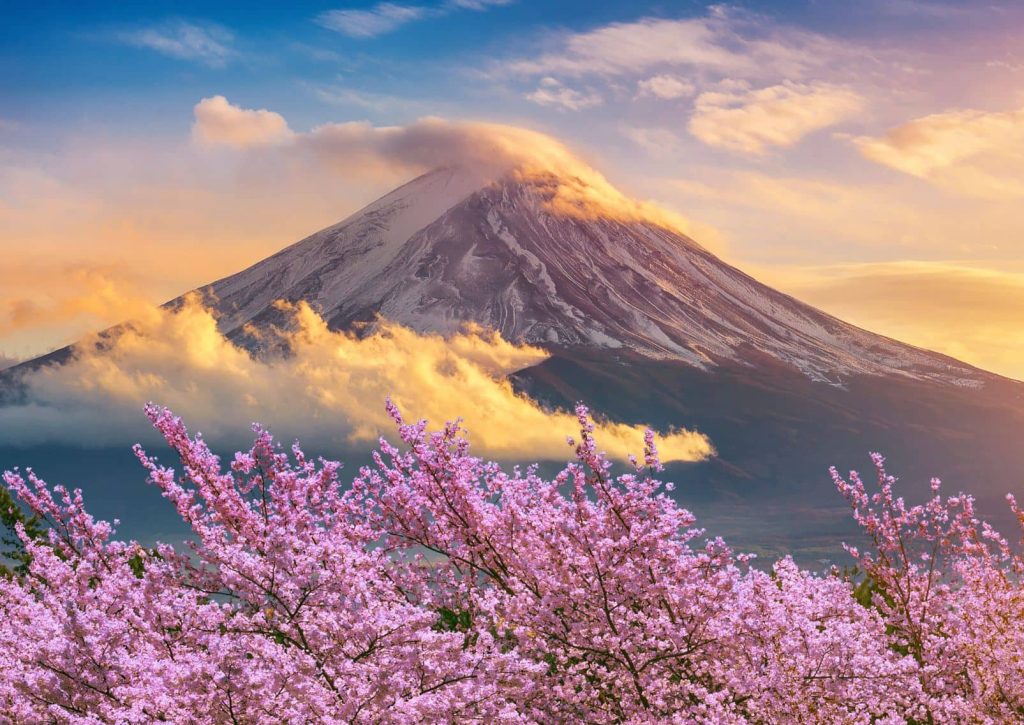
The bittersweet awareness of life’s fleeting nature, especially expressed through seasonal beauty like cherry blossoms that bloom and fall quickly.
This concept appears constantly in literature, anime, and poetry.
3. Shun (旬 / しゅん)
The idea of seasonal best—whether it’s food, weather, or experiences. Japanese culture is deeply tuned into what is “in season.”
Nature in Daily Life: More Than Just a Visual
You’ll see the influence of nature in areas like:
- Language & expressions
- Seasonal foods and festivals
- Haiku and classical poetry
- Architecture and interior design
- Shinto rituals and temple gardens
- Packaging and branding aesthetics
This connection also teaches respect, patience, and mindfulness—core values of Japanese daily life.
Vocabulary List:
| Kanji | Hiragana | Romaji | English | Usage Example |
|---|---|---|---|---|
| 桜 | さくら | sakura | Cherry blossom | 桜が満開です。(The cherry blossoms are in full bloom.) |
| 雨音 | あまおと | amaoto | Sound of rain | 雨音を聞きながら寝ました。(I fell asleep listening to the rain.) |
| 紅葉 | こうよう | kōyō | Autumn leaves | 京都の紅葉は有名です。(Kyoto’s fall colors are famous.) |
| 初雪 | はつゆき | hatsuyuki | First snow | 初雪が降りました。(The first snow has fallen.) |
| 朝日 | あさひ | asahi | Morning sun | 朝日がきれいでした。(The morning sun was beautiful.) |
| 風鈴 | ふうりん | fūrin | Wind chime | 風鈴の音が夏を感じさせる。(The sound of wind chimes makes you feel summer.) |
Tip: Many of these words appear in everyday conversation, product names, and even weather reports—pay attention and you’ll start recognizing them everywhere.
Cultural Practice: Nature in Japanese Traditions
Seasonal Awareness
Japan’s four seasons are carefully celebrated and observed, often through:
- 季語 (きご): Seasonal words used in haiku poetry
- 季節の挨拶 (きせつのあいさつ): Seasonal greetings in letters
- 年中行事 (ねんじゅうぎょうじ): Annual events like Hanami (cherry blossom viewing), Tsukimi (moon viewing), and Tanabata
Nature-Based Philosophy
In Shintoism, kami (神)—spirits—are believed to reside in natural objects like trees, rocks, rivers, and mountains.
This makes even everyday nature sacred and worthy of respect.
Practical Examples: How Nature Appears in Real Life Japanese
Expression in Language
- 「今日はいい天気ですね」(Nice weather today, isn’t it?)
- 「風が気持ちいいですね」(The breeze feels nice, doesn’t it?)
- 「桜の時期はもうすぐです」(Cherry blossom season is coming soon)
Media & Pop Culture
Many anime and films—from My Neighbor Totoro to Your Name—use nature to represent emotion, time, or nostalgia.
You’ll often hear seasonal vocabulary or notice background details like falling leaves or cicada sounds.
Challenges Learners Face (And How to Overcome Them)
| Challenge | Tip |
|---|---|
| Not recognizing seasonal kanji | Learn a few each season, grouped by month or weather |
| Literal translations feel confusing | Try to understand the feeling behind the word, not just its meaning |
| Can’t relate to natural references | Start observing your own environment with Japanese vocabulary in mind |
| Overwhelmed by poetic phrases | Read NHK Easy News weather reports or seasonal haiku with furigana |
Case Study: Olivia’s Seasonal Language Journal
Olivia, an intermediate learner from Canada, started keeping a seasonal “感覚 (kankaku / sensory)” journal where she wrote one nature-related sentence in Japanese every day.
Example entries:
- 「朝露が光っていた」(The morning dew sparkled)
- 「雪の匂いがした」(I smelled snow)
After 3 months, her vocabulary grew, and she found she could feel what seasonal phrases in Japanese meant—without needing to translate.
Practice Exercise: Create Your Seasonal Word Bank
Pick the current season where you live and:
- Go outside for 10 minutes
- Observe what you see, smell, feel, or hear
- Write 5 things in Japanese using simple phrases
Example:
- 「風が冷たい」(The wind is cold)
- 「虫の声が聞こえる」(I can hear insects)
- 「空が高い」(The sky feels high)
Keep adding to this list every week—by the end of the season, you’ll have a personal Japanese nature dictionary.
7-Day Nature Language Challenge
| Day | Task |
|---|---|
| Day 1 | Learn 5 seasonal words and write a haiku (5-7-5 in Japanese or romaji) |
| Day 2 | Watch a nature-themed Japanese video (try Shitsurei Shimasu, I Love You) |
| Day 3 | Write a diary entry describing the weather in Japanese |
| Day 4 | Read a Japanese poem or song with seasonal imagery |
| Day 5 | Go on a walk and describe what you see in Japanese |
| Day 6 | Learn a seasonal greeting and send it to a language partner |
| Day 7 | Review all new words and use them in a short self-introduction |
Final Thoughts: Let Nature Be Your Japanese Teacher
Nature in Japanese aesthetics is beautiful and deeply educational.
It teaches you rhythm, emotion, awareness, and expression—all essential parts of language learning.
When you tune into the seasons, the sounds, the textures—you start learning Japanese not just with your head, but with your whole heart.
So step outside. Breathe in. Say the season in Japanese. And let the natural world become your best teacher.
Call to Action
Want to deepen your connection with Japanese culture through nature and language?
Contact our team (info@mynihongosensei.com) for seasonal study programs in Japan, outdoor immersion language courses, or one-on-one coaching rooted in cultural learning.
Disclaimer
This blog is for educational purposes only. Always consult local professionals or licensed instructors before applying cultural concepts to formal studies or certifications.

