
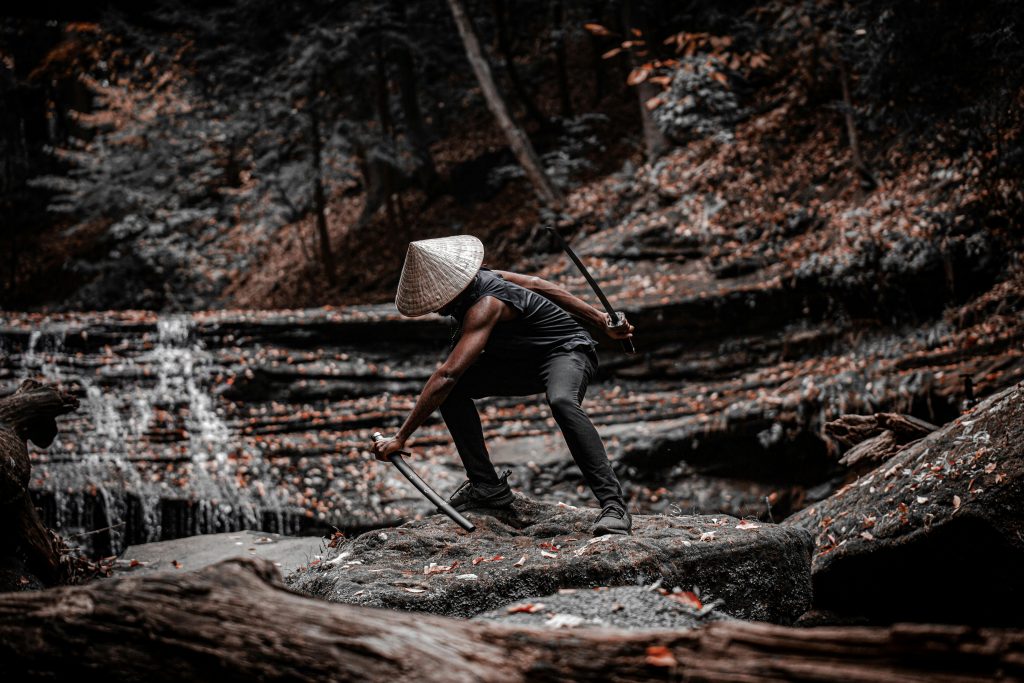
When people hear the word “ninja,” they picture shadowy assassins dressed in black, leaping across rooftops with incredible powers. Movies, anime, and video games have made ninjas one of Japan’s most famous cultural icons—but the real history of ninjas is very different.
So who were the real ninjas of Japan? What did they actually do? And how much of what we see in Hollywood is accurate?
This beginner-friendly guide explains the true origins of ninjas, how they lived, and how pop culture transformed them into legends.
🏯 1. Who Were the Real Ninjas?
The Japanese word for ninja is 忍者(にんじゃ), but historically they were called:
- 忍び(しのび)
- 忍びの者(しのびのもの)
Ninjas were specialized intelligence agents active mainly during the 15th–17th centuries (the Sengoku and early Edo periods).
✔ Their real roles included:
- Gathering information (spying)
- Infiltrating enemy territories
- Spreading misinformation
- Sabotage (burning supplies, disabling defenses)
- Serving as scouts and messengers
They were not lone assassins; they worked in organized networks, often employed by daimyo (feudal lords).
🗻 2. Where Did Ninjas Come From?
Two regions became famous for producing highly trained ninjas:
① Iga Province (Mie Prefecture)
Mountainous, remote, full of hidden villages.
② Kōga (Koka) Province (Shiga Prefecture)
Known for powerful ninja clans and shared training traditions.
The terrain, isolation, and strong local alliances helped these communities become expert in covert operations.
⚔️ 3. What Training Did Real Ninjas Receive?
Ninja training was practical, not mystical. Skills included:
Stealth Techniques
- Moving quietly
- Blending into crowds
- Disguises(変装・へんそう)
Survival Skills
- Mountain travel
- Gathering food
- Navigating in darkness
- Fire-starting and shelter-building
Weapons & Tools
- Kunai (multipurpose tool)
- Shuriken (throwing blades)
- Rope, hooks, smoke devices
- Light armor for mobility
Intelligence Gathering
- Memorization
- Local dialect mimicking
- Secret communication signals
There were no superpowers—only strategic, disciplined training.
🎬 4. Hollywood Ninjas: What’s Fact vs. Fiction?
Pop culture has created a ninja image very different from history.
Here’s the breakdown:
Myth 1: Ninjas always wore black suits
Truth: Ninjas wore practical disguises—farmers, merchants, monks, travelers—whatever blended in.
Black suits were theater costumes added centuries later.
Myth 2: Ninjas used magic or supernatural powers
Truth: Ninjas used psychology, terrain knowledge, and illusions—no magic.
Their “invisibility” was actually strategy and timing.
Myth 3: Shuriken were deadly main weapons
Truth: Shuriken were distraction tools, not killing weapons.
Real ninjas preferred speed, escape techniques, and sabotage.
Myth 4: Ninjas were lone assassins
Truth: Ninjas worked in groups and clans, often hired by lords.
Many were farmers who trained seasonally.
🧩 5. How Ninjas Are Portrayed in Anime & Games
Modern media popularized ninja tropes through series like:
- Naruto
- Ninja Gaiden
- Basilisk
- Shinobi
- Demon Slayer (influenced by ninja aesthetics)
Common exaggerations include:
- Elemental powers
- Superhuman jumps
- Invincible combat
- Flashy outfits
While fun for entertainment, these versions are far from real history.
📜 6. The Legacy of Ninjas in Japan Today
Though ninja organizations disappeared centuries ago, their influence remains:
✔ Tourism
- Iga Ninja Museum
- Koka Ninja Village
- Ninja theme parks and shows
✔ Pop Culture
Movies, anime, video games keep ninja imagery alive.
✔ Martial Arts
Modern ninjutsu schools exist, but they focus on martial arts philosophy, not historical espionage.
✔ Cultural Symbol
“Ninja” represents stealth, discipline, endurance, and strategy.
🎯 Summary: Real Ninjas vs. Hollywood Ninjas
| Topic | Real Ninjas | Hollywood Ninjas |
|---|---|---|
| Clothing | Everyday disguises | Black suits & masks |
| Skills | Spying, sabotage | Superpowers |
| Weapons | Practical tools | Shuriken + flashy weapons |
| Lifestyle | Farmers/agents | Lone assassins |
| Legacy | Intelligence networks | Pop-culture icons |
Understanding the difference helps us appreciate both history and entertainment.
🗺️ Want to Explore More of Japanese History?
Check out our beginner-friendly guides to samurai culture, castles, Edo-period life, and more.
Or start learning Japanese with our 4 free beginner lessons.
📌 More Links for Japanese Learners
- The Samurai Code of Bushidō
- A Beginner’s Guide to Japan’s Feudal Era
- The Origins of Japanese Castles
- How the Edo Period Shaped Modern Japan
- Famous Historical Figures in Japan

