
Introduction
When people think of religion in Japan, they often think of Buddhism. But long before Buddhism arrived, Japan already had its own belief system: Shinto(神道).
Shinto is deeply woven into daily life in Japan—seen in shrines, festivals, customs, and even everyday language. Unlike many religions, Shinto has no founder, no sacred book, and no strict rules. Instead, it focuses on harmony with nature, respect for spirits, and community traditions.
This beginner-friendly guide explains what Shinto is, how it works, and why it still matters in modern Japan.
🌿 What Is Shinto? (In Simple Terms)
Shinto literally means “the way of the gods.”
At its core, Shinto is about:
- Respecting nature
- Honoring spirits called kami(神)
- Maintaining harmony between people, nature, and the unseen world
Shinto is less about belief and more about practice—what you do, not what you believe.
Many Japanese people don’t consider themselves “religious,” yet still participate in Shinto customs regularly.
⛩️ What Are Kami?
Kami(神) are not gods in the Western sense.
Kami can be:
- Natural elements (mountains, rivers, trees)
- Forces of nature (wind, rain, fertility)
- Spirits of ancestors
- Historical figures
- Protective local spirits
Kami represent energy, presence, and respect, not absolute rulers.
There are said to be 八百万の神(やおよろずのかみ) — “eight million gods,” meaning countless kami.
🏯 Shinto Shrines vs. Buddhist Temples
Many beginners confuse shrines and temples. Here’s how to tell them apart:
Shinto Shrines(神社)
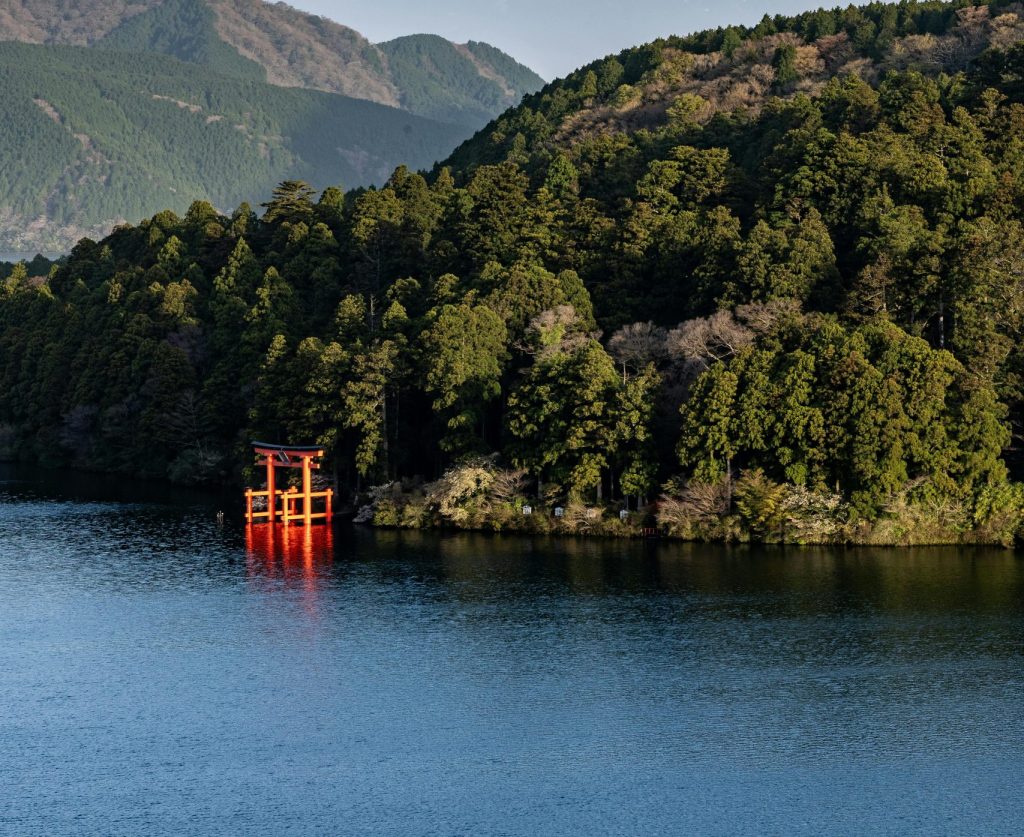
- Marked by a torii gate(鳥居)
- Dedicated to kami
- No statues of Buddha
- Focus on purification and prayer
Buddhist Temples(寺)
- Have Buddha statues
- Used for funerals and memorial services
- Often include incense and bells
📌 In Japan, Shinto and Buddhism coexist, and many people participate in both.
🙏 How to Visit a Shrine (Basic Etiquette)
Visiting a shrine is simple and welcoming—even for beginners.
① Bow at the torii gate
Shows respect before entering.
② Wash your hands at the water basin (手水舎)
- Rinse left hand
- Rinse right hand
- Rinse mouth (optional for visitors)
③ Pray at the main hall
- Toss a coin
- Bow twice
- Clap twice
- Make a wish or show gratitude
- Bow once more
No spoken prayer is required—silent intention is enough.
🎎 Shinto in Everyday Japanese Life
You don’t need to go to a shrine to see Shinto influence.
✔ New Year shrine visits(初詣)
Millions visit shrines for good luck.
✔ Festivals(祭り・まつり)
Local matsuri often honor a specific kami.
✔ Birth-related rituals
Babies are often taken to shrines for blessings.
✔ Lucky charms(お守り)
Sold at shrines for health, success, travel, and love.
✔ Language & customs
Concepts like purity, gratitude, and seasonal awareness reflect Shinto thinking.
🌸 Purity and Cleanliness in Shinto
One of Shinto’s key ideas is purification(清め).
Impurity is not “sin”—it’s something that naturally accumulates through stress, illness, or negativity.
That’s why:
- Hand washing is emphasized
- Ritual cleansing exists
- Cleanliness is culturally important
This mindset influenced Japan’s famous attention to cleanliness and order.
🧘 No Commandments or Afterlife Doctrine
Unlike many religions:
- Shinto has no heaven or hell
- No fixed moral code
- No required beliefs
Instead, it focuses on:
- Living sincerely
- Respecting others
- Staying in harmony with nature and society
Right action is guided by community norms, not divine punishment.
🌏 Shinto in Modern Japan
Today, the religion continues to play a quiet but powerful role.
Shrines as community centers
Cultural identity & tradition
Tourism and festivals
Seasonal celebrations
Blending naturally with modern life
Even weddings, groundbreaking ceremonies, and business openings often include Shinto rituals.
🎯 Summary: Why It Matters
Shinto helps explain:
- Japan’s respect for nature
- Seasonal awareness
- Cleanliness and ritual
- Festival culture
- Coexistence of religion and daily life
Understanding Shinto gives you deeper insight into how Japanese people think, celebrate, and connect with the world.
📘 Want to Learn More About Japanese Culture & History?
Start with our 4 free beginner lessons, where we explore Japanese language, customs, and cultural context step by step.

