
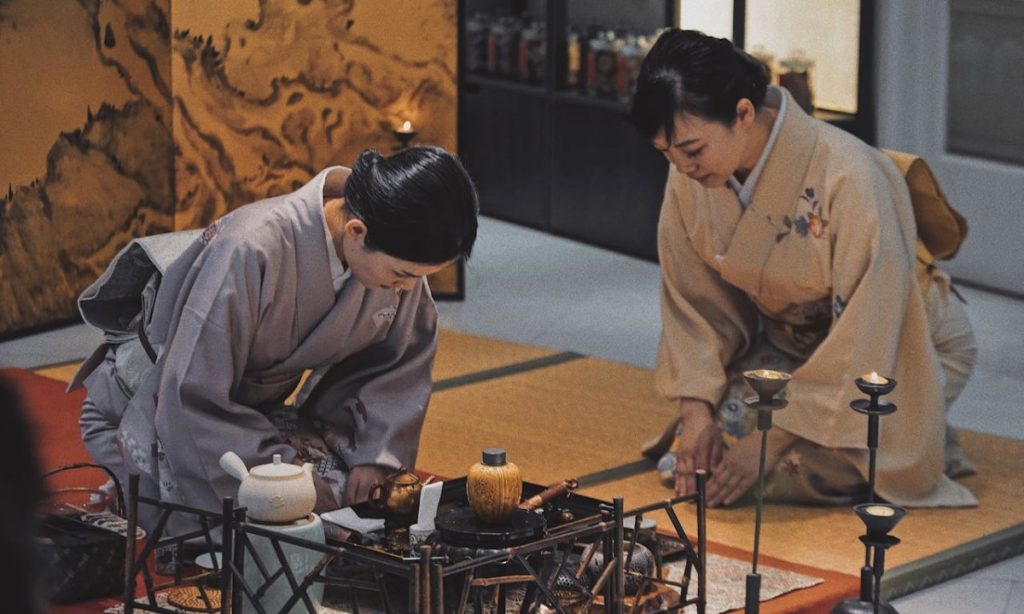
What is Omotenashi?
If you’ve ever traveled to Japan, you may have noticed how attentive, polite, and seamless the customer service is. Whether at a luxury hotel, a traditional ryokan, or a local convenience store, you’re likely to experience an extraordinary level of hospitality.
This is the essence of omotenashi (おもてなし)—Japan’s unique approach to hospitality that emphasizes selfless service, attention to detail, and anticipating guests’ needs before they even ask.
Unlike Western-style customer service, which often expects tips or extra payment, omotenashi is about genuine care, respect, and ensuring the best experience for others.
💡 Fun Fact: The word omotenashi comes from 表 (omote, “surface”) and 成し (nashi, “without”), meaning “hospitality without superficiality.”
In this guide, you’ll learn:
What omotenashi means and how it’s practiced in Japan
How omotenashi influences customer service and daily life
Examples of omotenashi in hotels, restaurants, and business
Key Japanese phrases to express hospitality
Let’s explore how omotenashi shapes Japanese culture and how you can apply it in your own interactions!
Step 1: The Core Principles of Omotenashi
Unlike customer service in many countries, omotenashi is built on deep cultural values.
The 3 Core Concepts of Omotenashi
Anticipating Needs Before They Arise (気配り・きくばり・Kikubari)
- Japanese hospitality focuses on reading the situation and providing service without being asked.
- Example: A staff member at a hotel might offer an umbrella before it rains, anticipating the guest’s needs.
Service Without Expecting a Reward (おもてなしの心・Omotenashi no Kokoro)
- Unlike Western tipping culture, hospitality in Japan is genuine and not done for extra payment.
- Example: Taxi drivers often refuse tips, believing that excellent service is simply part of their duty.
Attention to Detail (細部へのこだわり・さいぶへのこだわり・Saibu e no Kodawari)
- Small details matter, from the way a tea ceremony is conducted to the presentation of a meal.
- Example: At high-end sushi restaurants, chefs consider the temperature of the sushi before serving it, ensuring the best taste.
💡 TIP: When in Japan, showing appreciation for these details (like saying ありがとう, arigatou / thank you) enhances the omotenashi experience!
Step 2: Omotenashi in Everyday Japanese Life
Omotenashi is not just in luxury hotels—it’s everywhere in Japan. Here are some real-world examples:
1. Omotenashi in Customer Service
Japanese service is polite, efficient, and thoughtful.
- Department Stores: Staff personally escort customers to the exit.
- Convenience Stores: Cashiers hand you change with two hands and bow.
- Hotels & Ryokan: Staff prepare welcome tea and carry luggage to your room.
💡 Tip: Even in fast-food chains, you’ll hear いらっしゃいませ!(Irasshaimase!), a warm greeting meaning “Welcome!”
2. Omotenashi in Japanese Restaurants
Dining in Japan is a special experience, thanks to omotenashi.
- Presentation matters: Every dish is beautifully arranged.
- Hot towels: Before eating, guests receive a warm towel (おしぼり・oshibori) to clean their hands.
- Subtle service: Waiters won’t interrupt unless you make eye contact or call them (using “すみません!Sumimasen!“).
💡 Did You Know? Tipping in Japan is considered rude because excellent service is already expected!
3. Omotenashi in Business & Work Culture
Omotenashi is also a key part of Japanese business etiquette.
- Gift-giving: Exchanging small gifts (お土産・おみやげ・omiyage) is a sign of respect.
- Polite language: Business interactions use keigo (敬語・けいご), the most formal form of Japanese.
- Perfect packaging: Even a simple product will be wrapped beautifully, reflecting care and precision.
💡 Tip: If receiving a business card in Japan, accept it with both hands and examine it before putting it away!
Step 3: Key Japanese Phrases for Omotenashi
Want to show omotenashi in your own interactions? Use these polite Japanese phrases!
Essential Phrases for Hospitality
| Japanese | Romaji | Meaning | When to Use |
|---|---|---|---|
| いらっしゃいませ! | Irasshaimase! | Welcome! | Greeting customers |
| おもてなしの心 | Omotenashi no kokoro | The spirit of hospitality | Expressing Japanese hospitality |
| ごゆっくりどうぞ。 | Goyukkuri dōzo. | Please take your time. | Restaurants, shops |
| こちらへどうぞ。 | Kochira e dōzo. | This way, please. | Guiding guests |
| お気をつけて! | Oki o tsukete! | Take care! | Wishing someone well |
| またお越しください。 | Mata okoshi kudasai. | Please visit again. | Farewells in shops/restaurants |
💡 TIP: If someone provides you with exceptional service, say 「ありがとうございます!」(Arigatou gozaimasu!) with a smile—it goes a long way!
Final Study Challenge: Practice Omotenashi in Daily Life!
Task: Try adding a little omotenashi into your interactions!
Step 1: Use a polite phrase from this guide when shopping or dining.
Step 2: Observe how Japanese people offer hospitality—take notes!
Step 3: Try anticipating someone’s needs (e.g., offering a seat, holding a door).
💡 BONUS: Share a story where you experienced omotenashi in Japan in the comments below!
Conclusion: Bringing Omotenashi into Your Life
Omotenashi is more than just good customer service—it’s a deep cultural philosophy of kindness, anticipation, and respect. Whether in business, travel, or daily interactions, learning about omotenashi will help you:
✔ Understand Japanese culture more deeply.
✔ Appreciate the level of service in Japan.
✔ Practice politeness and hospitality in your own life.
Next Steps:
✔ Try using a Japanese hospitality phrase in real life!
✔ Observe how Japanese businesses practice omotenashi.
✔ Join our Japanese culture learning community for more insights!
What’s your favorite example of omotenashi in Japan? Share in the comments below!
Click here for more articles related to Japanese language.

