
Useful Words and Phrases for Traveling in Japan
Why Every Traveler Needs Japanese Travel Phrases
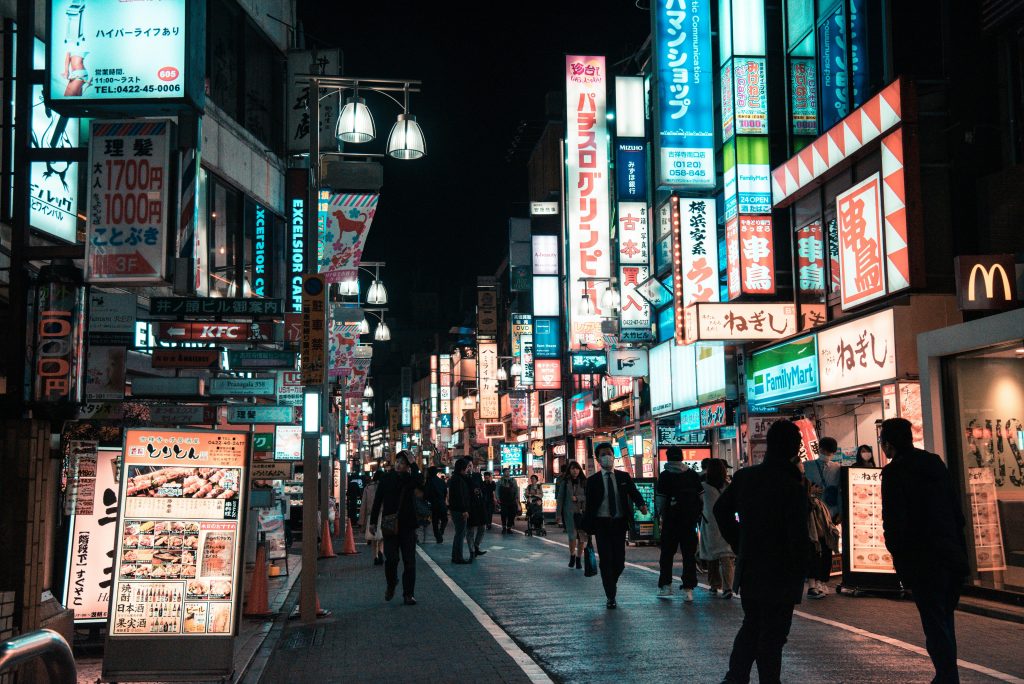
Picture yourself stepping off the plane in Tokyo, surrounded by the buzz of a new culture. Signs are in kanji, announcements are in Japanese, and you’re eager to explore—but suddenly, you realize you need to ask for directions, order food, or buy a train ticket. This is where knowing useful words and phrases for traveling in Japan transforms your trip from stressful to smooth and memorable. Even a handful of phrases can open doors, spark smiles, and help you connect with locals on a deeper level123.
Key Concepts: What Makes Japanese Travel Phrases Special?
- Politeness is Key: Japanese culture values respectful language, so even simple phrases are often wrapped in polite forms.
- Context Matters: Many words change meaning depending on the situation—knowing when and how to use them is as important as the words themselves.
- Nonverbal Cues: Bowing, gestures, and tone of voice all play a part in communication.
Essential Vocabulary & Phrases (with Kanji, Furigana, and Romaji)
Here’s your go-to list of useful words and phrases for traveling in Japan. Each entry includes kanji, furigana, romaji, English meaning, and a practical example.
| Japanese | Furigana | Romaji | English | Example & Usage Scenario |
|---|---|---|---|---|
| こんにちは | こんにちは | konnichiwa | Hello | こんにちは!(Hello!) – Used all day, especially from late morning. |
| おはようございます | おはようございます | ohayou gozaimasu | Good morning | 朝に: おはようございます!(Good morning!) |
| こんばんは | こんばんは | konbanwa | Good evening | 夜に: こんばんは!(Good evening!) |
| ありがとうございます | ありがとうございます | arigatou gozaimasu | Thank you | ありがとうございます!(Thank you very much!) |
| すみません | すみません | sumimasen | Excuse me / Sorry | 店で: すみません、メニューをください。(Excuse me, menu please.) |
| はい / いいえ | はい / いいえ | hai / iie | Yes / No | 店員: コーヒーですか? あなた: はい。(Staff: Coffee? You: Yes.) |
| わかりません | わかりません | wakarimasen | I don’t understand | わかりません。(I don’t understand.) |
| 英語を話せますか | えいごをはなせますか | eigo o hanasemasu ka | Can you speak English? | 英語を話せますか?(Can you speak English?) |
| トイレはどこですか | といれはどこですか | toire wa doko desu ka | Where is the bathroom? | トイレはどこですか?(Where is the bathroom?) |
| いくらですか | いくらですか | ikura desu ka | How much is it? | これはいくらですか?(How much is this?) |
| これをください | これをください | kore o kudasai | This, please | これをください。(This, please.) |
| ___はどこですか | ___はどこですか | ___ wa doko desu ka | Where is ___? | 駅はどこですか?(Where is the station?) |
| ___に行きたい | ___にいきたい | ___ ni ikitai | I want to go to ___ | 京都に行きたい。(I want to go to Kyoto.) |
| 切符 | きっぷ | kippu | Ticket | 切符をください。(A ticket, please.) |
| 地図 | ちず | chizu | Map | 地図を見せてください。(Please show me a map.) |
| タクシー | たくしー | takushii | Taxi | タクシーを呼んでください。(Please call a taxi.) |
| ホテル | ほてる | hoteru | Hotel | ホテルはどこですか?(Where is the hotel?) |
| メニュー | めにゅー | menyuu | Menu | メニューを見せてください。(Please show me the menu.) |
| 水 | みず | mizu | Water | 水をください。(Water, please.) |
| 大丈夫ですか | だいじょうぶですか | daijoubu desu ka | Are you okay? / Is it okay? | 大丈夫ですか?(Are you okay?) |
Cultural Context & Usage Scenarios
- Transportation: Use phrases like 駅はどこですか (Where is the station?) and 切符をください (A ticket, please) when navigating trains and buses124.
- Restaurants: これをください (This, please) and メニューを見せてください (Menu, please) are perfect for ordering food, especially if you’re unsure about reading the menu15.
- Shopping: いくらですか (How much is it?) and クレジットカードは使えますか (Can I use a credit card?) are essential for markets and stores4.
- Emergencies: すみません (Excuse me) and 助けてください (Help, please) can be used to get attention or ask for help.
Key Challenges & Considerations
- Reading Signs: Many signs are in Japanese. Learning basic kanji for places (駅 – station, 出口 – exit, 入口 – entrance, トイレ – toilet) is helpful23.
- Pronunciation: Japanese is phonetic, but some sounds may be tricky. Practice with audio resources or apps to build confidence67.
- Politeness: Err on the side of being too polite—Japanese society appreciates it!
- Regional Accents: Some dialects may sound different, but standard phrases will be understood everywhere.
Case Study: Real-World Success
Sarah, a first-time visitor to Japan, learned a handful of travel phrases before her trip. On her first day, she confidently asked, “駅はどこですか?” (Where is the station?), and a friendly local walked her to the platform. At a restaurant, she used “これをください” (This, please) to order a delicious meal. Even when she got lost, “すみません” (Excuse me) helped her get directions. By using basic Japanese, Sarah felt more connected and less like a tourist—and locals were delighted by her effort.
Practice Exercises
1. Fill in the Blank
Choose the correct word for each situation:
- You want to buy a ticket:
___をください。
(Options: 切符, 地図, 水)
Correct: 切符 (kippu) - You need help finding the bathroom:
トイレは___ですか?
(Options: いくら, どこ, いつ)
Correct: どこ (doko)
2. Matching
Match the Japanese phrase to its English meaning:
- いくらですか (ikura desu ka)
- すみません (sumimasen)
- 英語を話せますか (eigo o hanasemasu ka)
- ホテルはどこですか (hoteru wa doko desu ka)
a. Excuse me
b. How much is it?
c. Where is the hotel?
d. Can you speak English?
Answers: いくらですか-b, すみません-a, 英語を話せますか-d, ホテルはどこですか-c
Study Challenge: Take Action!
Action Step:
This week, pick five new travel phrases from the list and practice using them aloud. Try role-playing common travel scenarios—ordering food, asking for directions, or checking into a hotel. Bonus: Record yourself and compare your pronunciation with native speakers using language apps or YouTube videos.
Recommended Resources
- Apps: HeyJapan, Google Translate, Imiwa, Yomiwa, Tabimori (phrasebook app), Langlandia (travel vocabulary games)869.
- Phrasebooks: Lonely Planet Japanese Phrasebook & Dictionary10.
- Websites:
- Practice: Watch Japanese shows on Netflix with subtitles, or listen to Japanese music for real-world listening practice7.
Conclusion & Next Steps
Learning useful words and phrases for traveling in Japan empowers you to explore with confidence, connect with locals, and make the most of your journey. Start with the essentials, practice daily, and don’t be afraid to make mistakes—every effort is appreciated in Japan!
Ready to experience Japan like a local?
Contact our team for opportunities to visit, work, or live in Japan, and unlock the full adventure with your new language skills!

