
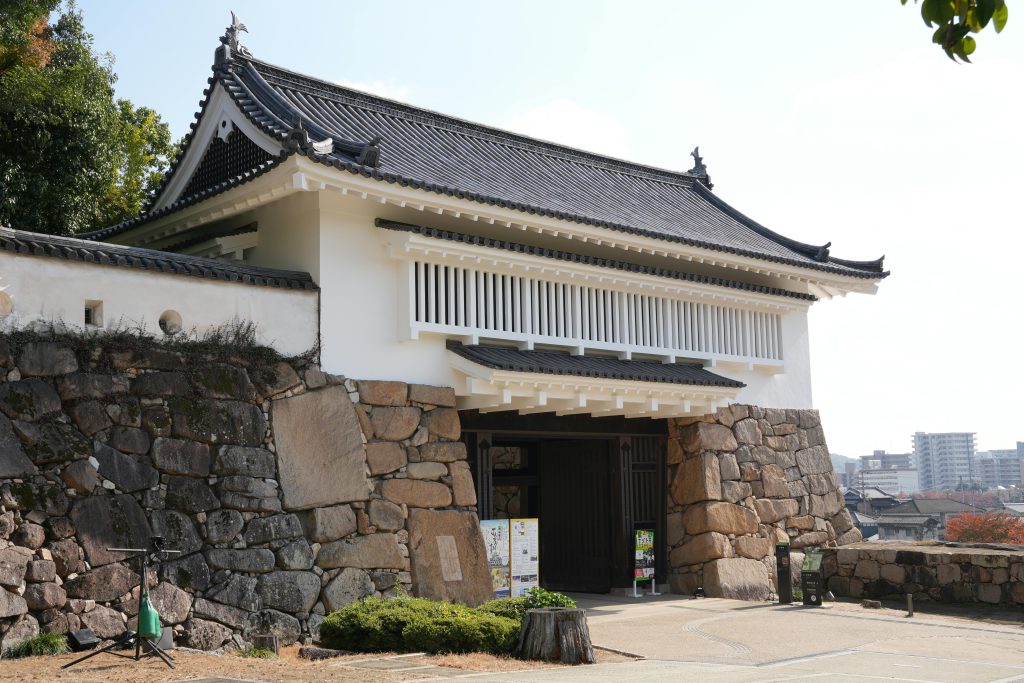
Introduction
Japanese architecture is famous for its simplicity, natural materials, and harmony with the environment. From ancient shrines and temples to modern homes and minimalist design, architecture in Japan reflects deep cultural values—balance, impermanence, and respect for nature.
For Japanese learners, architecture is also a great way to learn useful vocabulary you’ll see on signs, maps, museums, and travel guides.
This beginner-friendly guide explains:
- How Japanese architecture developed
- Key design principles
- Differences between traditional and modern styles
- Essential Japanese vocabulary related to buildings and spaces
🏯 A Short History of Japanese Architecture
🟤 Ancient Periods (Jōmon → Kofun)
Early Japanese structures were:
- Simple wooden buildings
- Raised-floor homes (to avoid moisture)
- Thatched roofs
Architecture was practical and closely tied to nature.
🟠 Asuka & Nara Periods (6th–8th century)
With the arrival of Buddhism, Japan adopted:
- Temple complexes
- Pagodas
- Tiled roofs
Strong influence came from China and Korea, introducing symmetry and monumental design.
🟡 Heian Period (794–1185)
Architecture became more uniquely Japanese:
- Aristocratic residences (shinden-zukuri)
- Open layouts
- Sliding doors and gardens
This period emphasized elegance, light, and seasonal beauty.
🟢 Edo Period (1603–1868)
During long peace:
- Townhouses (町家・まちや) developed
- Samurai residences became standardized
- Castles were refined
Wooden construction and modular design became widespread.
🔵 Modern Japan (1868–Present)
After the Meiji Restoration:
- Western architecture influenced public buildings
- Concrete and steel became common
- Modern Japanese architecture blended tradition with innovation
Today, Japan is famous for minimalist modern design rooted in traditional thinking.
🌿 Core Principles of Japanese Architecture
✔ Harmony with Nature
Buildings are designed to:
- Let in natural light
- Connect indoors and outdoors
- Adapt to seasons
Gardens are often considered part of the architecture.
✔ Natural Materials
Common materials include:
- Wood
- Paper
- Bamboo
- Stone
These materials age naturally, reflecting the idea of impermanence
✔ Simplicity & Space
Empty space is intentional, not wasted.
This concept is called:
- 間(ま) – meaningful space or pause
✔ Flexibility
Rooms often change function using:
- Sliding doors
- Portable furniture
🏠 Traditional Japanese House Features
畳(たたみ)— Tatami Mats
Straw mats used as flooring.
Rooms are often measured by how many tatami they have.
障子(しょうじ)— Shoji Screens
Paper sliding doors that diffuse light softly.
襖(ふすま)— Fusuma
Thicker sliding doors used to divide rooms縁側(えんがわ)— Engawa
A wooden corridor between inside and outside.
玄関(げんかん)— Entrance Area
Where shoes are removed before entering the home.
🏛️ Shrines vs. Temples: Architectural Differences
⛩️ Shinto Shrines
- Torii gates
- Natural wood
- Minimal decoration
- Focus on purity
🛕 Buddhist Temples
- Large roofs
- Statues
- Incense
- Pagodas
🧱 Modern Japanese Architecture
Modern Japanese architecture is known for:
- Clean lines
- Small, efficient spaces
- Innovative use of light
- Earthquake-resistant design
Many modern homes are:
- Compact
- Highly functional
- Designed around daily life rather than decoration
This reflects both urban density and traditional minimalism.
🧠 Key Japanese Architecture Vocabulary (Beginner-Friendly)
| Japanese | Reading | Meaning |
|---|---|---|
| 家 | いえ | House |
| 建物 | たてもの | Building |
| 部屋 | へや | Room |
| 屋根 | やね | Roof |
| 窓 | まど | Window |
| ドア | doa | Door |
| 床 | ゆか | Floor |
| 天井 | てんじょう | Ceiling |
| 壁 | かべ | Wall |
| 庭 | にわ | Garden |
| 入口 | いりぐち | Entrance |
| 出口 | でぐち | Exit |
These words appear everywhere—in apartments, stations, and signs.
🧩 How Architecture Reflects Japanese Culture
Japanese architecture shows:
- Respect for nature
- Adaptability and flexibility
- Preference for calm over excess
- Awareness of seasons and change
Understanding architecture helps explain:
- Why homes are minimalist
- Why space is used differently than in the West
- Why design prioritizes function and harmony
🎯 Summary
Japanese architecture is not just about buildings—it’s about how people live.
From tatami floors and sliding doors to modern minimalist homes, architecture reflects:
- Cultural values
- Historical change
- Language and vocabulary you see every day
Learning these basics deepens both your cultural understanding and Japanese reading ability.
📘 Want to Learn Japanese Through Culture?
Our 4 free beginner Japanese lessons combine language with real cultural context—perfect for learners planning to visit or live in Japan.

