
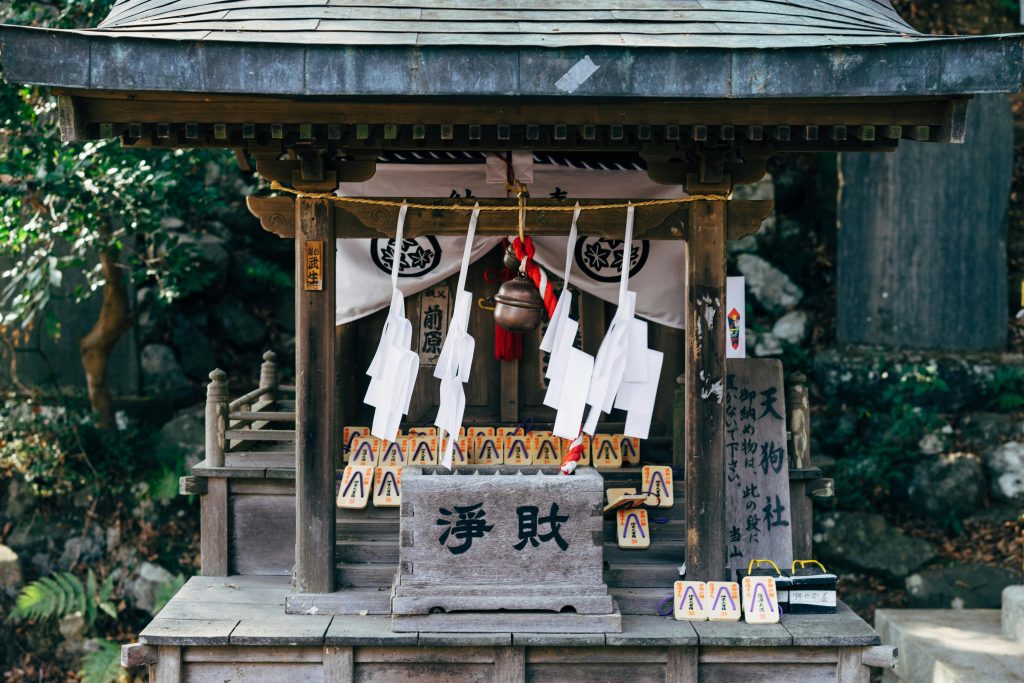
Introduction
One of the first questions visitors and Japanese learners ask is:
“How can I tell if this place is a shrine or a temple?”
Japan has both Shinto shrines and Buddhist temples, and while they may look similar at first, they serve different purposes, follow different traditions, and have clear visual clues—once you know what to look for.
This beginner-friendly guide explains:
-
The difference between shrines and temples
-
Visual signs to identify each instantly
-
What people use them for
-
How they fit into daily Japanese life
🧠 The One-Line Answer (Remember This)
-
Shrines = Shinto → life, nature, beginnings
-
Temples = Buddhism → death, reflection, afterlife
Everything else builds from this idea.
⛩️ What Is a Shinto Shrine?
🔹 Basic Idea
Shinto shrines are places that honor kami(神)—spirits connected to:
-
Nature
-
Places
-
Ancestors
-
Local protection
Shinto is Japan’s native belief system and focuses on purity, harmony, and daily life.
🔍 How to Recognize a Shrine Instantly
✔ Torii gate(鳥居) at the entrance
✔ Natural wood colors
✔ Open, outdoor spaces
✔ No Buddha statues
✔ Water purification basin (手水舎)
If you see a torii gate, it’s a shrine—100% of the time.
🙏 What People Use Shrines For
-
New Year visits (Hatsumōde)
-
Prayers for success, health, exams
-
Birth blessings
-
Seasonal festivals
📌 A Beginner’s Guide to Shinto
🛕 What Is a Buddhist Temple?
🔹 Basic Idea
Buddhist temples are places for:
-
Teaching Buddhism
-
Memorial services
-
Funerals
-
Reflection on life and impermanence
Buddhism arrived in Japan around the 6th century and became closely tied to death and the afterlife.
🔍 How to Recognize a Temple
✔ Buddha statues
✔ Incense burners
✔ Pagodas
✔ Large gates (no torii)
✔ Darker, enclosed atmosphere
If you see incense smoke or a Buddha statue, you’re at a temple.
🕯️ What People Use Temples For
-
Funerals
-
Ancestor memorials
-
Visiting family graves
-
Quiet prayer and reflection
📌 How Shinto and Buddhism Coexist in Japan
🔎 Side-by-Side Comparison (Simple Table)
| Feature | Shrine | Temple |
|---|---|---|
| Religion | Shinto | Buddhism |
| Gate | Torii | Large temple gate |
| Main figure | Kami | Buddha |
| Incense | ❌ No | ✅ Yes |
| Water basin | ✅ Yes | ❌ Usually no |
| Purpose | Life events | Death & memorials |
| Mood | Bright, open | Quiet, reflective |
👣 Etiquette Differences (Beginner Level)
⛩️ At a Shrine
1️⃣ Bow at the torii
2️⃣ Wash hands at basin
3️⃣ Toss coin
4️⃣ Bow twice, clap twice, bow once
🛕 At a Temple
1️⃣ Light incense (if available)
2️⃣ Pray silently
3️⃣ Bow once
No clapping at temples.
🏮 Why Shrines and Temples Are Sometimes Confusing
For centuries, Shinto and Buddhism were blended together in Japan.
-
Shrines and temples were often built side by side
-
Kami were seen as manifestations of Buddhas
-
Ordinary people didn’t separate them
Only in the Meiji era (1800s) were they formally separated.
📌 Ancient Japan: Jōmon, Yayoi, and Kofun
🌸 Which One Do Japanese People Use More?
Most people use both, depending on the situation.
Typical pattern:
-
Births → Shrine
-
Festivals → Shrine
-
Funerals → Temple
-
Ancestor remembrance → Temple
People don’t “choose a religion”—they participate naturally.
🧠 Key Vocabulary to Remember
| Japanese | Reading | Meaning |
|---|---|---|
| 神社 | じんじゃ | Shrine |
| 寺 | てら | Temple |
| 鳥居 | とりい | Torii gate |
| 神 | かみ | Spirit / deity |
| 仏 | ほとけ | Buddha |
| お参り | おまいり | Shrine/temple visit |
| お守り | おまもり | Amulet |
These words appear everywhere in travel and daily life.
🎯 Quick Memory Trick
-
Torii = Shrine
-
Buddha + incense = Temple
-
Life events = Shrine
-
Death & ancestors = Temple
That’s enough to get it right almost every time.
🧾 Final Takeaway
Shrines and temples aren’t competing religions—they’re complementary systems that together shape Japanese culture.
Understanding the difference helps you:
-
Travel with confidence
-
Respect local customs
-
Understand festivals and traditions
-
Learn culture alongside language
📘 Want to Learn Japanese Through Real Culture?
Our 4 free beginner Japanese lessons combine language with cultural context—perfect for learners who want to understand Japan, not just memorize words.
👉 Start your free lessons now!

