
Introduction
Many anime and manga stories feel unique—filled with spirits, strange creatures, mysterious worlds, and symbolic characters. That’s because modern Japanese pop culture didn’t appear from nowhere.
👉 Anime and manga are deeply rooted in Japanese folklore.
From yōkai and spirits to legends and moral tales, centuries-old folklore continues to shape:
-
Characters
-
Story themes
-
Visual design
-
Narrative structure
This beginner-friendly guide explains the Japanese folklore influence on anime and manga, and why understanding folklore helps you understand anime more deeply.
🧠 Why Folklore Matters in Japanese Pop Culture
Japanese folklore was traditionally used to:
-
Explain the unexplainable
-
Teach moral lessons
-
Personify nature
-
Entertain through fear and humor
Anime and manga inherited these same goals—just with modern settings and styles.
👹 Yōkai: The Foundation of Many Anime Creatures
Yōkai(妖怪) are supernatural beings from folklore—neither purely evil nor purely good.
Common yōkai traits:
-
Mischievous
-
Shape-shifting
-
Moral-testing
In Anime & Manga
Many anime monsters, spirits, and non-human characters are modern versions of yōkai:
-
Cute but dangerous creatures
-
Playful tricksters
-
Spirits that punish arrogance
Even when not named “yōkai,” the behavior patterns come directly from folklore.
📌 The Hidden History of Japanese Folklore: Yōkai, Spirits & Legends
🦊 Animal Archetypes
🦊 Kitsune (Fox Spirits)
Folklore traits:
-
Intelligence
-
Shape-shifting
-
Illusions
Anime influence:
-
Clever characters
-
Characters with hidden identities
-
Magical tricksters
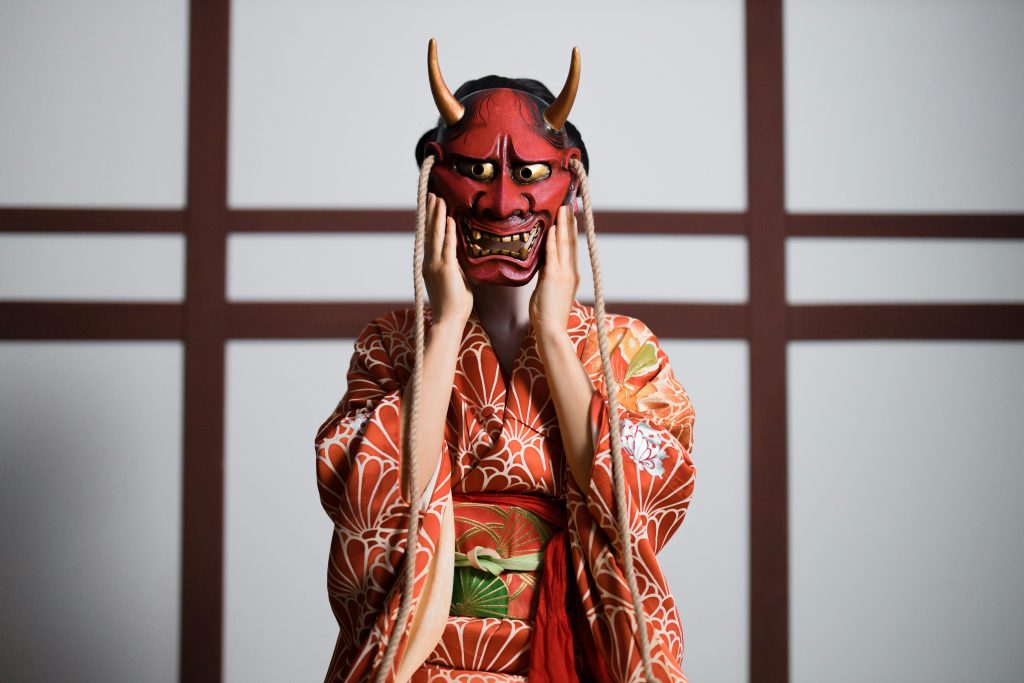
👹 Oni (Demons / Ogres)
Folklore traits:
-
Power
-
Punishment
-
Chaos
Anime influence:
-
Villains with tragic backstories
-
Characters representing inner darkness
🦝 Tanuki (Tricksters)
Folklore traits:
-
Humor
-
Deception without cruelty
Anime influence:
-
Comic relief characters
-
Lighthearted supernatural beings
These archetypes appear repeatedly across genres.
👻 Ghosts, Spirits, and Emotional Storytelling
Traditional yūrei(幽霊) stories focus on:
-
Regret
-
Unfinished emotions
-
Broken promises
Anime and manga use these themes to:
-
Explore grief
-
Address loss
-
Build emotional depth
Unlike Western horror, Japanese ghost stories often emphasize sadness over fear—a direct folklore influence.
🌿 Nature, Spirits, and Environmental Themes
In folklore, nature is alive:
-
Mountains have spirits
-
Rivers are protected
-
Trees are sacred
Anime frequently reflects this through:
-
Living landscapes
-
Spiritual forests
-
Environmental messages
This worldview comes from Shinto-influenced folklore, not modern fantasy.
📌 A Beginner’s Guide to Shinto
📜 Moral Lessons Without Clear “Good vs Evil”
Folklore rarely divides the world into heroes and villains.
Instead, stories teach:
-
Balance
-
Consequences
-
Personal responsibility
Anime inherited this structure:
-
Villains are sympathetic
-
Heroes make mistakes
-
Actions matter more than labels
This makes many anime stories feel emotionally complex.
🎨 Visual Style: Folklore → Ukiyo-e → Anime
Traditional art forms like ukiyo-e woodblock prints influenced:
-
Dramatic poses
-
Facial expressions
-
Stylized movement
Anime exaggeration—large eyes, expressive faces, dynamic motion—follows the same visual storytelling logic.
The medium changed, but the visual language stayed Japanese.
🧠 Why Folklore Makes Anime Easier to Understand
If you understand folklore, you’ll notice:
-
Why certain creatures behave oddly
-
Why indirect communication matters
-
Why silence and atmosphere are important
-
Why some endings feel ambiguous
Anime often assumes Japanese viewers already understand these cultural layers.
📌 Japanese Conversation Style: Indirect, Polite, Subtle
📺 Folklore in Modern Genres (Not Just Fantasy)
Folklore has influence on more than supernatural anime and manga:
-
Slice-of-life → seasonal awareness
-
Romance → fate and timing
-
Action → moral consequences
-
Horror → psychological fear
Even modern, realistic anime still carry folklore logic beneath the surface.
🧾 Key Folklore Vocabulary You’ll See in Anime
| Japanese | Reading | Meaning |
|---|---|---|
| 妖怪 | ようかい | Monster / spirit |
| 鬼 | おに | Demon |
| 狐 | きつね | Fox |
| 神 | かみ | Spirit / deity |
| 幽霊 | ゆうれい | Ghost |
| 呪い | のろい | Curse |
| 伝説 | でんせつ | Legend |
Recognizing these words improves anime comprehension instantly.
🎯 Final Takeaway
Anime and manga are modern—but their roots are ancient.
Japanese folklore:
-
Shaped characters
-
Defined storytelling patterns
-
Influenced visual style
-
Added emotional depth
When you understand folklore, anime becomes richer, clearer, and more meaningful.
📘 Want to Learn Japanese Through Culture, Not Just Grammar?
Our 4 free beginner Japanese lessons combine language + cultural context, helping you understand anime, stories, and daily life in Japan more naturally.

