
Why Social Media Can Supercharge Your Japanese Study
Let’s face it: textbook Japanese is only one piece of the puzzle. If you want to sound natural, understand trends, and keep up with modern Japan, social media is your secret weapon.
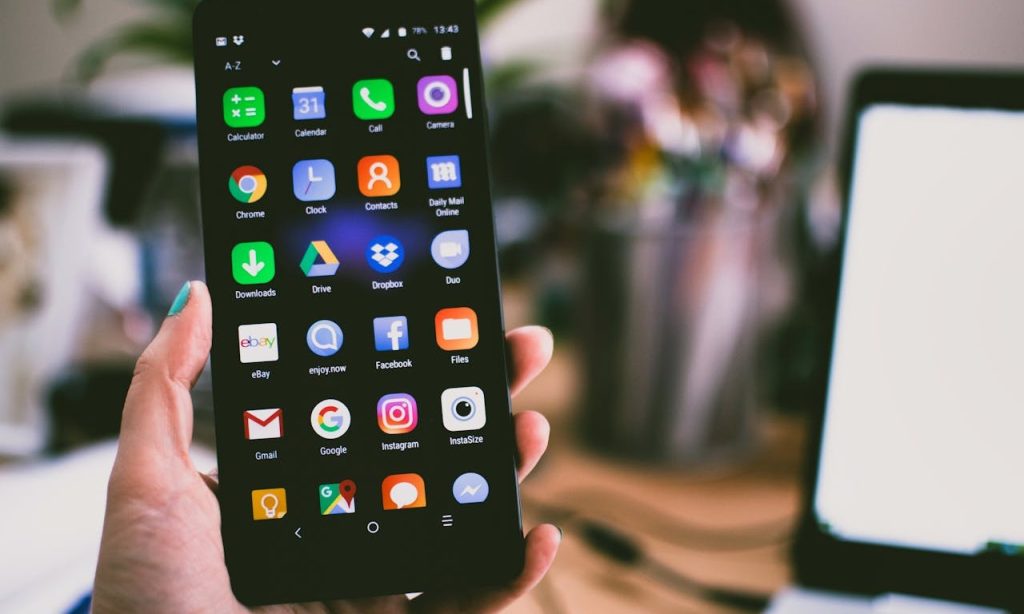
Whether you’re scrolling through X (formerly Twitter), watching YouTube shorts, or diving into Instagram stories, Japanese social media is packed with authentic, real-life language. From slang to sentence patterns, hashtags to humor—you’re learning how Japanese is actually used today.
Focus keyphrase in action: Learning how to use Japanese social media for language practice makes your daily scrolls into immersive study sessions filled with native input.
What Makes Japanese Social Media a Good Study Tool?
- Real Language: Learn how Japanese people really speak online
- Cultural Literacy: Understand memes, humor, values, and pop culture
- Micro Practice: Just 5–10 minutes a day can add up over time
- Repeat Exposure: Seeing the same phrases in different contexts boosts retention
Key Platforms to Explore
1. X (エックス / Twitter)
- Best for: Short-form opinions, breaking news, trending slang
- What to do: Follow Japanese users in your interest area (anime, fashion, gaming, etc.)
Example tweet:
今日はガチでやばい
Today is seriously crazy.
Vocabulary to note:
- ガチ – Slang for “seriously / for real”
- やばい – Can mean amazing, terrible, dangerous, or exciting depending on context
2. Instagram (インスタグラム)
- Best for: Hashtag hunting, photo captions, reels with captions
- What to do: Search hashtags like #勉強垢 (#studyaccount) or #日常 (#daily life)
Example caption:
スタバで勉強タイム #集中モード
Study time at Starbucks. #focusmode
3. YouTube (ユーチューブ)
- Best for: Spoken Japanese, subtitles, cultural context
- What to do: Subscribe to vloggers, language tutors, or street interview channels like Yuta Aoki or Ask Japanese
Vocabulary List
| Japanese | Kana | Romaji | Meaning |
|---|---|---|---|
| 拡散希望 | かくさんきぼう | kakusan kibō | Please share/retweet |
| 推し | おし | oshi | Your favorite (idol, character, etc.) |
| いいね | いいね | iine | Like (social media ‘like’) |
| 炎上 | えんじょう | enjō | Internet controversy |
| 自撮り | じどり | jidori | Selfie |
| タグる | たぐる | taguru | To tag someone or search with a tag |
| バズる | ばずる | bazuru | To go viral |
| フォローする | ふぉろーする | forō suru | To follow someone |
| アカウント | あかうんと | akaunto | Account |
| 既読 | きどく | kidoku | Seen/read (message status) |
Many of these words are loanwords or slang—making them easier to pick up but sometimes tricky in tone. Try commenting or posting with these to test your usage.
Practice Activities
Comment Practice
Leave a short comment on a Japanese post using common phrases:
- いい写真ですね!(Great photo!)
- 今日のコーデ最高です!(Today’s outfit is amazing!)
- これ、どこで買いましたか?(Where did you buy this?)
Listening + Reading Challenge
- Watch a Japanese YouTube short with auto-captions
- Pause after each line and try to write it down
- Check the meaning and rewatch to see how it’s used in tone/context
Challenges and Tips
- Tone Awareness: Japanese online communication can be indirect or humble. Avoid overly casual or harsh expressions when commenting.
- Slang Overload: Slang changes fast. Follow younger creators for fresh expressions, but also cross-check with dictionaries or tutors.
- Algorithm Bubble: Don’t just follow anime pages! Include news outlets, public figures, and educational creators to diversify your feed.
Case Study: Lucas and the “Oshi Life”
Lucas, an intermediate learner from Brazil, followed his favorite J-Pop group’s fan account and noticed terms like 推し変 (おしへん) and 現場 (げんば). After asking in the comments and doing some searching, he discovered a whole new vocabulary set used in fan culture. It made his reading more exciting and gave him real context to learn phrases he’d never find in a textbook.
Study Challenge: 7-Day Social Media Sprint
Day 1: Follow 3 Japanese creators or influencers in a topic you love
Day 2: Comment on one post using a Japanese phrase
Day 3: Write a short caption for your own photo in Japanese
Day 4: Screenshot 3 sentences and look up every word
Day 5: Watch 5 Japanese Instagram or YouTube stories with captions
Day 6: Post a story using one new word you learned
Day 7: Teach someone else what you’ve learned in Japanese
Conclusion & Call to Action
Japanese social media isn’t a distraction—it’s a digital classroom full of native content, casual language, and cultural fluency.
By using Japanese social media for language practice, you’ll pick up natural phrases, slang, and cultural references that boost your confidence and understanding—without ever opening a textbook.
Here’s what you can do next:
- Add 5 new words from this blog to your flashcards
- Change your app settings to Japanese
- Set a timer and scroll Japanese content for 10 minutes a day—on purpose!
- Join a study group or forum to share your favorite finds
Want to level up beyond social media? Our team(info@mynihongosensei.com) helps learners like you visit, study, and live in Japan. Contact us for cultural exchange programs, internships, or language immersion trips.
Disclaimer
This article is intended for educational purposes. Social media content changes rapidly and may contain informal or culturally sensitive expressions. Always double-check meanings and use respectful language when interacting online.
Click here for more articles related to Japanese grammar.

