
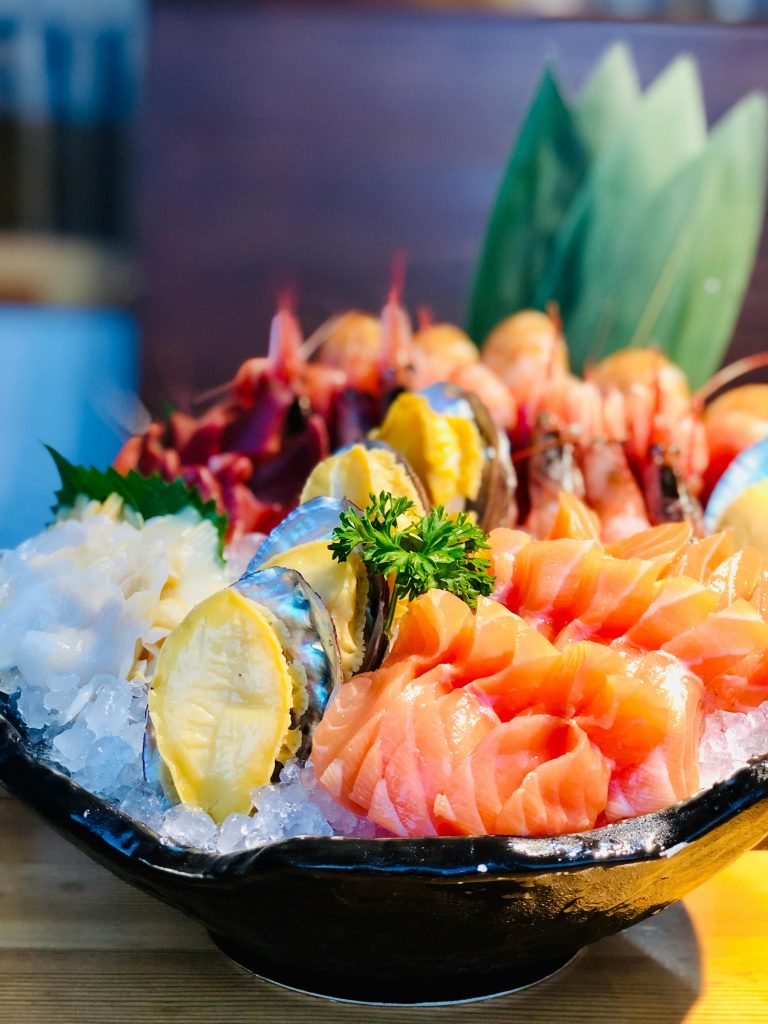
The Meaning Behind Japanese Seasonal Foods
Have you ever wondered why Japanese meals change so beautifully with the seasons?
In Japan, food is not just about taste—it reflects the rhythms of nature, local customs, and centuries of tradition. Understanding the meaning behind Japanese seasonal foods can elevate your Japanese studies, giving you deeper cultural fluency and richer vocabulary.
This blog post is your guide to understanding how the Japanese language and seasonal cuisine are deeply intertwined. Along the way, you’ll learn essential words, kanji, and cultural expressions that will help you speak, read, and think more like a local.
Why Seasonal Foods Matter in Japan
Japan’s four distinct seasons are celebrated not only through festivals and scenery but also through shun (旬・しゅん)—the peak season of any given food.
“Shun” represents a moment of harmony between nature, taste, and tradition.
Knowing the season of a food is considered a sign of refinement and intelligence in Japanese culture.
When you learn the names, meanings, and customs surrounding seasonal ingredients, you’re tapping into a living part of the Japanese language and mindset.
Vocabulary of the Seasons: Learn Through Taste
Let’s explore some of the key seasonal foods, organized by season, with vocabulary lists including kanji, furigana, romaji, and meanings.
Spring (春・はる・haru)
Spring in Japan celebrates renewal and delicate flavors.
| Japanese | Furigana | Romaji | Meaning |
|---|---|---|---|
| 筍 | たけのこ | takenoko | Bamboo shoots |
| 桜餅 | さくらもち | sakuramochi | Cherry blossom rice cake |
| 菜の花 | なのはな | nanohana | Rapeseed blossoms |
| いちご | – | ichigo | Strawberry |
| 山菜 | さんさい | sansai | Wild mountain vegetables |
Cultural Note:
“Haru no shun” (春の旬) is often light and cleansing. Eating takenoko gohan (bamboo shoot rice) in April is a cherished seasonal tradition.
Summer (夏・なつ・natsu)
Refreshing, hydrating foods dominate summer tables.
| Japanese | Furigana | Romaji | Meaning |
|---|---|---|---|
| とうもろこし | – | tōmorokoshi | Corn |
| 枝豆 | えだまめ | edamame | Soybean pods |
| 冷やし中華 | ひやしちゅうか | hiyashi chūka | Chilled ramen |
| すいか | – | suika | Watermelon |
| ところてん | – | tokoroten | Jelly made from seaweed agar |
Cultural Note:
Chilled dishes and foods with “cooling properties” help combat Japan’s humid summer. You’ll often hear, “夏バテ (なつバテ / natsubate)“—summer fatigue—especially when people lose their appetite.
Autumn (秋・あき・aki)
Known as 食欲の秋 (しょくよくのあき / shokuyoku no aki)—“Autumn of Appetite”—fall is rich in umami.
| Japanese | Furigana | Romaji | Meaning |
|---|---|---|---|
| 松茸 | まつたけ | matsutake | Pine mushroom |
| 栗ご飯 | くりごはん | kuri gohan | Chestnut rice |
| 秋刀魚 | さんま | sanma | Pacific saury (autumn fish) |
| 柿 | かき | kaki | Persimmon |
| さつまいも | – | satsumaimo | Sweet potato |
Cultural Note:
You’ll hear phrases like “さんまの塩焼き、最高!” (“Grilled sanma is the best!”) all over Japan during fall.
Winter (冬・ふゆ・fuyu)
Hearty, warming dishes dominate the cold months.
| Japanese | Furigana | Romaji | Meaning |
|---|---|---|---|
| おでん | – | oden | Winter stew with radish, eggs, tofu, etc. |
| 鍋料理 | なべりょうり | nabe ryōri | Hot pot dishes |
| みかん | – | mikan | Mandarin orange |
| 白菜 | はくさい | hakusai | Chinese cabbage |
| 鰤 | ぶり | buri | Yellowtail (winter fish) |
Cultural Note:
Sitting around a nabe pot is a cozy communal experience. The word “こたつ” (heated table) often accompanies winter meals.
Seasonal Language and Expressions
Japanese uses food idioms and expressions to talk about life, feelings, and even social values. Here are a few examples:
| Expression | Furigana | Romaji | Meaning |
|---|---|---|---|
| 旬を迎える | しゅんをむかえる | shun o mukaeru | To come into season |
| 食欲の秋 | しょくよくのあき | shokuyoku no aki | Appetite of autumn |
| こたつでみかん | – | kotatsu de mikan | “Mikan at the kotatsu” – a classic cozy winter image |
| 初物 | はつもの | hatsumono | First crop of the season |
| 季節感 | きせつかん | kisetsukan | Sense of the season |
Practice Exercise: Match the Season
Can you match the food to the correct season? Write your answers in Japanese or romaji!
- さんま
- すいか
- みかん
- たけのこ
Real Example: Kenta’s Learning Journey Through Food
Kenta, a university student from New Zealand, loved cooking but struggled with kanji. He started exploring seasonal recipes from NHK’s Japanese cooking site. Each season, he learned 5 new dishes and wrote out the ingredients by hand.
“By the end of one year,” he said, “I could read most menus and small talk about food with native speakers. Plus, I made amazing bento!”
Study Challenge: Seasonal Food Log
- Each week, pick one seasonal Japanese food.
- Learn how to write it in kanji + hiragana.
- Research a traditional dish using that food.
- Write 3 sentences about it in Japanese.
- Bonus: Try cooking or buying it if available in your country!
Recommended Resources
- NHK “今日の料理” (Today’s Cooking) – https://www.nhk.or.jp/kyouiro/
- Cookpad Japan (クックパッド) – https://cookpad.com
- Book: “Japanese Traditions: Rice, Seasons, Festivals” by Setsu Broderick
- YouTube: Kimono Mom’s seasonal home cooking channel
Final Takeaways
- Seasonal food is a lens into Japanese culture, values, and nature.
- Learning seasonal vocabulary enhances reading, speaking, and listening skills.
- Cooking and eating in rhythm with the seasons connects language to real life.
Call to Action
Ready to live, learn, and taste Japan season by season?
Our team offers immersive Japanese coaching, cultural experiences, and programs that bring language to life—through food, travel, and tradition.
Contact us now and start your journey toward deeper fluency and cultural connection.

